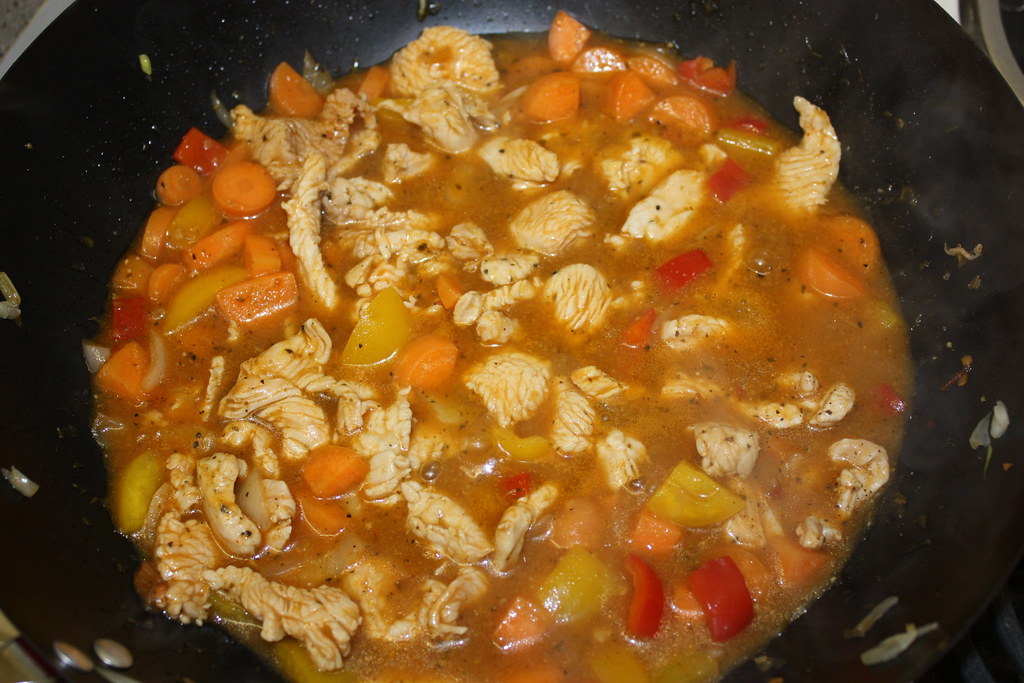
A great stir-fry is more than just fresh ingredients tossed into a hot pan. While perfectly cooked proteins and crisp vegetables are important, the sauce is what brings every component together. It adds depth, balances flavors, and transforms simple ingredients into a meal that tastes like it came from your favorite restaurant.
One of the biggest advantages of stir-fry cooking is its versatility. Whether you're using chicken, beef, shrimp, tofu, or a colorful mix of vegetables, the right sauce can completely change the personality of the dish. Sweet, savory, spicy, tangy, or umami-rich flavors all have their place, allowing you to create countless meal combinations without feeling repetitive.
Making homemade stir-fry sauces also gives you complete control over the ingredients. You can reduce sodium, adjust sweetness, add more spice, or experiment with fresh herbs and aromatics to match your family's preferences. With a few pantry staples like soy sauce, sesame oil, garlic, ginger, vinegar, and honey, you can create flavorful meals in minutes.
Learning which flavors complement different proteins helps elevate everyday dinners while keeping meal planning simple. Instead of relying on bottled sauces every week, you can customize each meal to suit the ingredients you already have available.
Once you understand the basic flavor profiles, creating your own stir fry sauce becomes one of the easiest ways to add variety to weeknight meals without making dinner preparation more complicated.
The Building Blocks of a Great Stir-Fry Sauce
Most successful stir-fry sauces include a balance of several key flavor elements.
Salty
Soy sauce, tamari, or coconut aminos provide the savory foundation that defines many Asian-inspired dishes.
Sweet
Honey, brown sugar, maple syrup, or hoisin sauce help balance salty ingredients while encouraging slight caramelization during cooking.
Acid
Rice vinegar, lime juice, or fresh citrus brightens the sauce and prevents it from tasting overly heavy.
Aromatics
Fresh garlic, ginger, shallots, and scallions add layers of flavor and create an inviting aroma.
Richness
Sesame oil, peanut oil, or a small amount of butter contributes richness and enhances the overall texture of the finished dish.
Heat
Red pepper flakes, sriracha, chili garlic sauce, or fresh chilies add complexity for those who enjoy spicy foods.
Best Sauce Pairings for Chicken
Chicken's mild flavor makes it one of the easiest proteins to pair with different sauces.
Honey Garlic Sauce
A mixture of honey, soy sauce, garlic, ginger, and sesame oil creates a glossy coating that's both sweet and savory. This combination pairs especially well with broccoli, carrots, and snap peas.
Lemon Ginger Sauce
Fresh lemon juice combined with ginger, garlic, soy sauce, and a touch of honey creates a lighter option that's perfect for spring vegetables.
Teriyaki-Inspired Sauce
Soy sauce, brown sugar, garlic, ginger, and a splash of mirin create a classic flavor that works beautifully with chicken and steamed rice.
Best Sauce Pairings for Beef
Beef has a richer flavor that pairs well with bold, savory sauces.
Black Pepper Garlic Sauce
Fresh cracked black pepper, garlic, soy sauce, oyster sauce, and a small amount of brown sugar produce a restaurant-style beef stir-fry.
Mongolian-Inspired Sauce
Brown sugar, soy sauce, garlic, ginger, and a touch of sesame oil create a sweet-savory glaze that's perfect for sliced beef and green onions.
Spicy Chili Sauce
Soy sauce, chili garlic paste, rice vinegar, garlic, and sesame oil create a bold combination for those who enjoy extra heat.
Best Sauce Pairings for Shrimp
Shrimp cooks quickly and absorbs flavor exceptionally well.
Garlic Butter Soy Sauce
Butter, garlic, soy sauce, lemon juice, and parsley create a rich yet fresh seafood pairing.
Sweet Chili Lime Sauce
Sweet chili sauce balanced with fresh lime juice and garlic gives shrimp a bright, slightly spicy finish.
Orange Ginger Sauce
Fresh orange juice, ginger, garlic, soy sauce, and honey produce a citrus-forward sauce that complements shrimp without overpowering it.
Best Sauce Pairings for Vegetables
Vegetables deserve just as much attention as proteins.
Sesame Ginger Sauce
Soy sauce, toasted sesame oil, ginger, garlic, and rice vinegar highlight fresh vegetables while keeping flavors balanced.
Peanut Sauce
Peanut butter, soy sauce, lime juice, garlic, honey, and warm water create a creamy sauce that pairs beautifully with broccoli, bell peppers, carrots, and mushrooms.
Garlic Herb Sauce
Olive oil, garlic, fresh herbs, lemon juice, and a touch of parmesan create a lighter option that complements roasted vegetables.
Quick Homemade All-Purpose Stir-Fry Sauce Recipe
If you're looking for one versatile recipe that works with nearly any protein or vegetable, this simple homemade sauce is an excellent starting point.
Ingredients
- ¼ cup low-sodium soy sauce
- 2 tablespoons honey
- 1 tablespoon sesame oil
- 2 cloves garlic, minced
- 1 teaspoon fresh grated ginger
- 1 tablespoon rice vinegar
- 1 tablespoon cornstarch
- 2 tablespoons water
Instructions
Step 1
In a small bowl, whisk together the soy sauce, honey, sesame oil, garlic, ginger, and rice vinegar.
Step 2
In a separate bowl, combine the cornstarch and water until smooth.
Step 3
Add both mixtures to a skillet after your protein and vegetables have nearly finished cooking.
Step 4
Stir continuously for 2 to 3 minutes until the sauce thickens and evenly coats every ingredient.
Step 5
Serve immediately over steamed rice, noodles, or cauliflower rice.
Tips for Better Stir-Fry Results
Even the best sauce benefits from proper cooking techniques.
- Prepare all ingredients before turning on the stove.
- Slice proteins into evenly sized pieces for consistent cooking.
- Cook proteins first, then vegetables.
- Avoid overcrowding the pan.
- Add the sauce during the final few minutes of cooking.
- Finish with sesame seeds, chopped green onions, or fresh cilantro for added flavor and presentation.
Mix and Match Your Favorite Flavors
One of the greatest advantages of homemade stir-fry cooking is flexibility. Once you become familiar with different flavor combinations, you can easily customize meals using whatever ingredients you have available.
Swap honey for maple syrup, replace soy sauce with coconut aminos, add fresh herbs, or increase the spice level to create meals that fit your personal tastes. Small adjustments can completely transform the finished dish while keeping the cooking process quick and approachable.
Final Thoughts
Creating delicious stir-fry meals doesn't require an extensive ingredient list or complicated cooking techniques. By understanding which sauce combinations pair best with chicken, beef, shrimp, and vegetables, you can prepare flavorful homemade dinners that rival restaurant favorites.
Whether you prefer sweet and savory, bold and spicy, or bright and citrusy flavors, having a few dependable sauce recipes in your cooking routine makes weeknight meals easier, more exciting, and endlessly customizable. With fresh ingredients and a little creativity, every stir-fry can become a satisfying meal packed with flavor.