German cuisine occupies a distinct place in the global gastronomic landscape, characterized by its robust flavors, historical depth, and a strong sense of regional identity. Unlike many culinary traditions that have been widely embraced and adapted across the United Kingdom, authentic German food remains relatively underrepresented. This absence is particularly striking when one considers the profound cultural, historical, and social influences embedded within each dish.
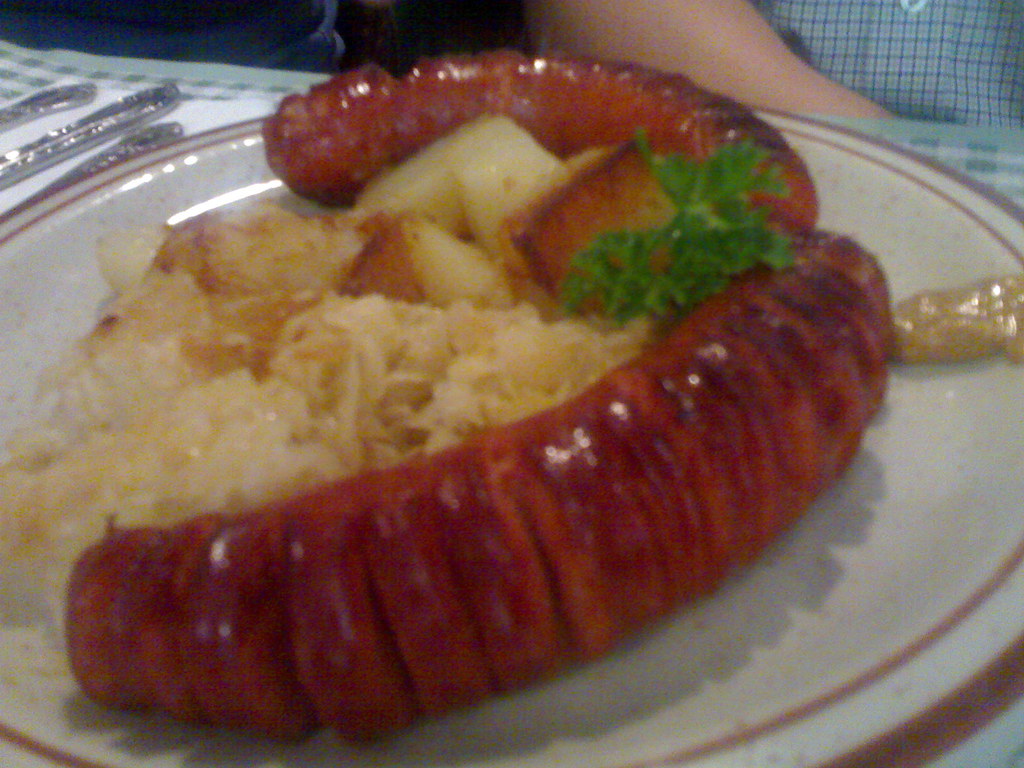
At its core, German cuisine is an embodiment of comfort and heritage. Dishes such as bratwurst, freshly baked pretzels, and sauerkraut are not merely sustenance; they are conduits for intergenerational knowledge and local tradition. The seemingly simple act of preparing or consuming these foods connects individuals to a larger narrative that stretches back centuries, encompassing periods of hardship, celebration, and transformation within German society.
The current landscape in the United Kingdom, however, reveals a growing curiosity and appreciation for these culinary experiences. This is evidenced by the increasing proliferation of specialty shops and delicatessens dedicated to the import and sale of German food products. Such outlets serve not only as commercial enterprises but as cultural ambassadors, fostering cross-cultural understanding and dialogue. For Germans living abroad, these establishments offer a tangible link to their homeland; for local British patrons, they provide an accessible gateway into a foreign yet inviting culinary tradition.
Why German Cuisine Deserves More Attention
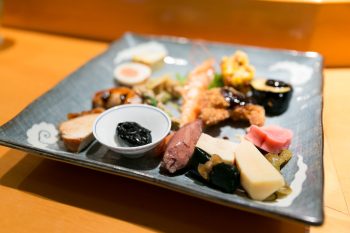
German cuisine is often unfairly caricatured as monolithic or overly heavy, a stereotype that belies its remarkable diversity and sophistication. In reality, German foodways are deeply regionalized. Bavaria’s culinary identity, for example, is distinguished by its iconic sausages, pretzels, and beers, each with local iterations and protected designations. The Rhineland, conversely, offers a repertoire of stews and potato-based dishes that draw on the area’s agricultural strengths. Northern Germany’s proximity to the Baltic Sea has historically encouraged the consumption of fish, rye breads, and an array of pickled vegetables, the latter of which reflects a legacy of trade and preservation techniques that predate modern refrigeration.
This regional variation is not incidental but essential to understanding the German approach to food. Each dish tells a story of adaptation to geography, climate, and historical circumstance. The practice of preservation – whether through pickling, fermenting, or curing – originated as a pragmatic response to environmental constraints but has persisted as a defining feature of German gastronomy. In this sense, German cuisine can be read as a living document, chronicling the interplay between people and their environment.
A further point of distinction lies in the communal nature of German meals. Whereas some European cuisines prize elaborate presentation and individual portions, German food is designed for conviviality and shared experience. Dishes are often served family-style, inviting participants to engage in both nourishment and social interaction. This aligns with broader cultural values surrounding hospitality, togetherness, and the importance of ritualized mealtimes.
The pursuit of authenticity in recreating German dishes at home is contingent upon access to specific ingredients. The unique qualities of German rye bread, for instance – its density, tang, and texture – are products of indigenous grains and the use of sourdough starters, both of which are difficult to replicate with generic substitutes. Similarly, the spice blends found in various types of sausage (such as bratwurst or knackwurst) are rooted in local butchery traditions, with subtle variations that reflect regional palates and historical preferences. Even condiments such as mustard are crafted using traditional stone-ground methods, yielding flavors that are both nuanced and evocative of place.
German Food Shops
A specialty German food shop in the UK thus functions as custodian of these traditions. They stock not only essential ingredients but also a wide array of ancillary products – pickled red cabbage, dumpling mixes, spaetzle, and sauces for schnitzel or goulash. The availability of ready-to-bake breads and frozen desserts further lowers the barrier to entry for those wishing to engage with German cuisine in their own kitchens. In effect, these shops serve as bridges between cultures, facilitating both the preservation of diasporic identity and the adoption of new culinary practices by host communities.
The sensory experience of visiting such a shop is itself significant. The sights and sounds – meticulously arranged shelves, the aroma of smoked meats, conversations conducted in German – contribute to a sense of immersion and authenticity. These spaces are not merely retail outlets; they are sites of cultural transmission, where food becomes a medium for memory, imagination, and social connection.
German Dishes
Interestingly, aspects of German cuisine have already permeated British culture, often without explicit acknowledgment. The presence of pretzels at markets, currywurst at festivals, and schnitzel on pub menus attests to the adaptability and appeal of German comfort food. Such dishes are characterized by their straightforward preparation and robust flavors, making them well-suited to the British palate and context.
Schnitzel, for example, has been embraced globally as an accessible yet satisfying meal: thinly pounded meat, coated in breadcrumbs, and fried to a crisp finish. Traditionally accompanied by lemon wedges and potato salad, schnitzel exemplifies the German balance of simplicity and depth of flavor. Bratwurst, too, has become a familiar feature at seasonal markets, its distinctive seasoning and serving style encapsulating the essence of German street food.
Desserts such as Black Forest cake occupy a special place within this culinary exchange. With its layers of chocolate sponge, whipped cream, and cherries, the cake is both celebratory and comforting, reflecting the German penchant for combining indulgence with a sense of home.
For those interested in culinary practice, German recipes offer a rewarding avenue for exploration. The techniques involved – slow cooking, marinating, fermenting – require patience and care but are generally accessible to cooks of varying skill levels. These processes enhance the complexity of flavors and reinforce the value placed on tradition and craftsmanship within German culinary culture.
In sum, German cuisine merits far greater recognition and appreciation than it currently receives in the United Kingdom. Its emphasis on heartiness, communal eating, and respect for regional variation offers a rich alternative to more widely celebrated European food traditions. The increasing availability of authentic products and the gradual integration of German dishes into the British culinary mainstream suggest a promising trajectory for further cultural exchange and gastronomic discovery.
Cooking German at Home
For those who enjoy cooking, German cuisine offers endless possibilities. It’s not overly technical, yet it rewards attention to detail and patience. Recipes often rely on slow cooking, marinating, or fermenting – techniques that enhance the depth of flavor and make simple ingredients shine.
Sauerkraut is a perfect example. Though widely available in jars, homemade versions take on a completely different character. With just cabbage, salt, and time, it transforms into something tangy, complex, and full of beneficial probiotics. The process reflects what German cooking stands for: resourcefulness and respect for natural processes.
Pair that with roasted pork, a creamy potato gratin, or even a slice of rye bread spread with butter and chives, and you have a meal that feels both rustic and refined.
Why Authentic Shops Matter
German supermarkets abroad play a vital role in keeping culinary traditions alive. They allow expats to reconnect with their heritage and offer everyone else a chance to experience something genuine – not a watered-down version adapted for mass appeal.
Shopping in these stores also helps preserve small European producers who might otherwise be overshadowed by global brands. Many importers work directly with family-run bakeries, dairies, and butchers, ensuring that the products remain true to their origins.
In a world where convenience often trumps authenticity, these shops remind people that good food is about more than just taste – it’s about culture, craftsmanship, and care.
A Growing Curiosity for European Flavors
British consumers are becoming increasingly adventurous with their food choices. The rise of European specialty stores reflects a larger movement toward exploring global cuisines while staying local. Shoppers who once stuck to familiar brands are now seeking out traditional recipes, imported sauces, and artisanal goods.
German food fits perfectly into this trend. It offers comfort, authenticity, and a sense of substance – qualities that appeal to those tired of over-processed options. Whether it’s a loaf of dense rye bread, a jar of pickles, or a slice of traditional cake, these products remind people of the joy of real, honest food.
Celebrating German Flavor in the UK
Germany’s culinary traditions have much in common with British tastes: both cultures value warmth, generosity, and the idea that food should bring people together. That shared spirit explains why authentic German dishes feel surprisingly at home in the UK.
For anyone who loves exploring food with a story behind it, visiting a German supermarket or deli is a simple but rewarding adventure. It’s a way to travel across borders without leaving the neighborhood – to experience a culture through the flavors that define it.
The next time the smell of grilled sausage drifts from a food stall or a golden pretzel catches the eye, remember that these aren’t just snacks. They’re small pieces of history – part of a culinary heritage that continues to thrive far beyond its homeland.