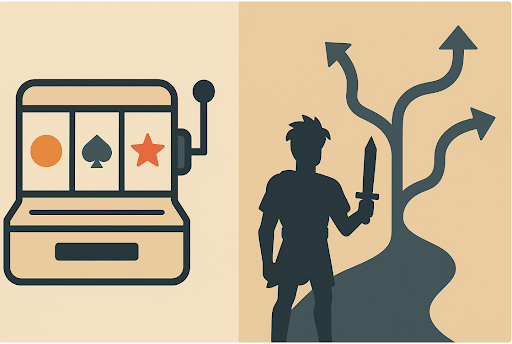
Random Number Generators — RNG for short — power both online pokie machines and roguelikes like Hades or Slay the Spire. Learn more at LuckyGreen and you’ll see that while the term is the same, the feel of that randomness is worlds apart. One is pure math, the other a design tool dressed up as chaos.
How RNG Works in Online pokies
Online pokies rely on algorithms built to simulate chance as closely as possible. Each spin is independent, untouched by what came before. That’s the key: you win or you don’t, and nothing about the last spin carries forward to the next.
Players often point to three big positives here: independence, speed, and fairness. Independence means the system doesn’t remember. Speed means the outcome is calculated instantly. Fairness comes from third-party labs stress-testing the numbers to confirm the odds. It’s math dressed up with graphics, but the math holds steady.
The independence angle is worth stressing. A pokie doesn’t get “hot” or “cold” no matter what players like to say. The software doesn’t care how many spins you’ve made, how much you’ve won, or how long you’ve been sitting at the game. Each spin is a sealed box — the odds are the same whether it’s your first or your thousandth. For many players, that cold detachment is exactly why they trust it. They know the only factor is chance, not manipulation. And when you’re playing at a reputable site like LuckyGreen, that trust is backed up by certification and transparency.
Randomness in Roguelikes: Hades and Slay the Spire
Roguelikes twist the idea. RNG here isn’t raw probability; it’s randomness framed inside design. Hades deals Zagreus unpredictable boons and enemy rooms, yet always keeps the run viable. Slay the Spire offers card rewards that shift depending on what you’ve already built.
This isn’t impartial math, and players wouldn’t want it to be. If every draw in Slay the Spire ignored your deck, the game would collapse under its own chaos. Instead, the RNG is tuned. The unpredictability makes each run feel different, but the safety rails keep you from feeling like the system is just out to get you.
That’s the subtle genius of roguelike randomness. It feels wild, but it’s engineered to stop short of hopelessness. Hades will tempt you with builds that are barely holding together, only to toss in a god boon that suddenly makes the run click. Slay the Spire sprinkles just enough synergy to reward risky strategies without guaranteeing success. The RNG isn’t there to simulate pure chance; it’s there to craft stories players tell afterward: the desperate runs that worked, the near misses, the absurd chains of luck that left you laughing. Chaos with intent, rather than chaos for its own sake.
Why Players Enjoy RNG in Different Ways
pokies appeal because the results are fast and final. There’s no arc, no buildup — just the hit of adrenaline every few seconds. Roguelikes stretch it out. The RNG works slowly, run after run, shaping dozens of micro-decisions into a story.
If you asked players why they stick with both, the answers tend to cluster:
- pokies deliver clean immediacy.
- Roguelikes deliver long-form tension.
Two versions of unpredictability, each scratching its own itch.
Where Online pokies Borrow from Roguelike Design
Modern pokies are not frozen in time. They’ve borrowed freely from video games. Bonus rounds play like mini-encounters. Cascading reels create chain reactions. Some themed pokies even unlock stages or progress as you play.
At LuckyGreen, this influence is obvious. The pokies lean into progression systems and thematic layers, not just static reels. RNG still drives the outcome, but the wrapper borrows enough from gaming that it feels like there’s a little story unfolding spin by spin.
The Psychology of Fairness in RNG
Fairness means very different things depending on context. In pokies, fairness is independence — no hidden adjustments, every spin a standalone event. In roguelikes, fairness is design-driven — randomness sculpted to feel tough without being hopeless.
The irony is that each space would reject the other’s system. If pokie RNG nudged results the way roguelikes do, players would call foul. If roguelikes ran RNG as coldly as pokies, players would rage-quit. The definition of fairness isn’t fixed; it bends to expectation.
Comparing Independence and Storytelling in Randomness
Randomness is a shared mechanic, but the way it’s presented changes everything. Online pokies lean toward independence: every spin a sealed event, unaffected by what came before or what comes next. That independence builds trust, because players know the outcome is pure math. Roguelikes, on the other hand, twist RNG into a narrative device. It isn’t about each decision existing in isolation — it’s about how small random outcomes weave together into a run that feels tense, sometimes cruel, and occasionally hilarious. The contrast highlights how two very different industries can use the same concept to trigger such different emotions.
Here’s how the two styles of RNG line up side by side:
| Feature | Online pokies (e.g., LuckyGreen) | Roguelikes (Hades, Slay the Spire) |
| RNG Type | Pure independence | Curated randomness with adjustments |
| Player Control | None — results stand alone | Some — choices interact with RNG |
| Fairness Defined | Neutral math | Balanced challenge |
| Experience Pace | Instant results, rapid cycles | Long runs, evolving tension |
| Design Goal | Trust through independence | Storytelling through chaos |
What’s striking in this comparison is how neither side could comfortably swap methods. pokie players would revolt if the RNG bent to create a “story,” reading it as manipulation instead of fairness. Roguelike players would grow frustrated if the system stayed brutally independent, serving up hopeless runs with no safety nets. Each approach has evolved for its audience. Online casinos need transparency; roguelikes need drama. And while the table looks like a clean split, the reality is more fluid — modern pokies have begun stealing a page from games, while roguelikes often borrow pacing tricks from casino design.
What RNG Teaches Us About Games and Casinos
What stands out is how each uses randomness to deliver something completely different. pokies lean on independence and purity. Roguelikes lean on storytelling and adjustment. Yet both have started borrowing from one another, blurring the edges.
It proves RNG isn’t one thing. It’s a flexible tool. In casinos, it’s about trust. In roguelikes, it’s about drama. Same mechanism, different intent. And depending on what you’re looking for — a quick hit or a long fight — both can be exactly what you want.
FAQs
Is RNG in online pokies really fair?
Yes. Certified casinos use third-party labs to test RNG systems by simulating millions of spins. The outcomes must match the published odds, proving the math is clean and unbiased.
Can RNG be predicted in pokies?
No. Each spin is independent and runs through the algorithm at high speed. There’s no pattern, no memory, and no way to “time” a win.
How is RNG different in games like Hades or Slay the Spire?
In roguelikes, randomness is guided. The game makes sure runs stay playable by adjusting the pool of rewards and challenges. It feels unpredictable, but it’s never truly out of control.
Why do players enjoy RNG in both pokies and roguelikes?
Because unpredictability triggers reward systems in the brain. pokies deliver instant adrenaline. Roguelikes stretch out tension over longer arcs. Different pace, same thrill.
Are modern pokies influenced by roguelikes?
Yes. Many online pokies now borrow progression systems, staged gameplay, or narrative themes inspired by video games. At LuckyGreen, you’ll find pokies that feel closer to interactive runs than static reels.