A patio that hums in May can become a parking-lot party by July—if you can keep pours cold and lines short. That’s where a purpose-built tap trailer earns its spot. It extends your bar to the curb without a remodel, absorbs surges tied to ballgames and concerts, and turns shoulder weeks into revenue instead of rain checks.
Pop-Up Patio to Parking Lot: Why a Tap Trailer Belongs in Your Seasonal Plan
Draft service on wheels compresses the order-to-sip timeline. There’s less choreography: no hauling ice, fewer shake-and-stir steps, and zero barstool congestion. When pours land in the ten-to-twelve-second range, a two-person crew—one running IDs and POS, one pouring—moves more guests per hour than an overwhelmed indoor well, and does it without cannibalizing regulars. That speed matters outdoors where dwell time is short and passersby decide with their eyes.
Footprint is the second edge. A compact trailer occupies a few parking spaces and returns them as seats, selfies, and incremental checks. You can stage it for lunch, pregame, and late-night windows, then stow it when weather dips. Unlike a permanent build, a tap trailer flexes with demand and lets you test dayparts, new beer programs, or NA lineups before you commit capital.
Permits, Power, and Public Safety: Getting the Green Light
Seasonal doesn’t mean casual. Start by confirming that your alcohol license covers temporary outdoor dispensing and whether a special-event permit is required for a sidewalk or parking-lane activation. Rules vary by city and state, but the framework is consistent: name a responsible manager, define the footprint, and lock service hours and ID checks in writing. For federal-level guidance on compliance at temporary events and alcohol handling basics, operators can consult the Alcohol and Tobacco Tax and Trade Bureau; aligning your plan with TTB fundamentals reduces surprises with local inspectors and simplifies staff training materials.
Power and safety come next. If refrigeration or lights run on a portable generator, plan for cord management, ground-fault protection, and carbon-monoxide awareness. OSHA’s guidance on portable generators outlines placement, ventilation, and load limits that keep teams and guests safe when the show runs long or the wind shifts (OSHA – Portable Generators). Pair that with a hand-wash station inside the bar footprint, a spill kit for beer and fuel, and a simple daily checklist that a named lead signs before gates open.
Don’t ignore the neighborhood. Post a clear service window, place trash within twenty feet of the pickup spot, and baffle generator noise so music and conversations win the sound battle. A tidy footprint becomes free marketing; when people can hear themselves and see the line moving, they join it.
Draft Quality on Wheels: Temperature, Lines, and Menu
Guests forgive a wait; they don’t forgive a warm pint. Hold beer between 34–38°F from keg to faucet, insulate lines, and keep runs short with gentle bends to prevent CO₂ breakout. Balance pressure to product: lagers and pilsners pour clean on straight CO₂, while long runs or nitro styles may need blend gas and flow-control faucets. Sanitize lines on a regular cadence and commit to an opening taste-and-temp check before the patio opens; catching drift early saves waste and keeps reviews kind.
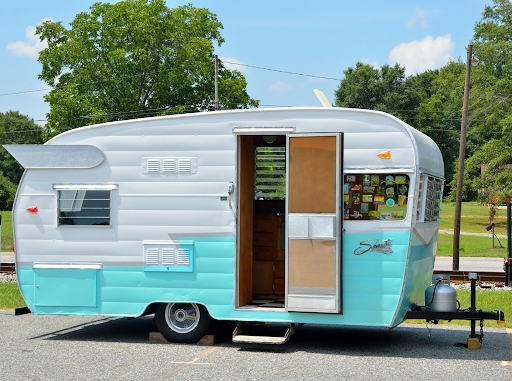
Menu strategy matters outdoors. Lead with crowd-pleasers and a single seasonal flex line so decisions happen before a guest reaches the window. Keep the NA list intentional—hop water, seltzer, or a quality NA beer—so non-drinkers buy something they’re excited to hold. If your concept leans rustic or coastal, a well-finished mobile beer trailer gives you tidy line routing, shaded keg storage, and weather-resistant cabinetry that photographs cleanly and reduces mid-shift fixes.
Staffing, Flow, and Payback: Make It Pencil Out
Treat the tap trailer like a satellite kitchen: clear roles, short paths, and a service cap. Put the menu and wristband check before the pour, send pickup to the side, and set trash where people naturally exit so cups don’t travel. A three-person rhythm—greeter/ID, cashier, pourer—keeps the line steady and lets you throttle orders when the queue grows. Train a draft lead to diagnose foam the same way every time: temperature first, pressure second, then line kinks and sun exposure. Consistency beats heroics.
Training and scripts protect the experience. Standardize the greeting, the ID check, and the refusal-of-service lines so nobody improvises under pressure. Keep glassware simple and consistent, rinse before pours, and rotate cleanup every thirty minutes so the counter always looks photo-ready. Lighting matters at dusk: warm, even LEDs on the service side flatter skin tones and make beverages pop in pictures, which nudges organic shares.
The numbers usually justify the tow. Assume an average check of twelve dollars, a ten-second pour cadence, and a sixty-minute pregame rush. Even allowing for payment, chit printing, and resets, that station can push 140–180 tickets in a peak hour. At a conservative thirty percent beverage margin after product and waste, one strong weekend can cover a meaningful slice of rental or financing. The bigger win is opportunity cost: you’re not shunting patio demand into an already packed bar, and you’re not turning away walk-ups because the interior is jammed.
Roll out in sprints. Start with weekends and event nights, then layer in brunches or weekday happy hours when weather and staffing cooperate. Move from two taps to four only when the team’s cadence and cooler capacity support it. Track hourly sales and product mix so you can right-size ice, water, and shade, and share a short after-action with the crew—what bogged down, what flew, and what to fix before the next one. Seasonal success is about rhythm and repeatability, not the sheer size of the trailer or the number of handles.
Conclusion: Make Seasonal Service Work Harder
From pop-up patio to parking lot, adding a tap trailer to seasonal service works when you lead with compliance, protect draft quality, and choreograph a simple, repeatable flow. Do that, and you’ll extend the bar without building one, serve more guests without burning out staff, and turn shoulder weeks into steady revenue. It’s a practical way to add capacity, keep pours cold, and make “Pop-Up Patio to Parking Lot” more than a catchy idea—it becomes a dependable part of your restaurant’s playbook.