Want to dominate the boba cup business?
The boba tea explosion is happening right now. With over 3,600 boba shops scattered across the United States, smart entrepreneurs are figuring out what customers actually crave.
Here’s the problem: Most boba business owners obsess over flavors and toppings but completely ignore the cup. Big mistake. The container holding the drink is just as crucial as what goes inside it.
Ignoring cup trends means missing out on massive opportunities to skyrocket sales and customer satisfaction.
What you’ll learn:
- Current Market Dynamics & Consumer Behavior
- Cup Size Preferences That Drive Sales
- Material Choices That Matter Most
- Future Trends Shaping the Industry
Current Market Dynamics & Consumer Behavior
The boba tea market is absolutely exploding right now.
The US bubble tea market hit $542.6 million in 2024 and is projected to nearly double to $1 billion by 2031. That’s a 7.42% annual growth rate with zero signs of slowing down.
But here’s what’s really interesting…
Consumer behavior around boba cups is shifting fast. People aren’t just buying a drink anymore – they’re buying an experience. The cup is a huge part of that experience, and the smartest business owners are catching on.
Young consumers especially care about how their drink looks, feels, and photographs. Instagram-worthy presentations matter more than ever. When customers post photos of their boba, the cup becomes free advertising.
The data backs this up perfectly.
94% of people in their twenties have bought boba tea in the past three months. These aren’t casual customers – they’re repeat buyers who know exactly what they want.
And what they want is changing everything about how we think about boba cups.
Cup Size Preferences That Drive Sales
Here’s where most boba shop owners mess up…
They think bigger is always better. Customer data tells a completely different story.
The most popular sizes are 16 oz and 24 oz cups. These aren’t random numbers – they’re based on real consumer behavior and drinking patterns.
Here’s why the 16 oz cup works so well:
It hits the sweet spot for most boba drinkers. Big enough to feel substantial but not so large that customers feel overwhelmed. This size works perfectly for the “quick treat” mentality that drives most boba purchases.
Plus, 16 oz cups are easier to hold, fit in car cup holders, and don’t need as much storage space. When you choose from different boba cup sizes, the 16 oz option consistently performs best for walk-in customers.
The 24 oz strategy:
Larger 24 oz cups appeal to customers who want value or plan to share. These work great for premium pricing strategies because customers perceive more value even though margins stay healthy.
But here’s the key insight most people miss…
Size preferences vary dramatically by location and demographic. Urban areas with young professionals prefer smaller, portable sizes. Suburban locations with families do better with larger options.
The surprising truth:
Some successful shops are actually going smaller. 12 oz cups are gaining popularity for premium, artisanal positioning. Customers associate smaller sizes with higher quality and are willing to pay more per ounce.
Material Choices That Matter Most
This is where the boba cup business gets really interesting.
Material choice isn’t just about cost – it’s about customer experience, brand positioning, and environmental impact. Getting this wrong can kill a business faster than bad flavors.
The plastic cup reality:
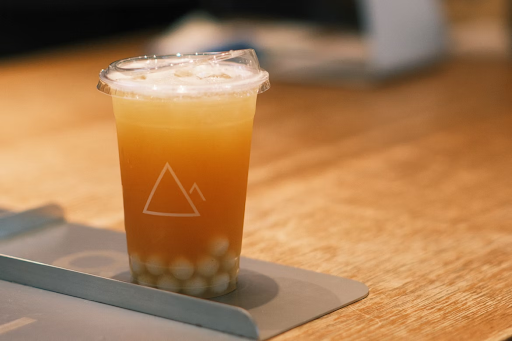
Clear plastic cups still dominate the market, and there’s a good reason for that. Customers want to see their drink. The visual appeal of colorful layers, floating toppings, and tapioca pearls is half the product.
PP (polypropylene) and PET (polyethylene terephthalate) are the most common materials. PP cups are cheaper and more durable, while PET cups are clearer and more visually appealing.
The sustainability shift:
Environmental consciousness is driving demand for eco-friendly options, but performance still matters most. Compostable cups made from sugarcane, cornstarch, or bamboo fiber are gaining traction. But they cost more and don’t always perform as well as traditional plastic.
Paper cup problems:
Paper cups seem like an obvious eco-friendly choice, but they have serious problems with boba drinks. The wide straws required for tapioca pearls don’t work well with paper cups, and hot drinks can cause structural issues.
The reusable trend:
85% of bubble tea drinkers prefer buying drinks in person at shops, which creates opportunities for reusable cup programs.
Some forward-thinking shops are partnering with customers who bring their own cups. This creates loyalty and reduces costs, but requires operational changes.
Future Trends Shaping the Industry
The boba cup landscape is changing faster than most people realize.
Technology integration:
Smart cups with temperature indicators, NFC chips for loyalty programs, and LED lighting are being tested. These might seem gimmicky, but they’re capturing attention and creating social media buzz.
Customization explosion:
Customers want personalized experiences. Some shops are offering custom cup printing, color choices, and texture options. This trend is just getting started.
Sealing innovation:
Traditional plastic film sealing is being challenged by biodegradable films, self-sealing cups, and magnetic lid systems.
Size diversification:
The standard 16 oz and 24 oz options are expanding. Mini cups for sampling, jumbo sizes for sharing, and specialized shapes for specific drinks are becoming more common.
Regional adaptation:
Different markets want different things. Asian markets prefer smaller, traditional sizes. Western markets favor larger, Instagram-friendly presentations.
Premium positioning:
Higher-end boba shops are using cup choice as differentiation. Heavier materials, unique shapes, and luxury finishes justify premium pricing.
Current Challenges & Solutions
Running a successful boba cup business isn’t easy.
Material costs are rising, especially for eco-friendly options. Supply chains remain fragile, and environmental regulations are forcing rapid adaptation.
The solution? Diversify suppliers, maintain quality standards, and prepare for sustainability requirements early.
Making Smart Business Decisions
Here’s what successful boba entrepreneurs actually do…
Know your demographics: Understanding specific demographics is more important than following general trends. College students want different things than suburban families.
Test first: Test small quantities before making large purchases. Customer feedback is more valuable than supplier promises.
Balance cost and experience: The cheapest option isn’t always the best business decision when you factor in brand image and repeat business.
Plan ahead: Plan for environmental regulations now. Building sustainable practices saves money and headaches later.
Differentiate: In a crowded market, unique cup choices can set you apart. Consider custom options, unusual sizes, or innovative materials.
Taking Action
The boba cup market is moving fast, and opportunities won’t last forever.
What works right now:
Clear plastic cups in 16 oz and 24 oz sizes with dome lids remain the gold standard. They’re cost-effective, functional, and customers are familiar with them.
What’s coming next:
Sustainable materials, customization options, and technology integration are the future. Start experimenting now to stay ahead.
What to avoid:
Don’t compromise on quality to save costs. Bad cups create bad experiences, and bad experiences kill businesses.
The boba cup business is about more than containers – it’s about creating experiences that customers love and share. Get this right, and everything else becomes easier.
Wrapping It Up
Understanding boba cup trends isn’t just about following fashion – it’s about building a sustainable, profitable business.
The data is clear: customers care about their cup choice, and that care translates into sales. Whether starting a new shop or optimizing an existing one, cup selection deserves serious attention.
The businesses that succeed long-term understand their customers, adapt to changing preferences, and make smart decisions about materials, sizes, and sustainability.
Don’t just sell drinks – create experiences that customers want to repeat and share. Cup choice is a big part of making that happen.