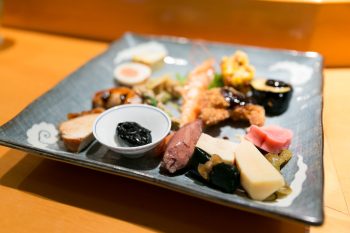
The culinary world is evolving faster than ever, blending innovation with tradition in unexpected ways. Diners in 2025 seek more than just a meal—they crave immersive, personalised, and sustainable experiences that challenge conventional restaurant norms. From AI-driven flavour pairings to zero-waste kitchens, this year’s trends reflect a deeper cultural shift toward conscious consumption and culinary creativity. For those eager to explore these innovations firsthand, the Lucky Hills website offers a glimpse into how modern venues are embracing change.
Key Dining Trends Shaping 2025
Several transformative forces are redefining how we dine out and even cook at home. Technology, sustainability, and well-being sit at the heart of this culinary revolution. Chefs and restaurateurs are responding with bold ideas that merge science, art, and ethics. Here are the standout statistics shaping the future of food:
– 72% of fine dining restaurants now use AI to create personalised tasting menus
– Over 55% of new restaurant openings in 2024 featured closed-loop waste systems
– Consumer demand for hyper-local ingredients grew by 63% in the past two years
– 48% of diners under 40 prefer restaurants with digital immersive dining elements
– Sales of upcycled food products increased by 89% between 2022 and 2024
Will Your Next Meal Be Designed by AI?
Artificial intelligence now plays a key role in menu development and flavour innovation. Chefs input regional ingredients, cultural preferences, and nutritional data into custom algorithms. The system suggests unique pairings like saffron-infused kangaroo or miso-glazed persimmon. These aren’t random combinations—they’re backed by deep analysis of global culinary patterns. Some restaurants even offer real-time personalised dish adjustments based on patron feedback collected via tablet. This tech-forward approach reduces food waste and elevates creativity.
Are Zero-Waste Kitchens the New Standard?
Sustainability is no longer a niche concept—it’s a operational necessity. Leading restaurants now repurpose everything from vegetable peels to coffee grounds. Broths are made from trimmings, citrus skins become bitter aromatics, and leftover bread turns into fermentation starters. Many venues operate with under 5% food waste, a dramatic shift from a decade ago. Composting and biogas systems handle the rest. Diners appreciate the ethical stance, and chefs enjoy the creative challenge. This trend extends to packaging, with reusable containers becoming commonplace for takeaways.
Why Are Diners Choosing Edible Narratives?
Storytelling through food has reached new heights. Menus now often follow a thematic arc, drawing inspiration from history, literature, or personal chef journeys. A single meal might evoke a coastal storm through sound, scent, and plate composition. Courses are sequenced to build emotional resonance, not just satiate hunger. Patrons leave not just fed, but moved. This trend blends culinary skill with theatrical presentation, offering a memorable alternative to traditional dining. It turns dinner into an event, appealing to those seeking meaningful experiences over convenience.
Is Hyper-Local the New Organic?
The farm-to-table movement has evolved into hyper-locality. Restaurants now source over 80% of ingredients from within a 50-kilometre radius. Some even maintain rooftop gardens or partner with urban farms. This ensures extreme freshness, reduces carbon footprints, and supports regional producers. Menus change daily based on harvest availability, encouraging culinary spontaneity. Diners enjoy transparency and a genuine connection to their food’s origin. This approach also reintroduces forgotten native ingredients, preserving biodiversity and cultural heritage through conscious consumption.
The dining landscape of 2025 is vibrant, thoughtful, and thrillingly unpredictable. Technology, ecology, and creativity merge to form experiences that nourish both body and imagination. Whether through AI-crafted dishes or waste-free kitchens, these trends highlight a collective move toward more intentional eating. The next time you dine out, expect more than a meal—expect a story, a statement, and a step into the future of food.