When you taste authentic Yucatecan food, you’re experiencing centuries of cultural layering on a plate. But if you could identify a single element that ties it all together, it would be recado. These aromatic spice pastes are far more than convenient seasonings. They are ancient recipes, connecting modern diners to rituals, colonial encounters, and the ingenuity of a region that learned to transform what it had into something irreplaceable.
The remarkable thing about recado is not just that it has survived for centuries, but that it has remained utterly central to home cooking and professional kitchens alike. In a world of globalized food trends, recado stands as a testament to how deeply rooted traditions can be when they’re woven into the fabric of daily life.
The Maya Foundation
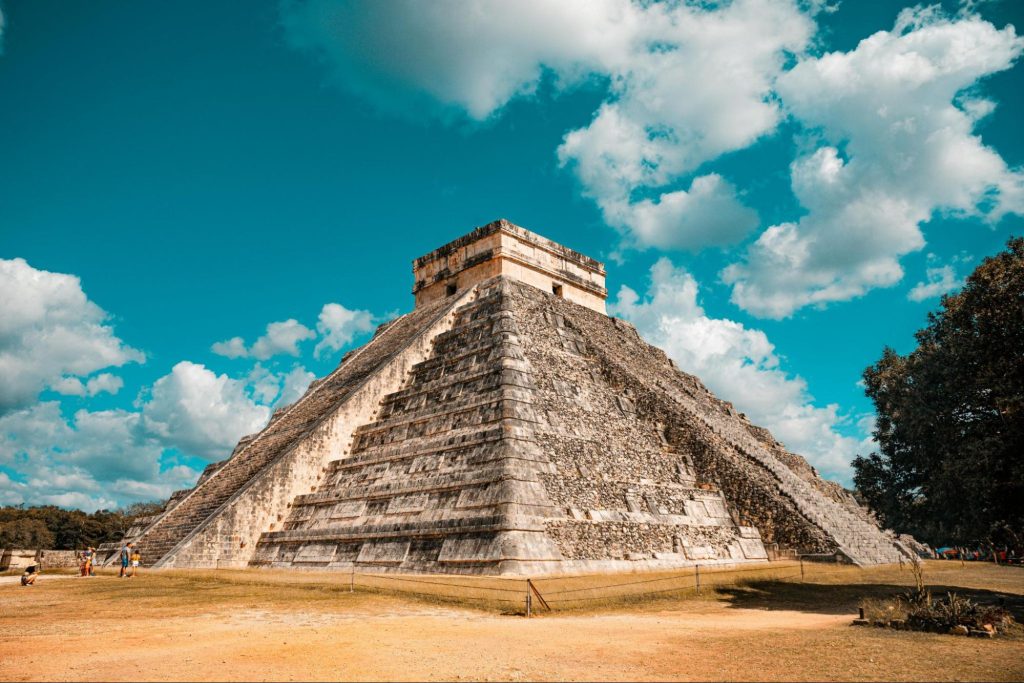
The story of recado begins long before the Spanish galleons arrived on Mexican shores. The ancient Maya understood something fundamental about cooking: concentrated flavor could carry culture, economy, and identity all at once.
For generations, Maya cooks developed their culinary techniques around what their landscape provided. Dried chili peppers became the backbone of their flavor-building arsenal. By grinding and combining these peppers with other locally available elements, the Maya created pastes that transformed simple proteins and vegetables into dishes worthy of ceremony.
What made this approach genius was its practicality married to sophistication. A paste could be prepared during times of abundance and kept for later use. It could travel with hunters and farmers. It could be adapted to whatever protein or vegetable needed seasoning. The Maya had invented a template for flavor that would endure across centuries.
The Spanish Encounter
The arrival of Spanish conquistadors in the 16th century triggered one of history’s most significant culinary fusions. The Spanish brought with them an entirely different spice tradition, one shaped by Mediterranean trade routes and Old World gardens. Cloves, black pepper, cinnamon, and garlic began arriving in quantities that would have been unimaginable in pre-Hispanic Yucatán.
What followed was not simply replacement but synthesis. Indigenous cooks, many of whom had survived the conquest and maintained their culinary knowledge, began incorporating these Spanish spices into their traditional pastes. The result was something neither fully Mayan nor fully Spanish, but authentically Yucatecan.
Over generations, the recados that emerged from this fusion became more sophisticated and complex than either tradition could have produced alone, proving that cultural mixing, when done through genuine exchange rather than erasure, can create something greater than its parts.
Recados Across the Peninsula
One might assume that “recado” refers to a single recipe, passed down unchanged. The reality is far richer. The Yucatán has developed multiple recado varieties, each with distinct characteristics and purposes.
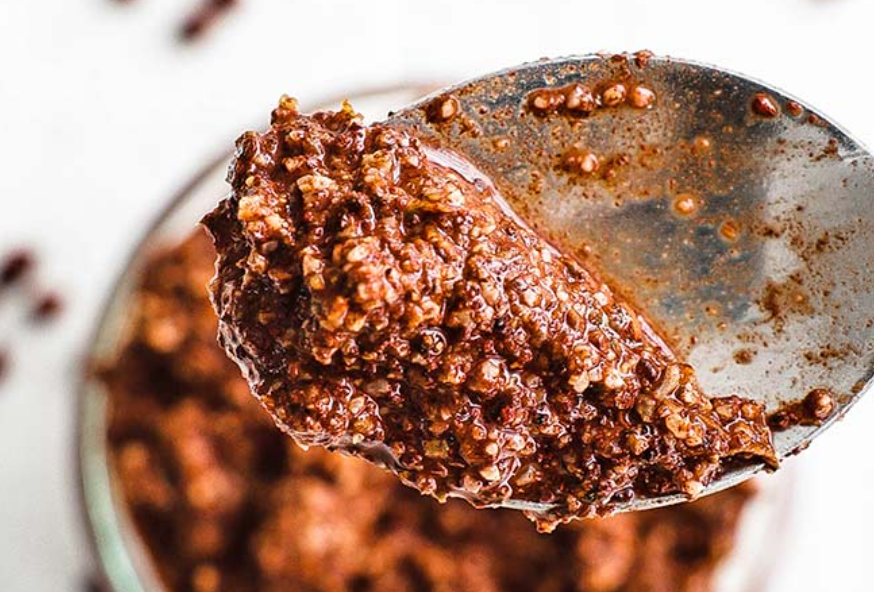
Recado Rojo, the most famous and widely recognized, gets its brilliant red-orange hue from a high concentration of achiote (annatto) seeds. This is the recado that transforms cochinita pibil, the region’s signature slow-roasted pork dish, into something unforgettable. Its warmth and earthiness define countless family meals and restaurant centerpieces throughout the peninsula. If you want to try it out, here’s an easy achiote paste recipe.
Recado Negro, the black variety, represents a different philosophy entirely. Created with fire-roasted or charred chiles, black pepper, and Old World spices like cloves and cinnamon, this paste carries a lot of intensity. It’s the backbone of Relleno Negro, where its smoky depth melds with complex broths.
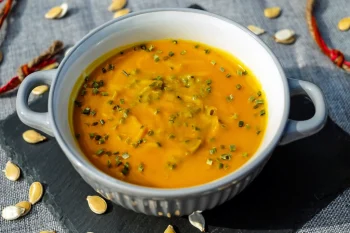
Beyond these two, Recado Verde (green) draws its color and fresh character from pumpkin seeds, while Recado Blanco (white) offers a milder option combining castile pepper, garlic, cumin, clove, and coriander.
Keeping Fire Alive in a Modern Kitchen
Today, recado remains irreplaceable in Yucatecan cooking, whether prepared from scratch in home kitchens or sourced from regional markets by busy cooks working with limited time. The paste format itself (concentrated, portable, and long-lasting) gives recado an advantage in a modern world where convenience matters.
Yet what’s perhaps most striking is that globalization hasn’t diminished recado’s importance. If anything, growing interest in authentic regional cuisine has only reinforced its status. Cooks around the world are discovering that these pastes contain something that cannot be easily replicated or mass-produced: the accumulated wisdom of a region learning to live well with what it has.
Final Thoughts
The power of recado lies not in any single ingredient, but in the philosophy it embodies. It is what happens when ancient innovation meets colonial encounters, when practical necessity mingles with culinary ambition, and when a region decides that its flavors matter enough to preserve and perfect across centuries.
Recado proves that tradition doesn’t survive through isolation, but through use. Every time a Yucatecan cook reaches for a jar of recado rojo or carefully toasts and grinds chiles for recado negro, they’re not simply seasoning food. They’re maintaining a living connection to their heritage, honoring the ingenuity of those who came before, and ensuring that something irreplaceable continues forward into the future.