In the traditional workplace, documents are treated like physical objects. You “send” them, “receive” them, and “save” them. This legacy mindset is exactly what creates the version control nightmare that haunts most modern teams. When information is trapped in static files attached to emails, it begins to decay the moment you hit “send.” By the time three different stakeholders have downloaded the file, made their edits, and renamed it, you no longer have a single source of truth. You have a fragmented, conflicting mess of data that forces your team to spend more time reconciling documents than actually creating value.
Moving beyond the static file isn’t just a technical upgrade; it’s a cultural one. It requires a shift toward “liquid” collaboration—where work happens in a live, shared environment that is always current. In this model, there is no “latest version” because there is only one version. This transparency eliminates the hours wasted on “double-handling” data and ensures that everyone, from the intern to the CEO, sees the exact same information at the exact same time. If your team is still emailing attachments to one another, you aren’t collaborating; you’re just passing notes.
To break this cycle, fast-moving teams are centralizing their work in dedicated project management tools that treat documents as living workspaces rather than dead files.
Co-authoring the future in Lark Docs
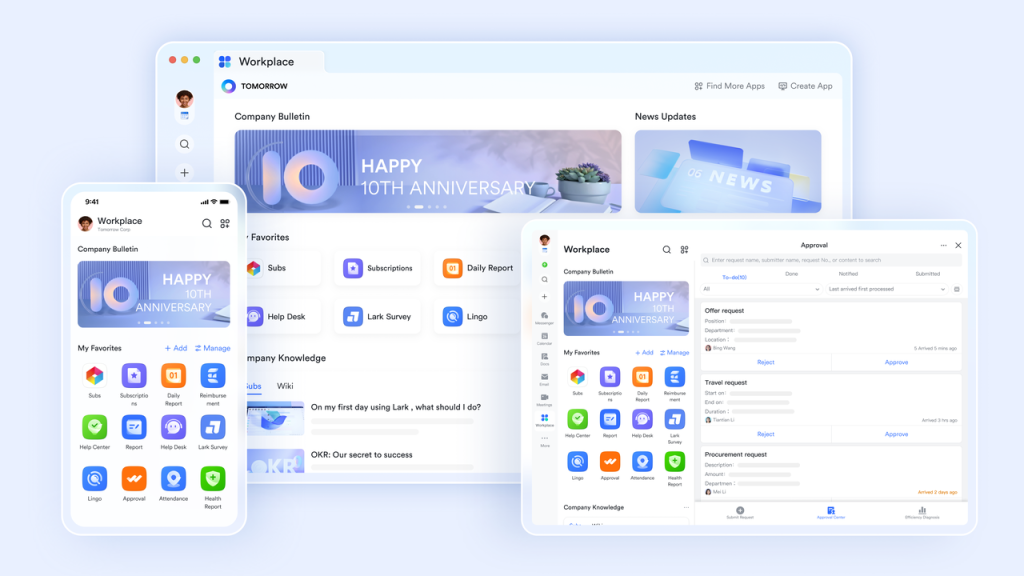
The heart of live collaboration lies in moving away from the “check-out, check-in” model of document editing. Lark Docs serves as the primary arena for this shift, acting as a dynamic workspace rather than a simple word processor. In this environment, multiple team members can jump into a document simultaneously, seeing each other’s cursors move in real-time. This eliminates the need for the “Final_v2” naming conventions because the document is a living entity.
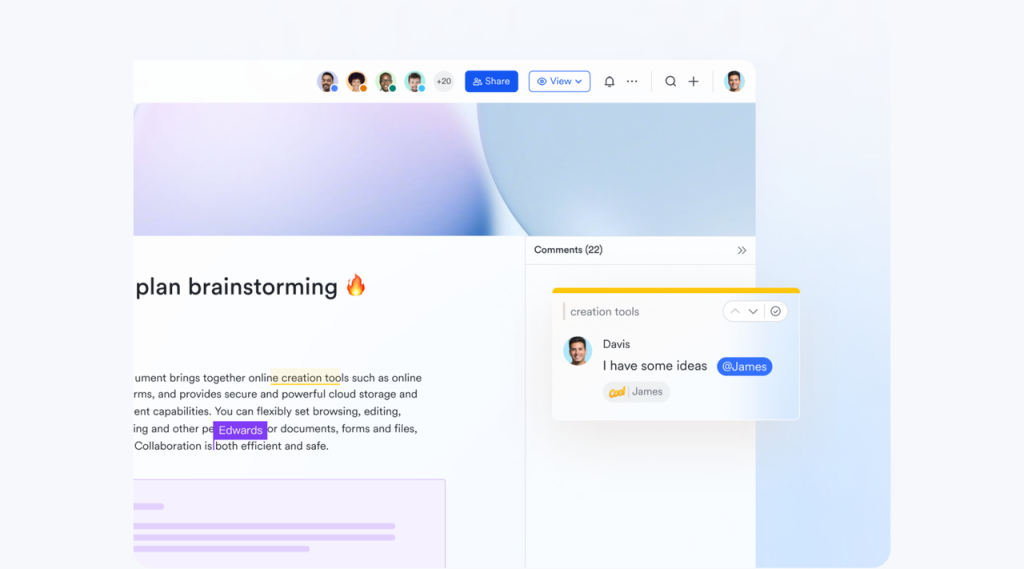
This is where the flexibility of modern management tools becomes evident. Instead of describing a project update in a separate app, you can embed live task lists or project timelines directly into the document. When a team member updates a status, it reflects everywhere instantly. This “single source of truth” means that any stakeholder can open the doc at any moment and know exactly where the project stands without having to ask for a status report. It turns documentation from a passive record-keeping chore into an active, collaborative experience that drives the project forward.
Real-time data integrity in Lark Sheets
The stakes are even higher when it comes to financial models or data tracking. A single outdated cell in a spreadsheet can lead to catastrophic errors in budgeting or forecasting. Lark Sheets solves the versioning crisis by ensuring that data is never siloed in an offline file. Because these sheets are natively cloud-based and integrated into the wider suite, they support high-concurrency editing without the risk of data overwriting or “file is locked for editing” errors.
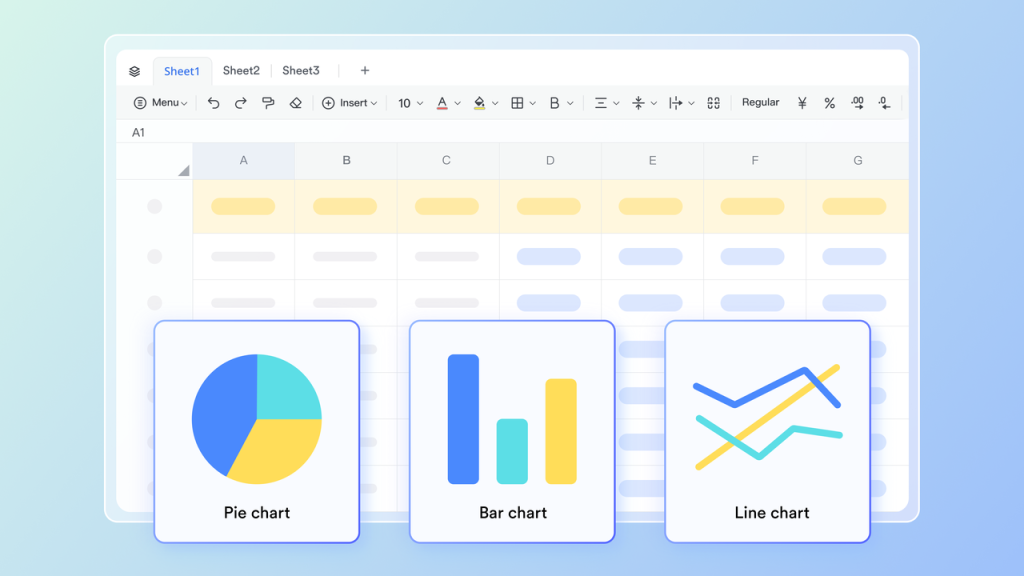
In Lark, a sheet isn’t just a grid of numbers; it’s a connected data node. You can mention a colleague in a cell to ask for a specific figure, and they can provide it instantly without leaving the platform. This real-time feedback loop ensures that your data remains “hot” and accurate. It prevents the dangerous lag time where decisions are made based on a spreadsheet that was exported forty-eight hours ago and is already obsolete.
Immediate feedback loops in Lark Messenger
The “versioning nightmare” is often exacerbated by the gap between the document and the conversation about that document. Usually, feedback is scattered across email threads, private pings, and meeting notes. Lark Messenger closes this gap by pulling the conversation directly into the work. When you share a document in a chat group, it isn’t just a link; it’s a portal.
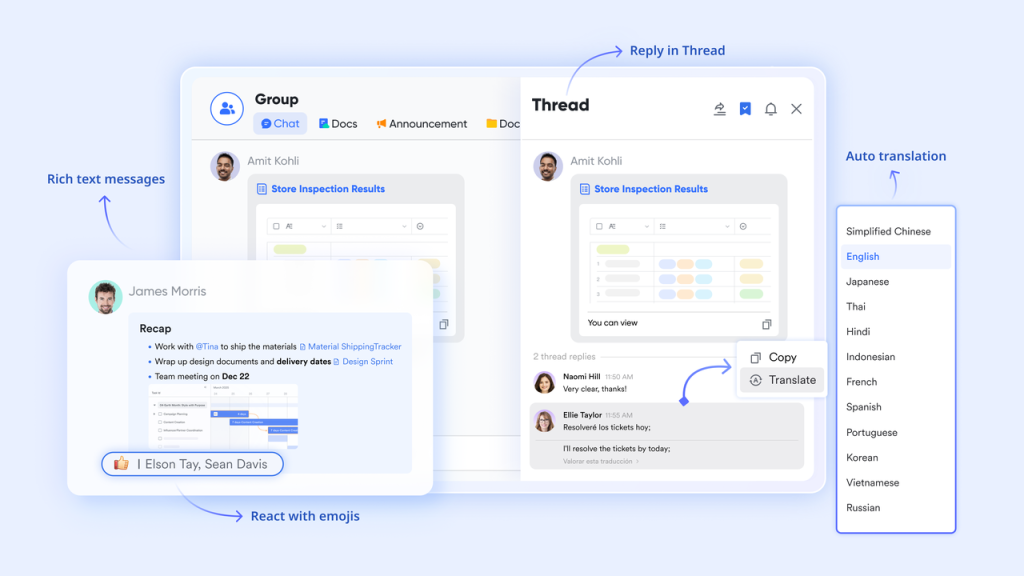
Teammates can view the doc, leave comments, and see replies without ever switching tabs. This is a critical component of productivity tools because it preserves the “why” behind every change. If a manager suggests a pivot in a strategy doc, that feedback is preserved right next to the text it refers to. There is no confusion about which version the feedback applies to because the feedback and the work are inextricably linked. It turns the messenger into a real-time coordination engine that keeps the creative process fluid and transparent.
Centralizing institutional truth in Lark Wiki
As projects conclude, the “final” versions of plans, policies, and research shouldn’t vanish into a buried folder. They need to be codified into the company’s collective memory. Lark Wiki acts as the permanent home for this verified information. Unlike a standard file drive, the Wiki is designed for discoverability and structure. It ensures that once a “final” version is settled, it is easy for anyone in the company to find and trust.
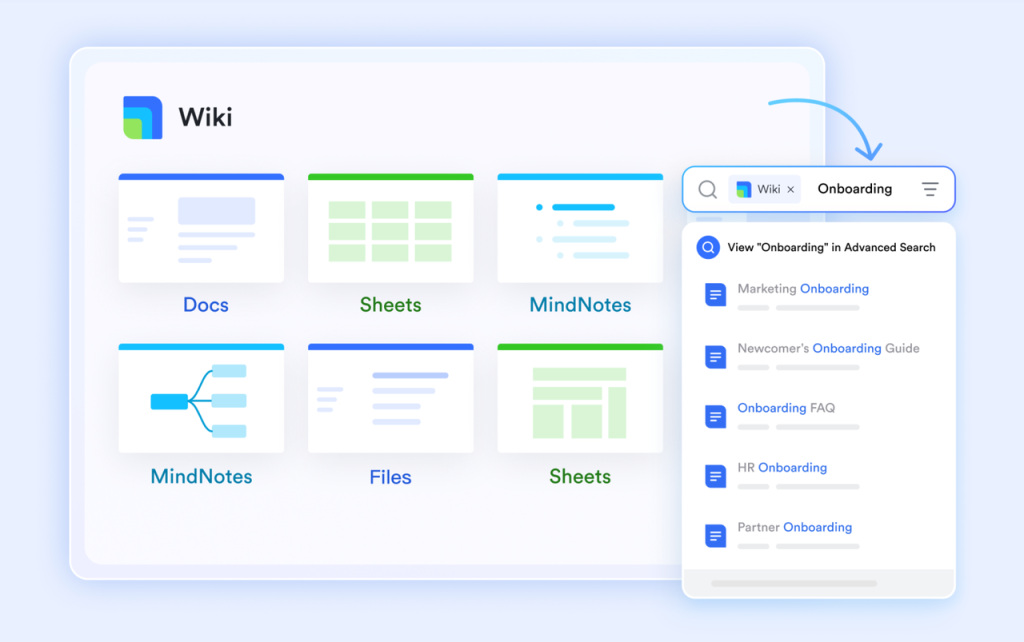
The Wiki uses a hierarchical structure that allows teams to organize their knowledge bases logically. Because it’s integrated with the rest of the suite, you can “link” a live doc into a wiki page. This means that even your “permanent” records can stay dynamic. If a company policy changes, you update it once on the Wiki, and that change is instantly reflected across every department. It eliminates the risk of an employee following an outdated procedure simply because they found an old PDF on their hard drive. It ensures that the company’s “brain” is always running the latest software.
Synchronizing goals through Lark OKR
Finally, live collaboration must extend to the very top of the organizational structure. If your company goals are stored in a static slide deck, they are effectively dead. Lark OKR brings strategy into the live workspace, ensuring that the “version” of the company’s mission is the same for everyone. As team members update their progress in Docs or Sheets, those results can feed directly into the OKR dashboard.
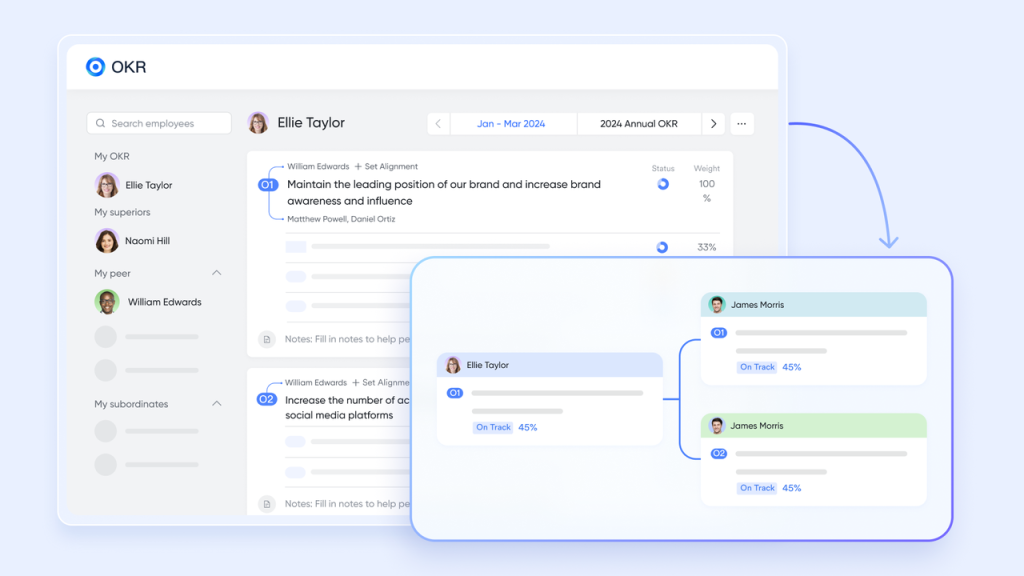
This real-time alignment is what separates high-velocity teams from the rest. You don’t wait for a quarterly “alignment meeting” to find out that a goal has shifted; you see it the moment the objective is updated. It removes the ambiguity that leads to wasted effort on outdated priorities. By making the company’s highest-level objectives as live and interactive as a chat message, you ensure that every single person is pulling in the same direction, with the same information, at the same time.
Bonus: The “Subscription Creep” that quietly drains your budget
When you look at your company’s monthly bills, it’s easy to focus only on the big names. Most managers start their search by checking Google Workspace pricing, Asana, Trello, and other tools to get a baseline for their team’s email and storage. But the real cost of “good enough” software is the pile of extra $10 and $15 bills that start showing up later. Because a basic office suite usually doesn’t have everything a team needs to actually move fast, you end up buying a separate chat app, a project tracker, and a video tool. Before you know it, you’re paying for five different logins, and your team is still frustrated because their work is scattered across a dozen browser tabs.
Lark changes the math by giving you the entire toolkit in one place. Since your chat, your documents, and your project boards are all parts of the same system, they naturally work together without any extra effort or cost. You aren’t just cutting down on your monthly software bills; you’re stopping the “app-hopping” that wastes hours of your team’s week. You get a cleaner, quieter workspace where everything is already where it needs to be, allowing your people to focus on the work instead of the tools.
Final thoughts
The end of the version control nightmare isn’t just about better file management; it’s about a new way of thinking about work. It’s the realization that in a fast-moving market, static information is a liability. By moving your team into a unified, live environment, you are giving them the gift of clarity. You are removing the “busy work” of searching, renaming, and reconciling, and replacing it with a pure focus on execution.
When your chat, your data, your documents, and your goals all exist in a single, synchronized flow powered by a modern set of productivity tools, the friction of the “old way” simply evaporates. You stop fighting your tools and start using them to build momentum. The most successful companies won’t be the ones with the most files; they’ll be the ones with the most fluid collaboration. It’s time to stop hitting “save as” and start working in the now.