Coffee has always been more than just a post-meal ritual. In recent years, it’s become a centerpiece of the dining experience. Guests expect not only a great dessert menu but also a cup of coffee that rivals their favorite café. That shift is pushing more restaurants to explore in-house roasting.
This isn’t just about adding another piece of equipment to the kitchen. It’s about creating a unique signature, much like a house-made sauce or bread. Many restaurants are now sourcing their own beans and roasting them on-site. Some even work with specialists like Coffee Equipment Pros to find the right machines that match their volume and style. The result is coffee that feels personal, memorable, and perfectly paired with the menu.

Why Small-Batch Roasting Wins Over Diners
When coffee is roasted in smaller batches, it can be tailored for freshness and flavor. Beans can go from roaster to cup in days, sometimes hours. That means diners get a coffee experience that’s aromatic, vibrant, and aligned with the chef’s vision for the meal.
Small-batch roasting also gives restaurants more control over roast profiles. Whether the goal is a light roast that highlights floral notes or a dark, rich roast that pairs with chocolate desserts, in-house roasting allows for precision that mass-produced coffee can’t match.
The Experience Factor
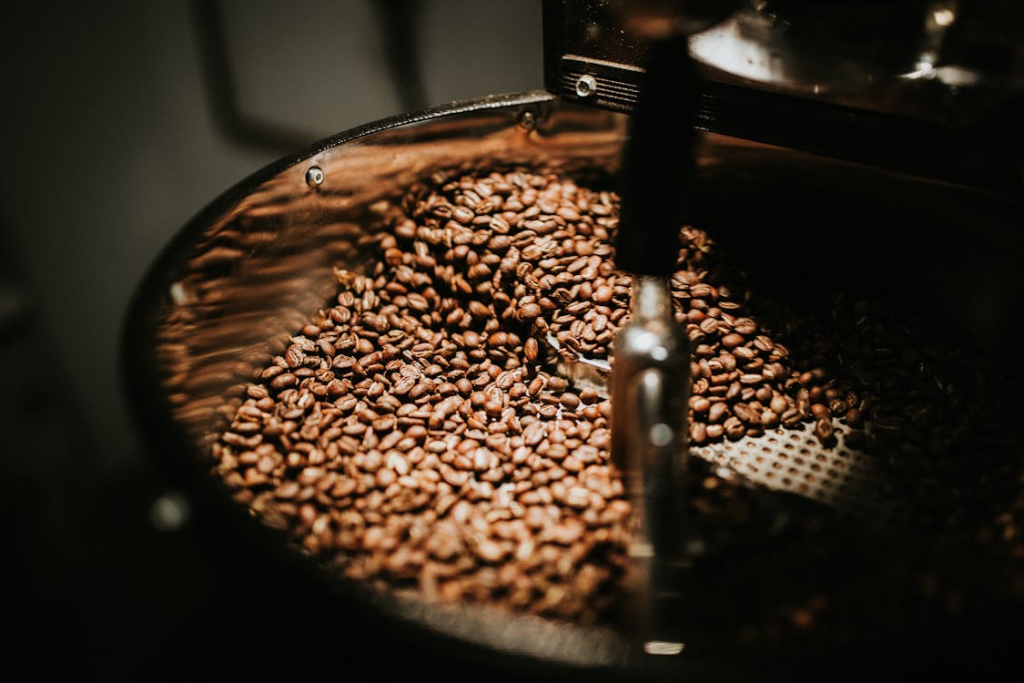
Part of the charm of in-house roasting is the theatre of it. Diners can see the roasting equipment, smell the beans, and sometimes watch the process. It turns coffee from an afterthought into an event.
Restaurants that highlight their roasting process often find it sparks conversation and builds loyalty. Guests return not just for the food, but for the coffee that they can’t get anywhere else.
How Restaurants Are Getting Started
Taking the leap into roasting doesn’t mean a restaurant has to figure it all out alone. Many work with brokers who connect them to equipment that fits their needs. This can include:
- Choosing the right roaster size to match the restaurant’s volume without wasting beans
- Finding equipment with user-friendly controls so staff can learn quickly
- Sourcing from trusted brands that offer durability and consistent results
For many restaurants, a turnkey setup makes the transition smoother. From the first roast to the first cup served, the process is streamlined when the right gear and guidance are in place.
Flavor Meets Brand Identity
In-house roasting is also a brand move. It gives restaurants a chance to create a coffee that reflects their personality. A seafood-focused bistro might opt for a bright, citrusy roast, while a rustic steakhouse may choose something bold and smoky.
Some even create seasonal roasts to match the menu. A fall roast could highlight warm spice notes, while a summer blend might lean toward lighter, fruitier profiles. This kind of creativity keeps guests curious and engaged.
The Sustainability Angle
More diners are asking where their food and drinks come from. In-house roasting offers a way for restaurants to highlight sustainable sourcing. They can choose beans from farms that practice fair trade or use eco-friendly processing methods.
Pairing this with energy-efficient roasting equipment helps reduce the environmental footprint. For restaurants aiming to be more sustainable, coffee can be a key part of the story they share with guests.
Challenges Worth Considering
While the benefits are clear, in-house roasting comes with a learning curve. Restaurants need to manage:
- Training staff to operate the roaster and store beans properly
- Scheduling roast days to ensure freshness without overproducing
- Maintenance to keep the equipment running smoothly
With the right preparation, these challenges can be managed. Many restaurants find that the payoff in quality and guest satisfaction makes the effort worthwhile.
Real-World Inspiration
Across the country, there are examples of restaurants that have turned coffee roasting into part of their identity. Some offer their blends for retail, letting guests take home a bag of the same coffee they enjoyed with dinner. Others host roasting demos during off-peak hours to create buzz and deepen their connection with the community.
These approaches not only enhance the dining experience but also open up new revenue streams. Selling coffee beans, branded mugs, or brewing gear can add to a restaurant’s bottom line while strengthening its brand presence.

Looking Ahead
The trend of in-house roasting isn’t slowing down. As diners continue to seek unique, high-quality experiences, restaurants that embrace coffee as more than an afterthought will stand out. Small-batch roasting lets them serve a cup that’s as thoughtfully crafted as the main course.
It’s a move that combines flavor, storytelling, and a touch of showmanship. And for many forward-thinking chefs and restaurateurs, that’s exactly the blend they’re looking for.