A busy service tests every fridge. Doors open and close, staff reach in fast, and stock turns over by the hour. If cold holding slips, quality drops and waste grows.
Front of house needs chill and visibility at the same time. Glass door merchandisers do both. Many operators compare reach in units, line fridges, and display cases, then choose 2-door coolers for capacity, product display, and a compact footprint that fits near the counter.
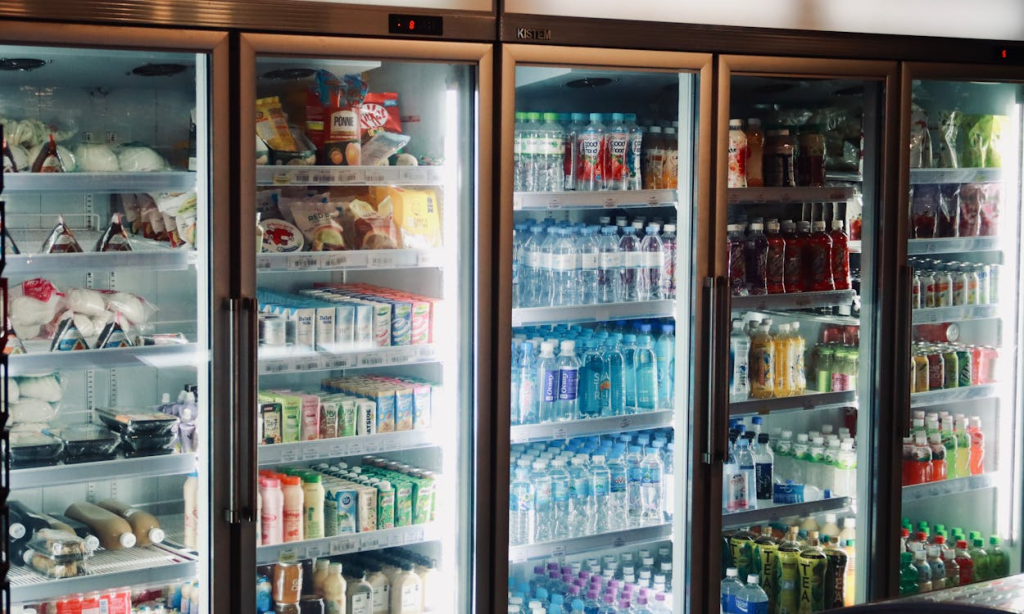
Photo by Tuan Vy
Food Safety Starts With Temperature
Cold holding limits are clear in professional training. Time and temperature control foods should be kept at 41°F, about 5°C, or below to slow bacterial growth. Post that number where staff can see it, train to it during prep, and check it during service.
If product drifts above the mark, shelf life shortens and risk rises.
How a unit reaches and holds temperature matters as much as the number on the dial. Look for steady airflow from top to bottom and across the door area.
Warm spikes happen when staff open doors often, so quick recovery is valuable. A cabinet that comes back to set point in minutes supports both safety and taste.
Thermometer placement also counts. Put a probe near the warmest spot, often close to the door area or near the top, not in the coldest back corner. Review readings at opening, mid shift, and close, and write them down.
Small logs help you spot trends before they turn into product loss.
Defrost control is part of the picture. Iced coils block airflow and reduce cooling power. Auto defrost systems that trigger only when needed limit warm periods and reset faster. Train staff to report frost buildup and any doors that no longer seal tight.
Visibility That Sells Without Losing the Chill
Guests buy what they can see. Clear glass, even lighting, and neat rows move product. A two door merchandiser gives you space to split categories, such as bottled drinks on one side and grab and go salads on the other.
That cuts search time and speeds the line.
Plan shelves for both order and airflow. Do not over pack the front rows. Leave a small gap so cold air can circulate. Use risers for short items, and keep labels forward. Door gaskets need to seal well so the glass stays clear and the cabinet stays cold.
If you see frequent fogging, check gasket wear, door alignment, and cleaning habits.
Lighting should be bright yet cool. LED strips inside the door frame spread light evenly and add little heat, so the compressor works less while products still look fresh. If your menu shifts by daypart, set a simple reset schedule for shelf tags and front rows.
A clean view sells more and keeps doors from staying open longer than needed.
Cost Control: Energy, Heat, and Load
Refrigeration is often a top energy user in a small space. Choose units with efficient compressors, ECM fan motors, tight gaskets, and LED lighting. Daily habits make a difference too. Keep doors closed between pulls, stock in short bursts, and fix worn gaskets fast.
Think about heat load when ordering and receiving. Loading many warm drinks at once raises cabinet temperature for a long stretch. Stagger deliveries or pre chill stock in a back room unit. Use a par system on the line.
When the last cold case leaves the shelf, bring a cold case from back stock and restock quickly, instead of topping off with warm items during peak service.
Ventilation is easy to overlook. Leave the clearances the manufacturer calls for at the top and sides. If cartons block grills or a unit sits tight against a wall, heat builds up and the compressor runs longer than it should. A few inches of breathing room saves money and prolongs life.
Format and Sizing: Fit the Flow
A two door footprint works in many counter service layouts and small dining rooms. It offers enough capacity for drinks, packaged desserts, and grab and go meals while staying compact. Sliding doors help in tight aisles.
Swing doors offer wider openings where space allows. Measure aisle width, door swing, and the path from loading area to the final spot before you buy.
Plan shelf spacing around best sellers. Set one bay for 20 ounce bottles, a middle bay for salads and protein boxes, and a top bay for desserts or parfaits. Keep back stock close to cut restock time.
Use small labels under the shelf lip for dates and batch numbers. That keeps the front view clean while helping staff follow first in, first out rotation.
If your offer changes often, choose adjustable shelves with clear notches so staff can move them without tools. A printed planogram taped inside the cabinet helps keep rows consistent across shifts.
Maintenance You Can Stick To
Simple habits protect the unit and reduce breakdowns. Wipe door gaskets and thresholds daily so grit does not tear the seal. Clean glass and handles for a tidy look and good hygiene. Log internal temperatures when doors are closed and again after a rush to spot slow recovery.
Each month, brush or vacuum condenser coils and air intakes. Dust acts like a blanket and makes the compressor run hot. Check that the unit is level so doors close on their own. Inspect casters and brakes so the cabinet stays put and cords do not pinch.
Schedule professional checks twice a year. A technician can verify pressures, test defrost functions, replace worn gaskets, and calibrate controls.
Keep a simple trigger list for service calls, such as constant short cycling, frost beyond the coil cover, puddles near the base tray, or unusual noise.
Team Habits That Keep the Cold Chain Intact
Equipment does not work alone. Train on small, repeatable habits. Keep doors open only as long as needed. Use trays to move groups of items in one motion. Put misplaced items back where they belong so nothing blocks vents.
Post par levels and a restock window that avoids peak order times.
Make temperature checks easy. Clip a pen to the side of the unit and keep the log in a sleeve. Assign checks at opening, mid shift, and close. Clear records show control during audits and help managers coach the team.
Connect the display plan to the menu plan. If a high drink promotion is coming, stage extra cold stock in back. If salads lead during lunch, shift more shelf space from late morning to early afternoon, then hand that space to desserts in the evening.
When the display follows demand, waste drops and guests find what they want fast.
Why Glass Door Merchandisers Fit Restaurant Life
A storage cooler in the back is right for bulk stock, but a front of house merchandiser has a different job. It must hold safe temperatures, recover quickly after door openings, show products clearly, and help sell.
Build quality, airflow, door design, lighting, and adjustable shelves all support that job day after day. Many teams find that a well planned two door unit delivers visibility and capacity without taking too much floor space or staff time.
Tie temperature control, clean presentation, smart loading, and basic maintenance together and refrigeration becomes steady and predictable. Food stays safe, waste falls, and the unit supports the menu instead of getting in the way.
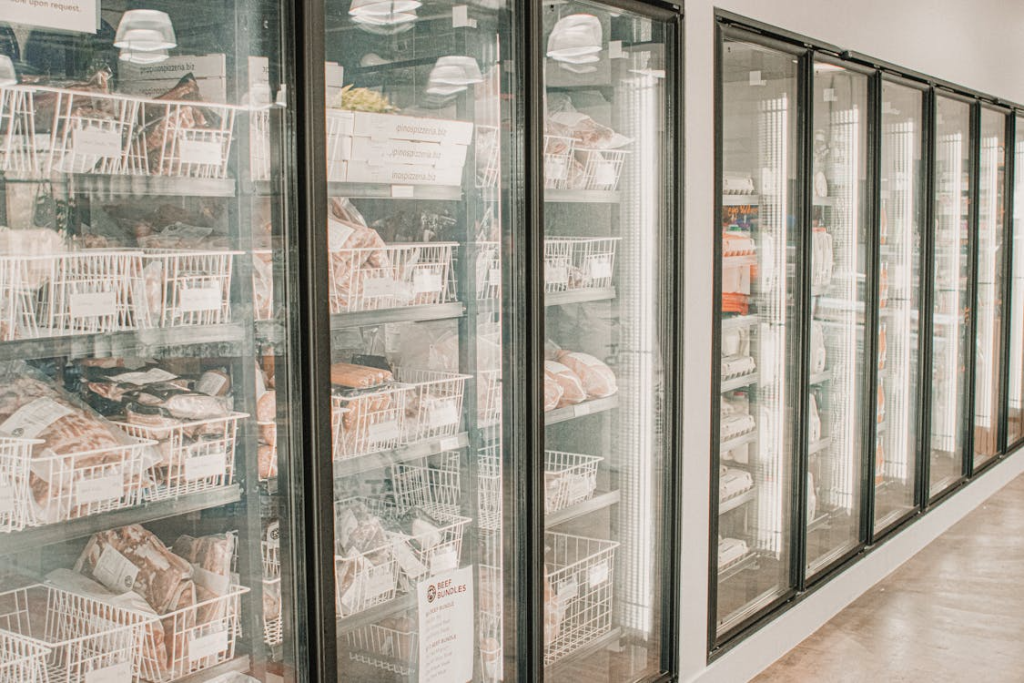
Photo by Daniel & Hannah Snipes
Final Takeaway
Set a firm cold limit of 41°F, about 5°C, and check it at opening, mid shift, and close. Place the thermometer in the warmest spot, usually near the door area or high shelf. Keep a simple planogram, leave airflow gaps, and restock in quick bursts with pre chilled items.
Clean glass, gaskets, and coils on a schedule, and keep vents clear with proper spacing. Train quick door habits and use short, readable logs so issues show up early. Pair shelf space with demand by daypart.
Add twice yearly service checks. These small routines protect food quality, reduce waste, and help the merchandiser support sales every day.