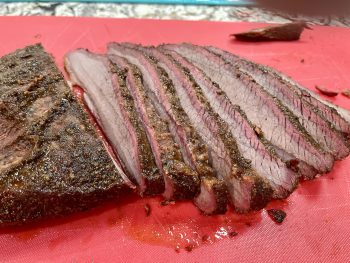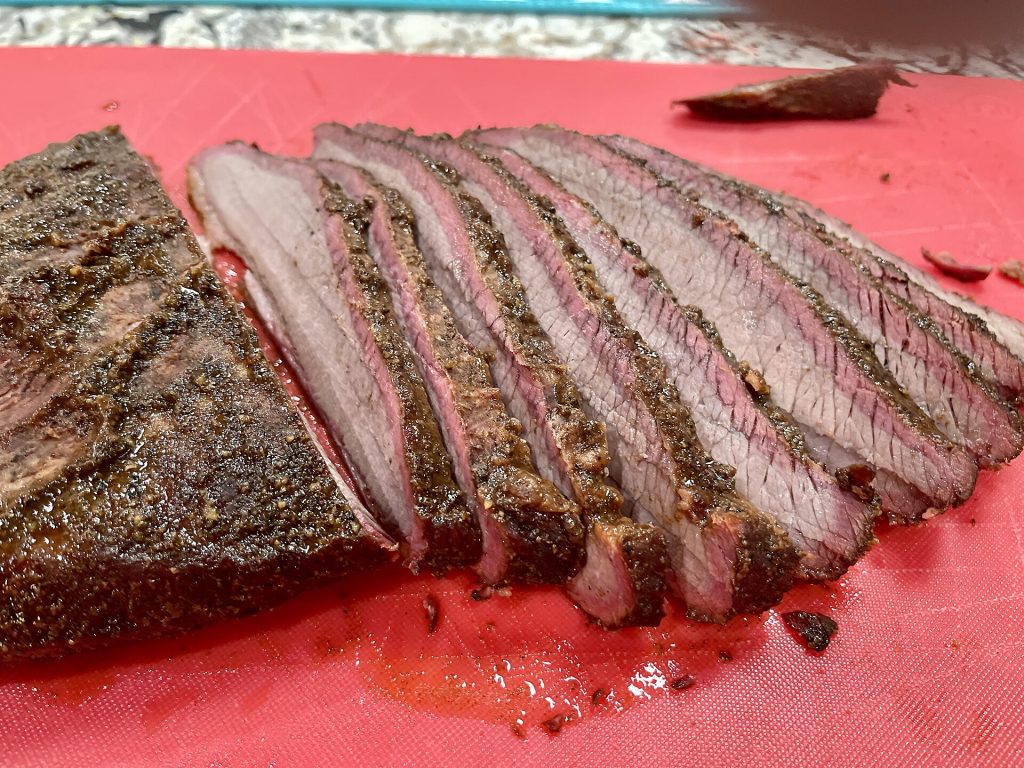
The short version of America’s regional barbecue styles: Texas is about beef, especially brisket, with simple seasoning and oak smoke. North Carolina is about pork, from the whole hog in the east to shoulder in Lexington, with vinegar at the heart of the sauce. Memphis is ribs and pulled pork, served dry-rubbed or sauced. Kansas City smokes just about everything and finishes it with thick, sweet sauce.
Those differences aren’t arbitrary. They trace back to which animals were raised locally, which woods grew nearby, and which immigrant communities brought their cooking with them. Barbecue fans treat the lines between regions as sacred, even as modern pitmasters blur them.
Here’s how the four big styles compare on meat, sauce, wood and signature dishes, and where each one came from.
Key takeaways
- Texas barbecue is built on beef, wood smoke and a salt-and-pepper reputation, though many pitmasters quietly season with more.
- Eastern North Carolina cooks the whole hog with vinegar-pepper sauce; Lexington style uses pork shoulder with a tomato-tinged dip and red slaw.
- Memphis focuses on pork ribs and shoulder, and the big debate is dry-rubbed versus wet, sauced ribs.
- Kansas City grew from Henry Perry’s 1920s pit and is known for its range of meats, thick sweet sauce and burnt ends.
- Wood shifts by region, from post oak and mesquite in Texas to oak and hickory in Kansas City.
The four styles side by side
| Texas (Central) | North Carolina | Memphis | Kansas City | |
|---|---|---|---|---|
| Main meat | Beef, above all brisket | Pork: whole hog (east), shoulder (Lexington) | Pork ribs and shoulder | Almost anything: brisket, ribs, pork, chicken, sausage, mutton |
| Seasoning and sauce | Salt and pepper reputation; sauce optional | Vinegar-pepper (east); tomato-based dip (Lexington) | Dry spice rub or sweet tomato sauce with molasses | Thick, sweet tomato-based sauce |
| Typical wood | Post oak; mesquite in the west, hickory in the east | Wood-fired pits | Hardwood | Oak and hickory |
| Signature dish | Sliced brisket | Chopped pork with slaw | Dry-rub ribs, pulled pork | Burnt ends |
| Roots | German and Czech meat markets | Whole-hog cooking and British colonial tastes | Mississippi River port city | Henry Perry’s pit in the early 1920s |
The Smithsonian’s history of American barbecue traces the whole family tree back to Caribbean cooking over a wooden frame called a barbacoa, carried north by Spanish explorers. The regions split later, shaped by local livestock, wood and settlers.
Read the table as a map of tendencies rather than laws. Plenty of Texas joints serve pork ribs, Kansas City pits smoke brisket every day, and Memphis cooks happily sauce their dry ribs on request. What each region agrees on is time: low heat, real wood and hours of patience.
Texas: beef, smoke and salt
Texas is big enough to have several barbecue styles, but the one the world copies is Central Texas: beef smoked over wood in the tradition of old German and Czech meat markets. Texas Monthly counts meat markets such as Kreuz Market in Lockhart and Southside Market in Elgin among the state’s barbecue pioneers.
Brisket and the salt-and-pepper myth
As Texas Monthly puts it, Texas barbecue’s reputation is built on beef, wood smoke and salt-and-pepper seasoning. The same reporting found that many top joints actually add more, often seasoned salt, and quoted Aaron Franklin saying he has never cooked a brisket with just salt and pepper. The point stands either way: the seasoning is simple so the beef and smoke do the talking.
Wood by region
Texas Monthly’s guide to barbecue woods explains that Central Texas pitmasters favor post oak for the bark it builds and its sweet smoke. Mesquite remains a West Texas staple, where other hardwoods are scarce, and hickory is more popular in the northern and eastern parts of the state.
Texas barbecue asks one question of the pitmaster: can you make beef, smoke and patience taste like more than the sum of their parts?
The Carolinas: pork and vinegar
North Carolina has two styles with fierce loyalties, and Visit North Carolina sums them up neatly.
- Eastern style: the whole hog, cooked low and slow and finished with a vinegar-pepper sauce.
- Lexington (Piedmont) style: pork shoulder, served chopped or sliced with a tangy, tomato-based dip and red slaw.
The Smithsonian ties those vinegar sauces to the tastes of the British colonists who settled the region. Next door, South Carolina took another path: the state’s French and German immigrants gave rise to a mustard-based sauce.
Modern North Carolina pitmasters are mixing traditions too. Visit North Carolina points to Prime Barbecue in Knightdale, which blends eastern whole hog with Texas-style brisket, as proof that regional borders are getting softer.
Memphis: ribs, dry or wet
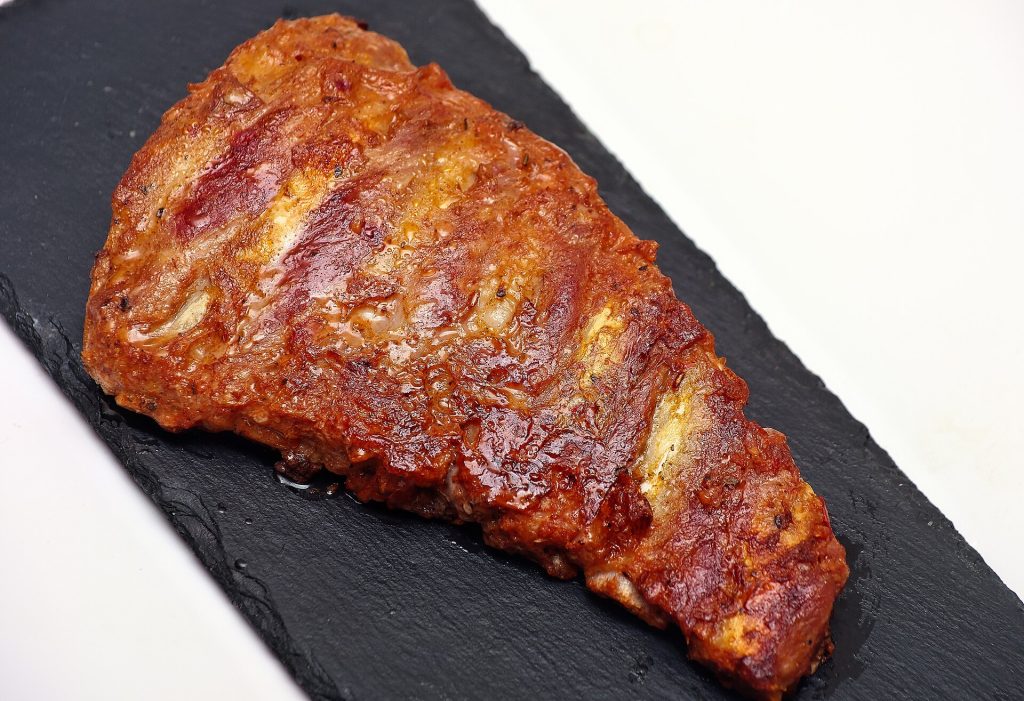
According to Memphis Travel, Memphis barbecue rests on three things: pork (ribs and shoulder), dry spice rubs and slow smoking over hardwood. The city’s big argument is about ribs.
- Dry ribs are coated in a spice blend and smoked without sauce.
- Wet ribs are basted as they cook and sauced before serving.
Memphis sauces lean on tomato sweetened with molasses or brown sugar and balanced with vinegar. The Smithsonian links that sweetness to the city’s life as a Mississippi River port, where molasses was easy to get.
Only in Memphis
The city also invented dishes you won’t find on a menu in Lockhart: barbecue spaghetti, barbecue nachos piled with pulled pork, and barbecue pizza, which Memphis Travel credits to Coletta’s in the 1950s. Smoked bologna is a local favorite too. Each year the city also hosts the World Championship Barbecue Cooking Contest, which draws teams from around the globe.
Kansas City: everything, with sauce
Kansas City barbecue has a clear founding figure. Henry Perry, who the Smithsonian notes was born in Memphis, began barbecuing in an outdoor pit next to a streetcar barn in the early 1920s and served his meat wrapped in newspaper. Families including the Bryants and the Gateses followed, and the city’s stockyards and meat-packing trade kept pitmasters busy.
Visit KC describes a menu that takes in pork ribs, lamb ribs, brisket, burnt ends, pork shoulder, chicken, ham, rib tips and even mutton, cooked over oak and hickory. It’s all finished with the thick, sweet sauce the city is known for. The metro area counts more than 100 barbecue restaurants, and the American Royal World Series of Barbecue draws more than 500 teams.
If you’re visiting, start with the names that built the city’s reputation. Visit KC points to Arthur Bryant’s Barbecue near 18th and Vine, Gates Bar-B-Q and Joe’s Kansas City Bar-B-Que as institutions, and the Kansas City Barbeque Society has spent decades promoting the style far beyond the metro area. Order a combination plate so you can taste ribs, brisket and burnt ends side by side, then judge the sauce for yourself.
Burnt ends
Burnt ends began as the trimmed, crusty corners of smoked brisket. Once treated as scraps, they became Kansas City’s signature: smoky, caramelized cubes that now turn up in everything from tacos to hash.
Want more on the dishes behind the smoke? Browse our food culture stories or read about smoking brisket at home.
FAQ
What are the four main American barbecue styles?
Texas, the Carolinas, Memphis and Kansas City. Each has its own favored meat, sauce and wood, though there are many more local traditions across the South.
Which style uses the most sauce?
Kansas City, where thick, sweet tomato-based sauce is part of the identity. Central Texas uses the least, and Memphis gives you the choice with dry or wet ribs.
What makes Carolina barbecue different?
It’s pork, and vinegar plays a starring role. Eastern North Carolina uses a vinegar-pepper sauce on whole hog, while Lexington adds tomato to its dip. South Carolina is known for mustard-based sauce.
What are burnt ends?
The crusty, fatty corners trimmed from smoked brisket. They’re Kansas City’s best-known contribution to barbecue.
Taste your way through them
The fastest way to understand the differences is a side-by-side tasting. Pick up brisket, pulled pork and ribs, try one plate with no sauce and another with a vinegar sauce and a sweet tomato sauce, and see which region you belong to. Then find a smokehouse near you in our restaurant directory or explore regional barbecue sauces.
Featured photo: Smoked Brisket with smoke ring by Johnsparks75, BY-SA 4.0.