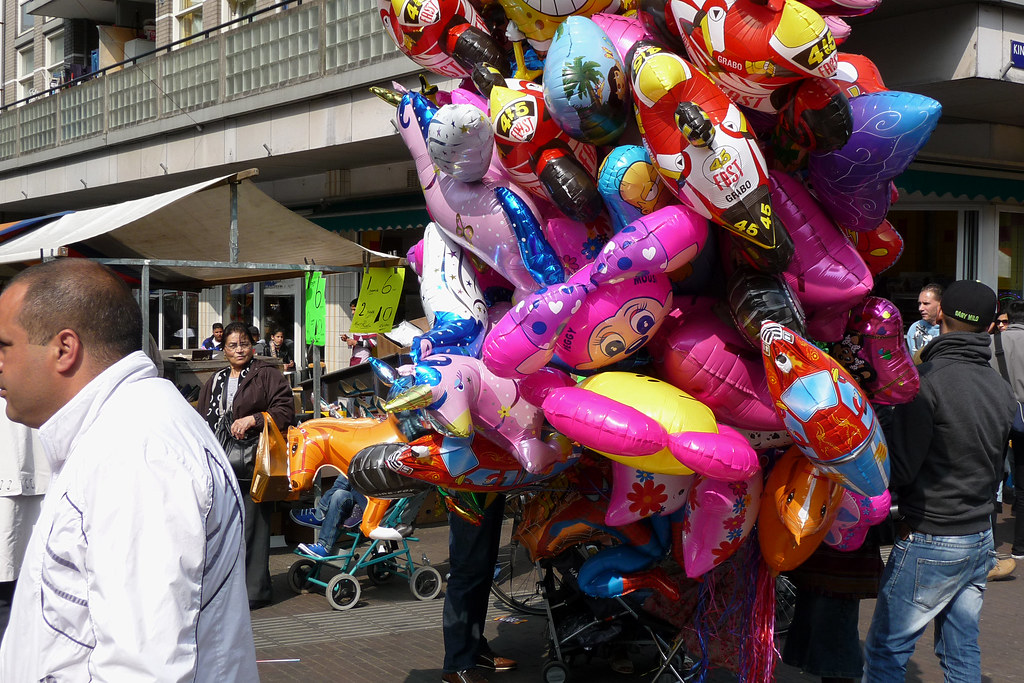
A crowded farmers market or a busy street fair gives a small business only a few seconds to earn a passerby’s attention before that person moves on to the next booth. Many small businesses invest in a table, some inventory, and a banner, then wonder why foot traffic never converts into real sales or repeat customers. The gap usually isn’t effort, it’s strategy: a booth without a clear visual hook, an interaction plan, and a way to capture the moment beyond the event day rarely leaves an impression. Small businesses that treat local events as a designed experience rather than a sales table consistently walk away with more leads, more sales, and stronger community recognition.
Why First Impressions Matter More at Local Events
The Three-Second Rule
Foot traffic at a fair moves fast, and most attendees decide whether to approach a booth within about three seconds of seeing it. That decision is driven almost entirely by visual clarity, so a booth that requires someone to stop, read, and interpret before understanding what’s being sold has already lost most passersby. Clean signage stating exactly what the product or service is, paired with a visible sample or demo, closes that gap immediately. Vendors who rely only on a logo and no explanatory text tend to underperform even when their product is genuinely appealing, simply because attendees never pause long enough to find out. The goal at this stage isn’t to explain the whole brand story; it’s to answer “what is this and why should I care” in a glance.
Local Context Builds Trust Faster Than Online Ads
Local events carry an inherent trust advantage that online marketing struggles to replicate, because attendees are physically present in their own community and can see, touch, and ask questions directly. That proximity means small businesses can build credibility in minutes that might take weeks of digital advertising to establish. Mentioning specific local landmarks, partnerships with other nearby businesses, or ingredient or material sourcing from the region taps directly into that trust. Attendees are also more likely to remember a face-to-face interaction than a scrolled-past ad, which is why the quality of the conversation at the booth often matters more than the polish of the display. This is a case where genuine, unscripted conversation outperforms a rehearsed pitch.
Building a Booth That Attracts Attention
Visual and Sensory Hooks
A booth’s job is to interrupt the flow of foot traffic just long enough to start a conversation, and the most reliable way to do that is through a sensory hook rather than text alone. Movement, sound, or scent draws attention from farther away than any sign can, which is why food vendors with visible cooking or sampling stations consistently pull larger crowds than static displays. For non-food businesses, a live demonstration, a spinning display, or an interactive element like a wheel or sample bin creates the same pull. Color contrast also matters more than most small businesses realize, since a booth that blends into its neighbors visually gets scanned past even if the product itself is strong. The following checklist covers the core visual elements worth prioritizing before an event.
Booth visual checklist:
- A sign readable from 15–20 feet away stating what you sell in five words or fewer.
- A high-contrast backdrop or tablecloth that separates the booth from neighboring vendors.
- At least one item attendees can touch, taste, or try, not just view.
- Pricing displayed clearly to avoid hesitation at the point of interest.
- A branded takeaway, such as a sticker, sample, or card, for attendees who aren’t ready to buy on the spot.
- Consistent branding across signage, packaging, and staff apparel so the booth reads as one cohesive presence.
Staffing and Interaction Strategy
The person standing at the booth matters as much as the booth itself, and small businesses often underinvest in preparing staff for the specific rhythm of event selling. A greeting that invites conversation, such as an open question about what the attendee is looking for, performs far better than a generic “let me know if you have questions.” Staff should be trained to make the pitch in under 20 seconds, since most attendees will not stand still for a longer explanation unless they’ve already shown strong interest. Rotating staff every couple of hours keeps energy high, because visible fatigue at a booth is one of the fastest ways to lose potential customers. Businesses that treat the booth as a stage, with staff actively engaging rather than waiting behind a table, consistently report higher conversion from browsers to buyers.
Capturing the Moment Beyond the Event Day
Turning Foot Traffic Into a Lasting Audience
An event only pays off long term if the business captures some way to reconnect with attendees after the booth comes down. A simple email signup incentivized with a small discount or giveaway entry converts a fleeting interaction into an ongoing relationship. QR codes linking directly to a website, online store, or social page are now expected at most booths and remove friction compared to asking someone to type a URL manually. Businesses using point-of-sale systems like Square can capture contact details directly at checkout, turning a single transaction into a marketing opportunity without adding extra steps for the customer. The businesses that grow fastest from repeated event appearances are usually the ones systematically capturing this data every time, not just selling and packing up.
Practical Tips for Standing Out at Local Events
- Choose events that match your customer, not just your convenience. A general craft fair may draw thousands of people, but a niche market aligned with your product, such as a maker’s market for a handmade goods business, often converts better per attendee. Research the typical attendee profile before committing a table fee.
- Invest in a repeatable, professional booth kit. A modular setup that can be assembled quickly and looks consistent event after event builds brand recognition over time. Businesses that redesign their booth every event lose the compounding recognition effect of a consistent look.
- Offer an event-exclusive item or bundle. Scarcity and exclusivity draw attention and give attendees a reason to buy that day instead of waiting. This also gives staff an easy, low-pressure opening line.
- Use branded merchandise as a memory anchor. A small giveaway like a magnet, sticker, or drinkware item keeps the business visible in a customer’s home long after the event. Ordering a batch of branded promotional mugs is a straightforward way to give attendees something they’ll actually keep and use.
- Track results event to event. Log foot traffic estimates, sales totals, and signup counts after every event to identify which ones are worth repeating. Businesses that skip this step often keep attending events out of habit rather than data.
- Partner with a neighboring vendor when possible. Cross-promotion with a complementary, non-competing business can double the effective audience at no added cost. A coffee vendor and a bakery sharing foot traffic is a classic example that still works well at local fairs.
- See the FAQ section below for answers to the most common questions small businesses ask before their first event.
Frequently Asked Questions
Small businesses preparing for their first few local events tend to ask a similar set of practical questions. The answers below address the most common ones, from booth setup basics to how to keep the momentum going after the event ends.
What’s the single most important investment for a first-time event booth?
Clear, readable signage is the highest-leverage investment for any first-time vendor, since it determines whether passersby understand the offer quickly enough to stop. A well-designed sign paired with visible pricing consistently outperforms an elaborate booth with confusing messaging. Spending on signage and a simple, high-contrast backdrop before spending on decorative extras tends to produce the best return.
How can a small business make branded giveaways affordable?
Ordering giveaways in modest batches tied to expected attendance keeps costs predictable while still giving the business a physical touchpoint that outlasts the event. Drinkware items in particular tend to get reused daily, extending brand visibility well beyond the fair itself, and vendors can explore a variety of mug styles to find an option that fits their budget and branding. Pairing a giveaway with an email signup, rather than handing it out freely, also helps ensure the item goes to genuinely interested attendees.
How many events should a new small business attend before evaluating whether it’s worth it?
Three to five events across different types of venues, such as a farmers market, a craft fair, and a community festival, usually provides enough data to compare performance meaningfully. A single event can be skewed by weather, timing, or an unusually small or large crowd, so it shouldn’t be treated as a definitive result. Tracking sales, signups, and foot traffic consistently across those events makes the comparison far more reliable than gut feeling alone.
What’s the best way to handle payments at a pop-up or fair booth?
A mobile point-of-sale system that accepts cards and contactless payment removes friction and prevents lost sales from customers who don’t carry cash. Systems like Square are widely used by small vendors specifically because they combine payment processing with basic customer data capture in one device. Having a backup payment method, such as a simple QR code linked to a payment app, is also worth setting up in case of connectivity issues at the venue.
How can a small business promote its event appearance in advance to guarantee foot traffic?
Posting on social media a few days before the event, tagging the event organizer’s account, and listing the appearance on any event page the organizer maintains helps existing followers plan to stop by. Many local fairs are also listed on platforms like Eventbrite, and businesses can link their own social posts to that listing to make it easy for interested attendees to find booth details. Sending a short reminder to an existing email list on the morning of the event is a simple, often overlooked step that reliably increases turnout at the booth.
The Bottom Line
Making a strong impression at a local event, fair, or pop-up comes down to a few consistent fundamentals: clear signage that communicates value in seconds, a booth designed to be noticed rather than just occupied, staff trained to engage rather than wait, and a system for capturing the relationship after the event ends. Small businesses that treat each event as a repeatable, trackable process rather than a one-off table rental consistently outperform those that show up without a plan. The tools involved, from point-of-sale systems to branded giveaways to simple email signups, are accessible to businesses of any size and budget. The overarching goal is straightforward even when execution takes practice: give attendees a reason to stop, a reason to remember, and a reason to come back, and the sales and brand recognition follow naturally from there.