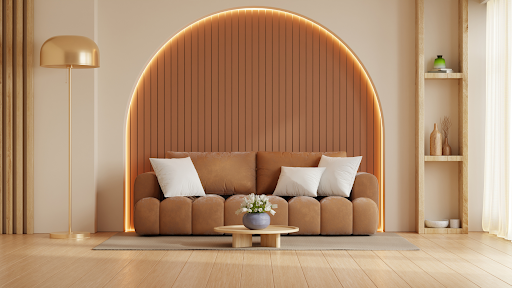
A calm, uncluttered home doesn’t happen by accident; it’s the result of intentional choices. Minimalist living isn’t about stripping your space bare; it’s about selecting furniture that supports your daily life without overwhelming it. The goal is to create an environment that feels open, functional, and easy to maintain.
When you choose the right pieces, your home starts working with you instead of against you. Every item has a purpose, every corner feels considered, and the overall space becomes somewhere you can truly relax. That’s where minimalist furniture makes the biggest difference, not just in how your home looks, but in how it feels to live in.
Core Principles of Minimalist Furniture That Hold Up Over Time
Here’s the thing about minimalism: it isn’t about following rigid design rules. It’s about making purposeful choices rooted in how you actually live, not how you imagine you might live someday.
The “Essential-Only” Rule for Every Room
Every piece of minimalist home decor should earn its spot. A practical test: Does this piece serve a purpose at least once a week? Map your daily routines to your existing furniture. The side table that collects unopened mail, the armchair nobody actually sits in, those are symptoms of default purchasing, not intentional living. Maximum function, minimum footprint. That’s the standard.
Visual Calm Through Lines, Proportions, and Open Space
Clean lines give your eyes somewhere to rest. Visible floor space isn’t wasted; it’s actively doing something. A quick diagnostic trick: photograph your room. Clutter and visual noise are almost always harder to spot in person than in a photo. If the photo looks busy, the room is busy.
Once you’ve internalized what open space does for a room, the next question becomes whether the pieces you keep are actually worth keeping for the long run, something that often becomes clearer when you compare options thoughtfully while browsing furniture stores, rather than buying on impulse.
Quality Over Quantity, Every Single Time
Nearly half, 49%, of all furniture purchased was used or refurbished, a remarkable increase from just 16% in earlier years. That shift reflects a genuine attitude change. People are choosing durability over volume, and for good reason. Cheap, oversized pieces wear out quickly and quietly undo everything you’ve built. Prioritize your anchor pieces, sofa, bed, and dining table, then phase in everything else gradually.
With the principles in place, let’s move room by room.
Minimalist Living Room Furniture That Works Harder With Less
The living room tends to accumulate the most visual chaos in most households. It also gets the most eyes on it, which makes it the right place to start.
Building a Minimalist Living Room Furniture Capsule
Think of your living room as a capsule: roughly three to six intentional pieces that handle everything the room needs to do. For a studio, that might be a sofa, a compact coffee table, and one storage unit. For a family room, add a media console with closed doors and a couple of lightweight accent chairs. You’re choosing deliberately, not filling space out of habit.
Planning for a clean, functional setup also means thinking about how your tech fits into the space, and getting a professional TV installation ensures your screen is positioned properly while keeping cables hidden and unnecessary clutter to a minimum.
When it’s time to shop, focus on consistency in materials, proportions, and overall design language. Sticking to a cohesive look helps the space feel calm and intentional, without the need to piece things together from too many different styles.
Choosing Your Sofa: Scale and Fabric Both Matter
A sofa that’s too wide or too deep immediately kills breathing room. Leave clear walking paths on at least two sides of the piece. Low-profile frames tend to read better in minimalist spaces, and mid-tone performance fabrics stay cleaner looking over time, far better than light or heavily textured alternatives.
Hidden Storage: The Hardest-Working Pieces in Any Room
Ottomans, sideboards, media consoles with closed doors, these are genuinely invaluable. Choose designs with legs rather than solid bases. They look lighter visually, and floor visibility is a major contributor to that open, spacious feeling you’re after.
Minimalist Bedroom Furniture That Supports Actual Rest
The bedroom is where minimalism delivers its most direct return. A calm, uncluttered room genuinely supports better sleep and a clearer headspace when you wake up.
The Bed Is the Anchor, Full Stop
Minimalist bedroom furniture begins and ends with the bed. Everything else is secondary. A platform or storage bed with a tailored upholstered headboard gives you function without excess bulk. Low-profile frames work especially well in rooms with standard ceiling heights, keeping proportions feeling balanced rather than cramped.
Nightstands, Dressers, and Wardrobes With Real Purpose
Narrow, wall-mounted, or drawer-style nightstands prevent the surface clutter that accumulates overnight almost automatically. For storage, make your decision, dresser or wardrobe, based on what you actually own today, not what you think you might own eventually.
And don’t feel obligated to match every piece. Mixing bedroom furniture actually avoids that heavy, over-coordinated showroom look that feels clinical rather than personal.
Smart Small Space Furniture Solutions for Apartments and Compact Homes
Smaller spaces don’t demand sacrifice; they demand smarter choices. This is where small space furniture solutions genuinely earn their keep.
Transformable Furniture: One Piece, Multiple Functions
Sofa beds, drop-leaf tables, and lift-top coffee tables, these let a single room handle multiple roles without carrying permanent visual weight. Before buying any transformable piece, check the mechanism in person. Ease of use matters far more than the concept does on paper.
Vertical and Floating Pieces That Free Your Floor
Wall-mounted consoles and floating nightstands reclaim visual floor space instantly. Tall, narrow storage units use vertical height without spreading across the room. Don’t overlook the “dead zones”, above doors, under windows, and hallway nooks. They’re easy to miss and genuinely useful when approached intentionally.
Applying Minimalist Furniture Ideas Consistently Across Every Room
Minimalist furniture ideas only create a truly cohesive home when they’re applied consistently, not just in the showpiece rooms.
Dining Area: Light, Functional, Easy to Clear
An extendable dining table handles guests without permanently dominating the space. Slim chairs that tuck fully under the table keep the area visually quiet between meals. One well-chosen pendant light above the table does more than an entire collection of smaller decorative items ever could.
Workspace: Focused, Compact, Out of the Way When You’re Done
A wall-mounted desk in a shared room essentially disappears when the workday ends. Pair it with one ergonomic chair and a single storage unit. That’s genuinely all a home office requires, without sacrificing floor space or visual calm elsewhere.
Furniture That Simplifies Rather Than Complicates
Minimalist living isn’t about chasing a certain look; it’s about removing friction from your everyday life. The right furniture choices make your home easier to move through, easier to maintain, and far more comfortable to live in. When each piece serves a clear purpose, your space naturally starts to feel lighter and more intentional.
Instead of constantly adding, the focus shifts to refining. Choosing fewer, better pieces, and giving them room to breathe creates a home that supports you without demanding your attention. In the end, minimalist furniture isn’t about having less for the sake of it. It’s about making space for what actually matters.
Frequently Asked Questions
How do I start a minimalist living room without replacing everything?
Remove pieces that don’t serve a weekly purpose first. Rearrange what remains, add a simple rug for cohesion, and only replace items after you’ve lived without them for a few weeks.
How do I make minimalist bedroom furniture feel warm rather than cold?
Layer texture, bedding, a simple throw, and a natural fiber rug. One warm-toned lamp replaces harsh overhead lighting and changes the entire feeling of a spare room.
What should I look for at furniture stores versus shopping online?
In person, examine frame weight, joint quality, and how the fabric actually feels. Online, focus on reviews related to size accuracy and color representation, and always double-check your room measurements before committing.