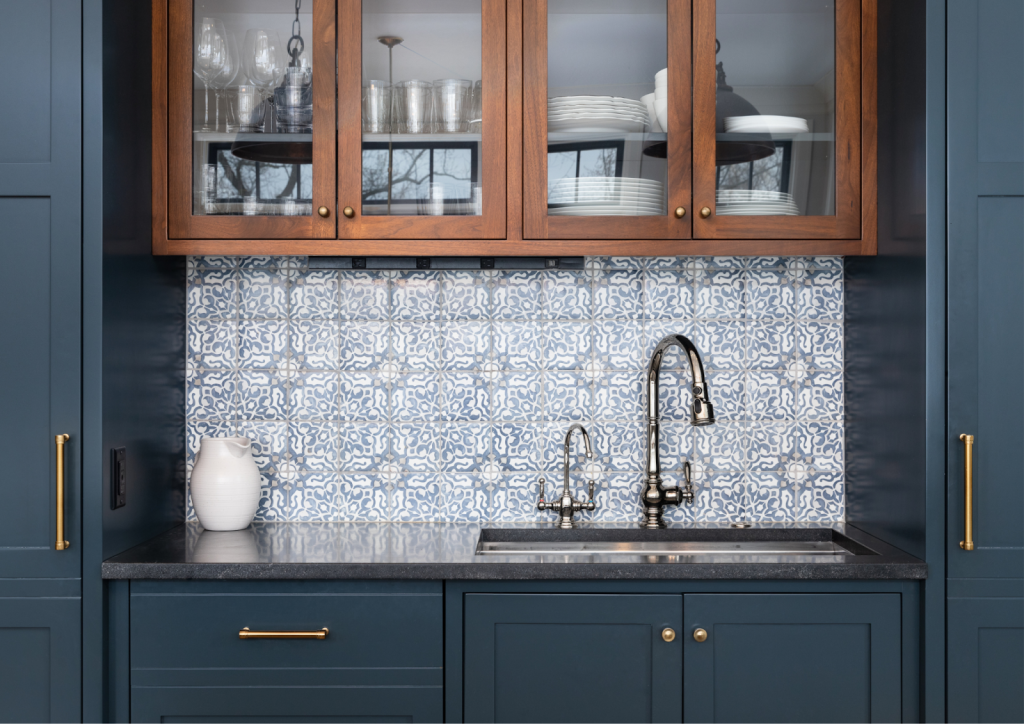
Few design elements can transform a space quite like mosaic tile design. These intricate, colorful installations have adorned homes for centuries, yet they remain perpetually fresh and versatile. Whether you’re renovating a bathroom, creating a kitchen backsplash, or adding visual interest to a bland wall, mosaic tiles offer endless decorative possibilities.
With so many options available, from glass to ceramic, marble to metal, selecting the right mosaic for your space can feel overwhelming. But don’t worry! This guide will walk you through everything you need to know to choose a design that perfectly complements your home.
Understanding Mosaic Tile Fundamentals
Before diving into specific designs, it’s helpful to understand what makes mosaic tiles special. Their rich history combines with modern manufacturing techniques to create design elements that are both timeless and contemporary.
The Rich History and Evolution
Mosaic artistry dates back thousands of years, with stunning examples found in ancient Roman villas and Byzantine churches. Today’s home tile design options have evolved from these historical roots, incorporating new materials and techniques while maintaining the traditional beauty that has captivated people for generations.
For a truly stunning installation, many homeowners turn to professional tile designers who specialize in creating custom mosaic tile layouts that perfectly complement their space. These experts can help transform simple materials into breathtaking works of art.
Types of Tiles for Every Home
When searching for the best mosaic tiles for your project, you’ll encounter various materials, each with unique properties:
- Glass tiles: Reflective and vibrant, perfect for catching light
- Porcelain and ceramic: Durable and available in countless colors
- Natural stone: Marble, travertine, and slate for organic beauty
- Metal mosaics: Contemporary accents for modern spaces
Shapes and Patterns That Define Spaces
Beyond materials, the arrangement of your tiles dramatically impacts the final look. Consider these popular patterns when choosing mosaic tiles:
- Classic squares and rectangles for traditional spaces
- Hexagons and penny rounds for vintage appeal
- Herringbone or basket weave for architectural interest
- Custom patterns for truly unique designs
When considering patterns, remember that simpler is often better, especially in smaller spaces where elaborate designs might overwhelm the eye.
Strategic Planning: Before You Choose
Thoughtful planning makes the difference between a mosaic installation you’ll love for years and one you’ll quickly tire of. Let’s examine key considerations that will guide your selection process.
Assessing Your Space and Design Needs
Before browsing tile ideas, assess:
- Room dimensions and lighting conditions
- Focal points versus background applications
- Traffic patterns for floor installations
- Indoor vs. outdoor requirements
Bright, open spaces can handle bold patterns, while smaller areas might benefit from lighter colors that expand visual space. Approximately 70% of homeowners prefer sustainable and recycled materials for renovations.
Creating a Cohesive Design Palette
For your mosaic to enhance rather than clash with your space, consider:
- Existing colors in the room
- Balance between statement pieces and neutral elements
- Color theory principles for spatial enhancement
- How tile fits into your overall design scheme
A cohesive palette creates visual harmony, making your mosaic feel like an intentional design element rather than an afterthought.
Room-Specific Mosaic Strategies
Different spaces have different requirements, affecting which mosaic tile design will work best. Let’s explore some room-specific considerations to help narrow your choices.
Kitchen Innovations with Mosaic Tiles
Kitchens present excellent opportunities for mosaic tile ideas, particularly:
- Backsplashes that complement countertops
- Island accents that create focal points
- Floor-to-ceiling applications for dramatic effect
When selecting kitchen mosaics, prioritize durability and ease of cleaning, as these spaces encounter moisture, food splatter, and heavy use.
Bathroom Transformations
Bathrooms benefit enormously from well-chosen mosaics:
- Shower enclosures with floor-to-ceiling statement walls
- Vanity backsplashes that enhance fixtures
- Floor designs that provide visual interest and safety
For wet areas, ensure your chosen tiles offer slip resistance and moisture compatibility.
Making Your Selection: A Step-by-Step Approach
With fundamentals understood, it’s time to make concrete decisions about which mosaic tile design will grace your home. Following a methodical approach helps ensure satisfaction with your final choice.
Professional Visualization Techniques
Before committing, try these visualization methods:
- Use digital tools to preview designs
- Create sample boards with material swatches
- Test lighting conditions with sample tiles
Taking time to visualize prevents costly mistakes and disappointment after installation.
Shopping Smart for Quality Tiles
Where you purchase matters as much as what you purchase:
- Specialty tile showrooms offer expert guidance
- Online retailers provide a wider selection
- Artisans create one-of-a-kind pieces
Research indicates the DIY home improvement market was valued at approximately $414 billion in 2023, with many homeowners undertaking tile projects themselves (Source: Statista).
Maintaining Your Mosaic Investment
Once installed, proper care ensures your best mosaic tiles maintain their beauty for years.
Different materials require specific cleaning protocols:
- Glass responds well to standard glass cleaners
- Natural stone often needs special pH-neutral cleansers
- Grout typically requires periodic resealing
A tile professional can recommend the best maintenance routine for your specific installation.
The Enduring Beauty of Mosaic Designs
The best mosaic tile design for your home ultimately balances personal style with practical considerations. Whether you choose sophisticated glass mosaics for a contemporary bathroom or rustic stone patterns for a kitchen backsplash, quality materials and thoughtful installation create timeless beauty.
By understanding the fundamentals, assessing your space carefully, and following a systematic selection process, you’ll create a mosaic installation that enhances your home for years to come. Remember that the right tiles don’t just decorate a space, they transform it, creating visual interest and personality that makes your house uniquely yours.
Your Mosaic Questions Addressed
1. Are mosaic tiles still on trend?
Right now, mosaics are making their way into homes as a design feature, taking tile to the next level. This art form can be abstract or represent something meaningful to the homeowner, but either way, these statement-making styles treat tile work as elevated art.
2. Do mosaic tiles make a room look bigger?
Although the big assumption behind small mosaics is that they open up a room, it is actually the opposite of that. Smaller tiles and more intricate patterns create a notion of clutter, and it makes the space feel tiny. Larger tiles or mosaic sheets have larger segments, so they provide a more expansive look.
3. How do I work out how many mosaic tiles I need?
Measure Your Surface Measure the dimensions of the surface you would like to mosaic and calculate the area using the formulas from elementary school: RECTANGLE AREA = length x width TRIANGLE AREA = 1/2 x width x height CIRCLE AREA = 0.785 x diameter x diameter 1M2 = 1000 cm sq.
4. What is the best surface for mosaic tiles?
Cement is strong, stable, and durable, making it an ideal base surface. You can add mosaic to pre-made concrete objects like birdbaths, stepping stones, and planters, or you can make your own simple shapes.