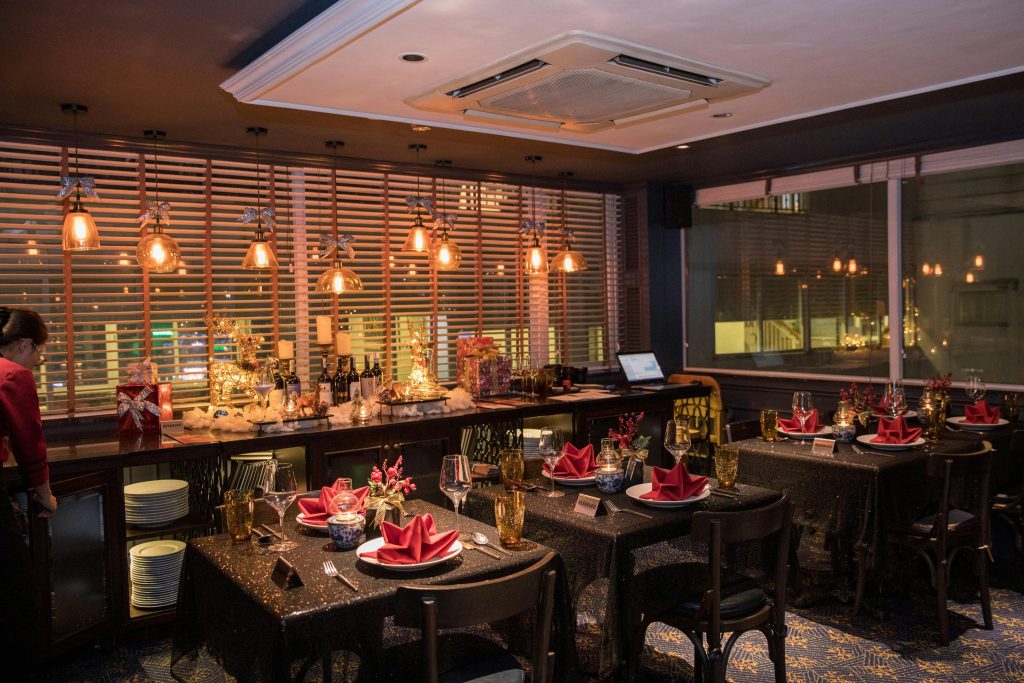
The moment you enter a café you will feel drawn to stay because of its soft lighting and pleasant music and scents. Places that have quality creates an immediate sense of home comfort for everyone who enters. The environment creates a relaxed atmosphere which allows people to talk freely to each other while time appears to move at a slower pace.
Research findings demonstrate that dining behaviour strongly depends on the atmosphere of a restaurant. Research findings from “Exploring Effective Sensory Experience in the Green Café Ambience” show how physical elements and sensory cues affect customer satisfaction and loyalty levels.
Restaurant feedback surveys demonstrate that customers base their satisfaction on three main elements which include décor choices and lighting and noise level management. The elements you choose will decide if customers will stay loyal to your business.
The following article presents established methods to create an inviting atmosphere through layout design and lighting choices and sound management and scent selection and service delivery. Your establishment can develop an atmosphere that attracts customers to visit more than once through proper design elements.
1. Understand Guest Expectations & Local Context
The process of designing your space requires knowledge about your target customers and the specific experience you want to deliver to them.
Check whether your main customer base consists of students who need study areas, professionals who need fast meals or local residents who want to socialize and tourists who explore your area.
Every atmospheric decision at your business should derive from understanding your target audience. A remote worker-oriented minimalist café requires different lighting and acoustic settings than a community-focused bistro which aims to foster social interaction.
Establish a distinct identity and mood profile for your business which should be either relaxed or upscale or quirky or minimalist or rustic or contemporary.
Perform a basic assessment of your space by experiencing it as if you were a new customer. Observe the emotions you experience while noting the areas where you feel at ease and the spaces that make you uncomfortable. What aspects of the customer journey create obstacles for the customer?
Observe different restaurants in your area with a new perspective. The elements which make you stay for another coffee become apparent during your visit. The elements that drive you to depart immediately become visible during your visit. Record every element which affects your emotional response.
A simple feedback system using surveys and QR codes should be implemented to collect customer feedback. The survey should ask specific questions about lighting quality and the initial impression of the space when customers enter.
Short surveys produce better response rates because they deliver useful information for improvement.
2. Four Pillars of Atmosphere
Layout & Spatial Flow
Your physical layout sets the foundation for everything else. Start with creating a clear, welcoming entrance featuring a “landing zone.” This space gives guests room to pause, be greeted, and orient themselves without feeling rushed.
Design sightlines that allow views into interesting areas:
- Your coffee bar where baristas work
- Open kitchen spaces
- Featured seating areas
- Unique design elements that reflect your brand
The arrangement of elements in your space creates visual appeal which helps guests navigate your area without feeling confused.
Different seating areas should be designed to meet various customer requirements. The dining area should include communal tables for group dining and separate nooks for couples and two-person tables for friends or business meetings and bar seating for individual patrons.
The pathways between spaces need to maintain a comfortable width to prevent congestion. People should be able to walk through the space without touching furniture or other customers.
The combination of natural light with proper ventilation systems enables restaurants to reduce their dependence on artificial lighting systems. The space becomes more welcoming when it maintains a connection to outdoor elements through proper ventilation and natural light.
The restaurant should use display solutions which include brochure holders for menus and poster frames to show daily specials and local artwork. The elements serve as directional tools for customers while displaying promotions and creating visual appeal.
Lighting & Colour
Lighting systems have a direct impact on how people feel and what they do. The use of warm lighting produces a comfortable atmosphere which makes people feel at ease.
The atmosphere of cool-toned spaces appears energetic yet their brightness might become overwhelming when dining in the evening.
The three types of lighting should be used together to create a complete lighting system which includes ambient lighting for general illumination and task lighting for specific activities and accent lighting to showcase artwork and architectural details.
The installation of dimmer switches enables you to modify the lighting levels according to your service needs. The morning rush requires customers to have bright lighting for their efficiency needs.
The establishment of soft lighting creates an inviting atmosphere which draws customers during evening hours.
The visual interest of your space increases when you use accent walls and rotating artwork and live plants to break up monotonous areas. Soft green and earth-toned colours according to colour psychology create relaxation while orange and red tones activate hunger and social interaction.
Sound & Acoustics
Sound impacts comfort levels dramatically. Your background music should enhance conversation rather than competing with it or forcing people to raise their voices.
The optimal noise level allows easy conversation at normal speaking volumes.
Incorporate sound-absorbing materials strategically:
- Quality carpets that reduce footstep noise
- Heavy curtains that soften acoustics
- Acoustic panels disguised as artwork
- Upholstered furniture that dampens sound
The sound of conversation becomes challenging during peak hours because concrete floors and bare walls produce echo effects which boost noise levels. The background music selection should align with your brand identity.
The music tempo and volume should be adjusted according to the different service times.
The fast-paced music helps customers finish their meals quickly during lunch hours. The relaxing atmosphere of slow music encourages customers to extend their stay longer.
Scent & Other Sensory Elements
Create a pleasant base scent which will enhance the experience without overwhelming your guests. The combination of fresh bread scents with mild coffee and subtle vanilla notes creates an excellent choice for background aromas.
The use of strong artificial fragrances should be avoided because they create unpleasant feelings in guests.
The use of seasonal scents and menu-themed fragrances should be considered for ambient scent rotation. The scent of spring should include light floral notes yet autumn should introduce warm spices.
The sensory experiences that guests encounter through touch and sight need your attention. The combination of smooth wood surfaces and comfortable upholstery and pleasant table materials create an enhanced dining experience for guests.
The addition of potted plants and herb gardens serves as a way to bring living greenery into your space. The combination of visual serenity with air purification benefits and natural environment connections makes these elements beneficial for guests.
3. Staff Behaviour & Service Experience
Guest perceptions heavily depend on their first encounter with a business. The initial welcome experience depends on friendly greetings and clear signage and approachable body language.
The staff should learn “ambient caregiving” techniques which include providing blankets during cold weather and adjusting lighting and water glass refills and unobtrusive guest checks.
The timing of service delivery plays a crucial role in the overall customer experience. The delivery of food and drinks should maintain a peaceful rhythm throughout all service times.
The feeling of stress that guests experience during rushed service becomes their lasting negative impression.
Staff members should perform table checks without interrupting guests while they maintain a discreet approach to guest needs assessment. Staff members need training to develop their ability to detect customer signals which will help them provide suitable responses for various situations.
The service delivery method needs to remain constant throughout all interactions. All staff members need to present the same welcoming attitude through their spoken words and their dress code and their communication approach. The delivery of conflicting messages to customers leads to confusion which weakens your brand identity.
4. Onboarding & Guest Rituals
Establish small “moments of ritual” that guests associate with your establishment. A welcome drink, seasonal greeting, or signature presentation creates connection and sets you apart.
Design menus that are visually clean and easy to scan.
Develop signature elements:
- Custom playlists that reflect your personality
- Rotating local art displays
- Unique furniture or table setting touches
- Seasonal decorations that feel authentic
Decide whether you want to encourage extended stays. Power outlets, comfortable seating, reliable Wi-Fi, and clear laptop policies signal whether extended visits are welcome.
5. Test, Iterate & Listen
The establishment should conduct brief surveys containing 5 to 8 questions which focus on guest comfort and ambience. The short survey format leads to better response rates and authentic feedback from participants.
The open-ended question “What one small change would make your visit more pleasant?” helps you discover valuable information that traditional survey questions cannot detect.
Track the amount of time guests spend at your location before and after introducing new changes to assess their effectiveness. The recorded data shows whether your implemented changes produce the desired outcomes.
Check online reviews and social media platforms for any comments about the atmosphere and comfort level of your establishment. Your space receives genuine feedback through the comments left by your customers.
The A/B testing method allows you to evaluate the impact of specific changes including lighting adjustments and music selection and furniture arrangements. The recorded results will help you determine which solutions deliver the best results for your customer base.
At the end:
A welcoming atmosphere depends on proper arrangement of space and proper illumination and sound management and scent control and quality service delivery. Start by learning about your target audience and establishing a specific atmosphere you want to create.
Select one atmospheric enhancement to introduce this week and watch how visitors respond to it. Share images of your improvements with loyal customers to get their genuine opinions about the changes they detect and value.