Food gets people through the door.
But drinks are what keep them coming back.
Across Australia, cafés and casual dining venues are rethinking their beverage menus. It is no longer just about espresso quality or how fancy the milk options are. Customers now expect variety. They want drinks that match different moods, times of day, and dietary preferences.
A well-planned drink menu quietly increases dwell time, average spend, and brand loyalty.
Why Drinks Influence Customer Behaviour
People sit longer when they enjoy what they are drinking.
Longer stays often mean:
- Another round ordered
- Dessert added
- A return visit planned
Drinks create emotional connection. A comforting tea during a rainy afternoon. A refreshing iced drink on a warm day. These moments stay in memory longer than a quick takeaway coffee.
Smart operators design menus around these experiences.
The Shift Away From One-Dimensional Menus
Ten years ago, most venues survived with:
- Espresso
- Flat white
- Cappuccino
- Black tea
- That no longer works.
Today’s customers include:
- Non-coffee drinkers
- People reducing caffeine
- Guests with digestive sensitivities
- Wellness-focused diners
When menus ignore these groups, they walk away.
When menus include them, they stay loyal
Building a Menu That Feels Considered
Modern menus focus on balance.
Strong coffee options stay.
But they are supported by:
- Herbal infusions
- Caffeine-free blends
- Light functional drinks
This shows thoughtfulness. It tells customers you understand different needs.
One café owner in Melbourne shared how adding just two non-coffee options increased afternoon orders. People who usually left after lunch started staying longer. That extra time turned into extra sales.
Where Quality Sourcing Makes a Difference
Guests can tell when drinks are an afterthought.
Cheap sachets. Flat flavours. No aroma.
It reflects badly on the whole menu.
On the other hand, when cafés source proper blends, the difference is obvious. The colour is richer. The smell is inviting. The flavour feels layered.
Some venues now work with boutique suppliers like kintra tea to bring something more premium to their menu without overcomplicating operations. It allows staff to offer alternatives confidently, rather than apologising for limited choices.
This feels natural, not promotional. It fits into real café service.
Staff Confidence Drives Sales
When staff understand what they are serving, customers trust their recommendations.
Instead of saying:
“We also have herbal tea…”
They say:
“If you want something warm without caffeine, this blend is really popular after lunch.”
That shift changes everything.
Confidence sells.
Not upselling.
Just honest guidance.
Designing Drinks Around Customer Moments
Think about when people visit:
Morning rush
coffee still dominates
Late lunch
lighter drinks preferred
Afternoon
caffeine alternatives matter
Evening
calming options become essential
Menus that follow this rhythm feel intuitive. Customers do not need to ask. They just order.
Presentation Still Matters
Drinks should look as good as they taste.
Clear glass cups.
Proper teapots.
Simple garnishes.
People take photos.
They share.
Your venue gets free marketing.
Small details create premium perception.
Profit Without Pressure
Herbal and specialty drinks usually have:
- Low ingredient cost
- High perceived value
- Minimal wastage
That means better margins without raising prices.
For owners, this is smart business.
For customers, it feels like choice.
Why This Matters Long Term
Venues that adapt survive.
Venues that stay stuck disappear.
Consumer habits change constantly.
Menus must evolve with them.
It is not about chasing trends.
It is about listening to customers.
Final Thoughts
A good drink menu does more than fill cups.
It shapes how people feel in your space.
When customers feel considered, they return.
When they return, your business grows.
Sometimes, the smartest upgrades are the quiet ones.
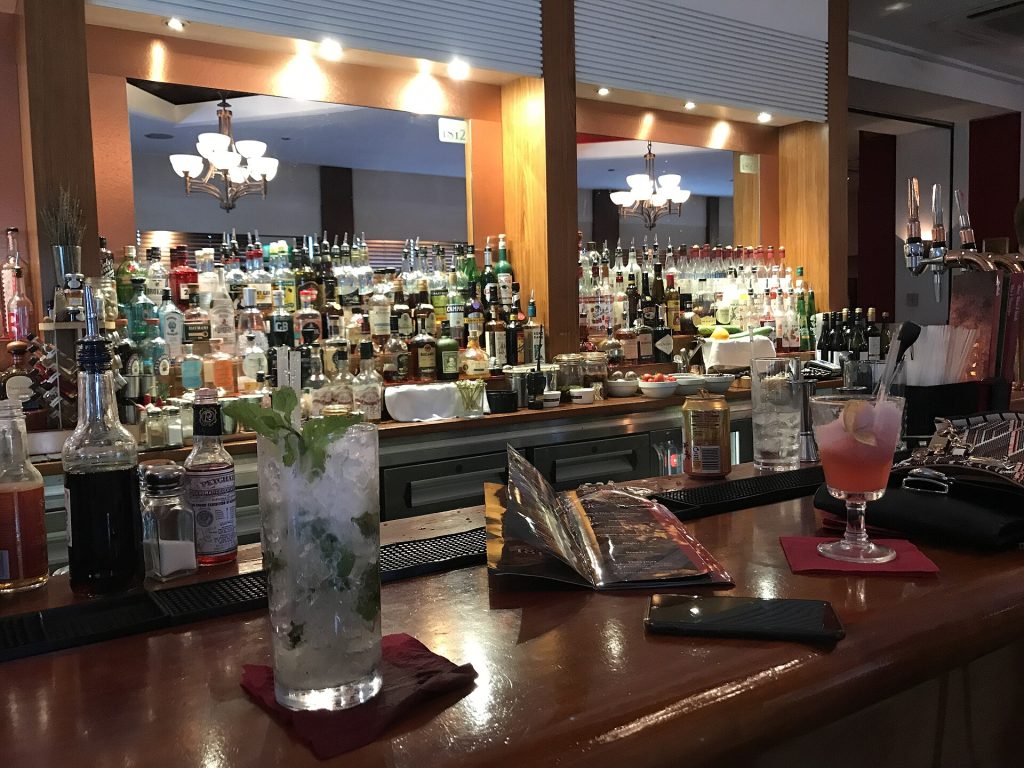
Featured photo: The 1812 cocktail bar – geograph.org.uk – 5518559 by Jonathan Hutchins, BY-SA 2.0.