Let’s face it—every seller has at least one product image they hate but can’t afford to retake. Maybe the light was off, the shadows were weird, or the color looked more ‘meh’ than ‘wow.’ Reshoots? Expensive. Time-consuming. Sometimes impossible if the product is gone or you’ve already published the listing.
But here’s the good news: your product photos don’t have to stay stuck in the dull zone. With Pippit’s editing tools, even the most lifeless image can get a second chance—no studio lights, no reshoots, and absolutely no stress. If your images were pulled from a video, you can start instantly by pasting the URL to video into Pippit’s frame capture tool to select a sharp still.
This isn’t just about ‘fixing’ your photos. It involves combining pro-level lighting, saturation, and shadow control—all enabled by user-friendly AI—to transform flat product photos into scroll-stoppers.
Flat is out: why ‘good enough’ product shots won’t convert
You might think your product looks ‘fine’ in that image. It’s centered, clean, and technically visible. However, here is what you could overlook:
- Flat light = no texture: If your lighting is too even, your product might look boring or plasticky, especially in thumbnail view.
- Muted colors = lost detail: Poor saturation dulls fabric, hides shimmer, and underplays key product details.
- No shadows = no depth: Without shadows, your image looks like a 2D cutout. When a product feels authentic, people are more likely to trust it.
E-commerce is a crowded scroll-fest. Your image is your handshake. And you’ve got milliseconds to say, ‘This one’s worth clicking.’
Saturation: your product’s silent hype man
You don’t need to neon-blast your image, but a subtle bump in saturation can make all the difference. It’s the color pop that makes leather gleam, dresses feel vibrant, or makeup shades appear accurate.
Here’s when to add a touch of saturation:
- Bright or white backgrounds: A saturated product stands out against minimal backgrounds.
- Textured materials: Like knitwear, woodgrain, or glitter—these catch light better with enhanced color.
- Flat color products: T-shirts, mugs, journals—any product with a single tone benefits from a richer hue.
But tread lightly. Oversaturation can make products look fake or overly edited. In Pippit’s image enhancer online tool, use the ‘Vivid Boost’ setting sparingly, and compare before-and-after previews to ensure realism.
How shadows transform ordinary postings into moments of luxury
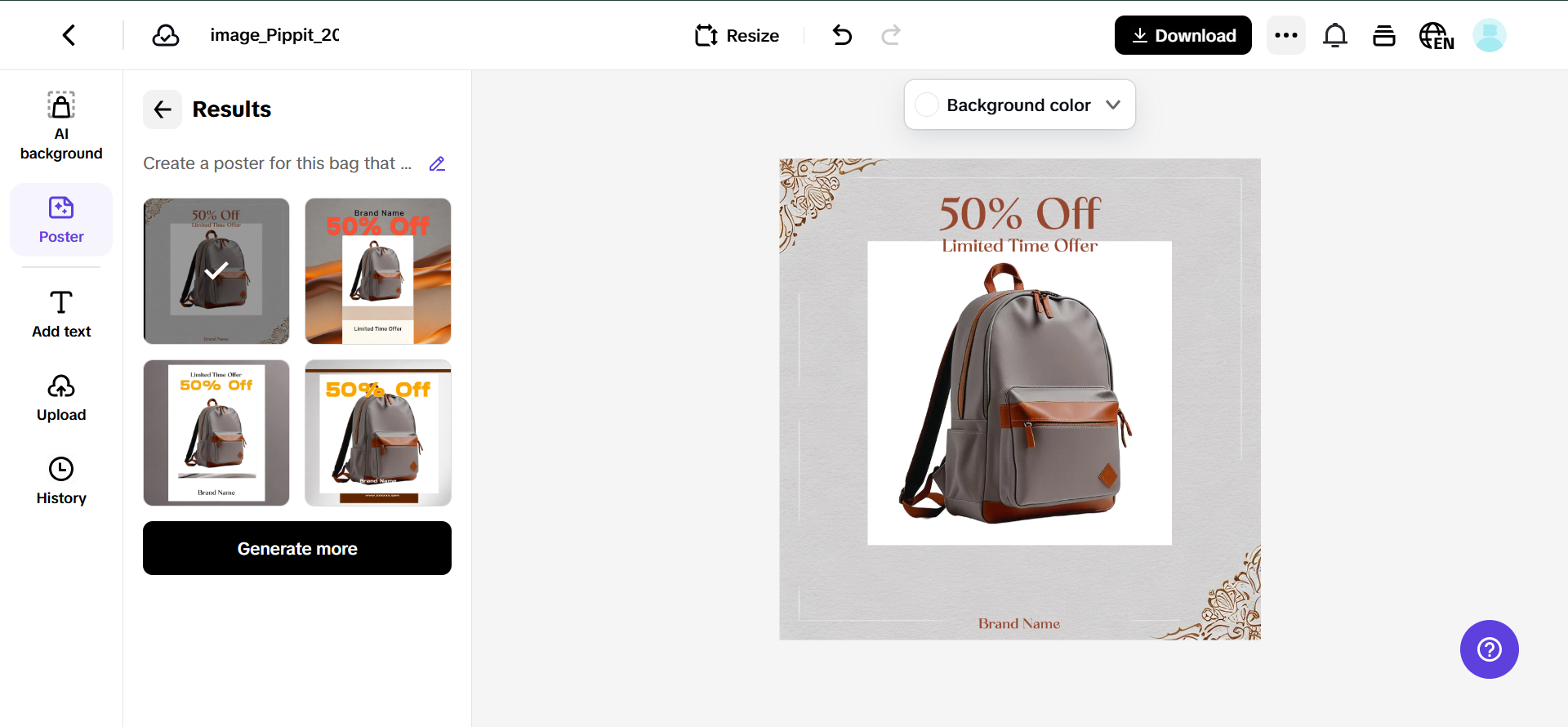
Adding or deepening shadows isn’t just about looking fancy—it’s about establishing value. Subtle drop shadows or natural gradients under the product help ground it in space. It says: ‘This is real. It exists. You can trust it.’
Consider these shadow strategies:
- Directional shadows: For a posh, catalog-style appearance, slightly slant the product’s shadow.
- Soft glow around edges: Helps products stand out from white backgrounds without looking cut out.
- Bottom-weighted shadows: Useful for shoes, furniture, or skincare jars—adds dimension and realism.
With Pippit, shadow editing doesn’t require Photoshop skills. You can apply intelligent presets or manually slide the ‘Shadow Depth’ or ‘Light Source Angle’ to simulate a natural environment.
Lighting fixes that save product photos from the recycle bin
One of the main causes of poor product photography is frequently lighting. But rather than trying to recreate studio lighting in your living room (we’ve all tried), you can digitally rebalance your image with these tricks:
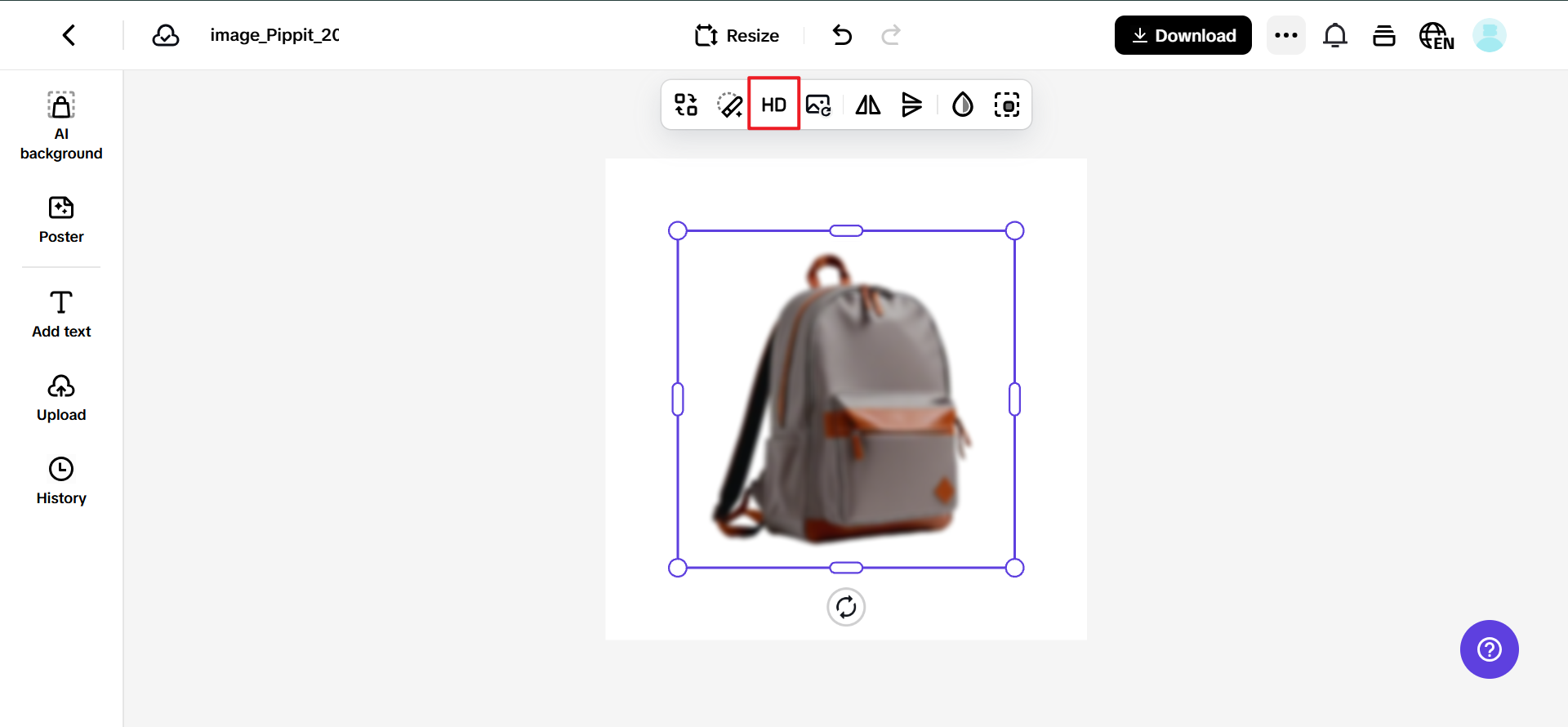
- Use ‘Auto Light Balance’ to correct uneven brightness and recover details lost in glare.
- Highlight recovery brings back definition on shiny surfaces like jewelry or packaging.
- Midtone warming makes metal look richer and textiles appear softer.
For product images that were taken on a rainy day or under poor indoor light, these changes can be transformational. You don’t need to relight the scene—just relight the pixels.
What if your image came from a video?
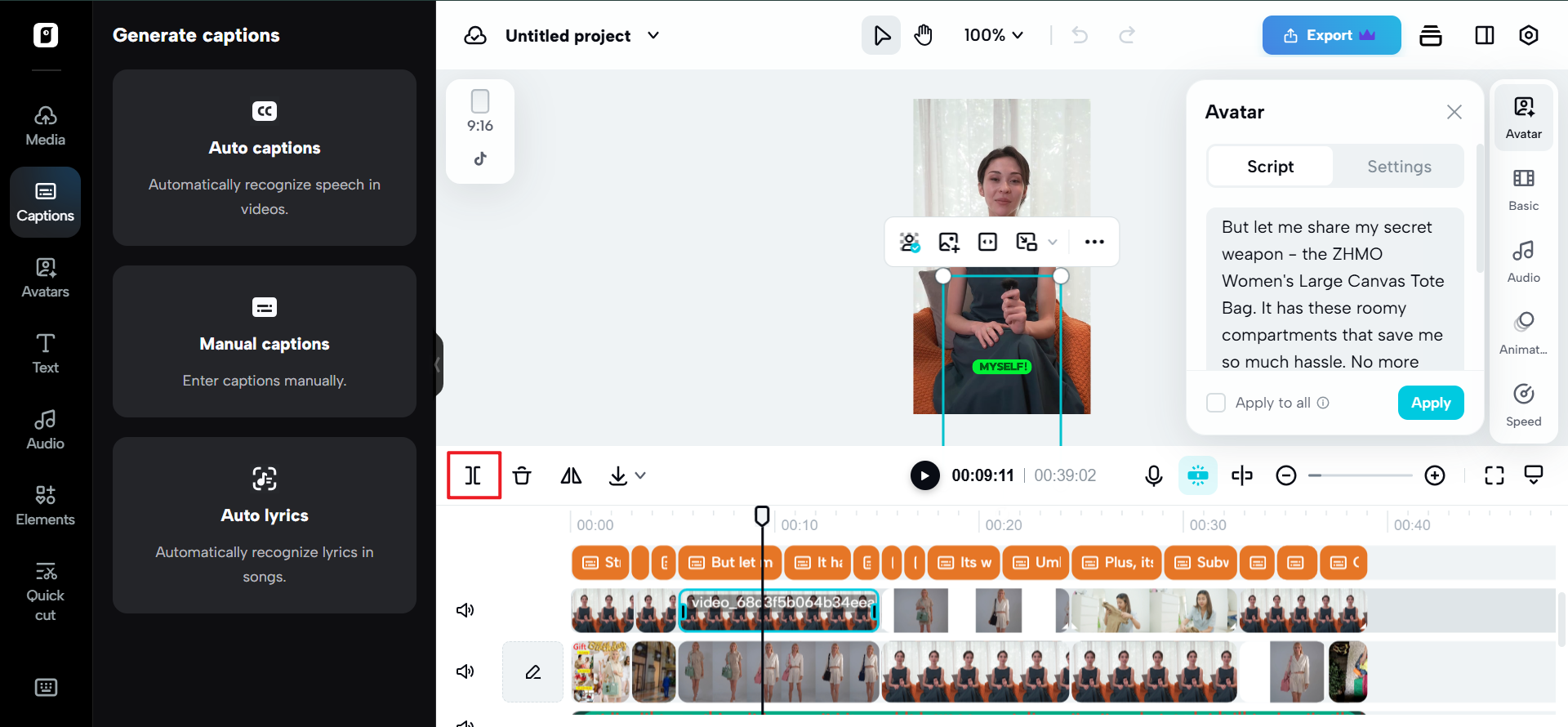
Product videos are great—until you realize you forgot to take still shots for your listings. Don’t worry. Just use Pippit’s URL to the video tool to extract high-resolution frames. You can pause at the best angle, choose the sharpest moment, and enhance it from there.
And if you have long product walkthroughs or unboxings? Trim out everything but the hero moment using Pippit’s video trimmer, then grab the best stills. You just repurposed one video into five new product images.
It’s efficient. It’s budget-friendly. It’s smart content recycling.
Glow-up checklist: What to ask yourself before publishing your image
Before you hit ‘Upload’ on your marketplace or shop, run your image through this five-point glow-up test:
- Does the product pop from the background? If not, adjust the shadow or contrast.
- Are the colors accurate and appealing? Saturation should enhance, not distort.
- Is there depth? Add dimension with soft shadows or highlights.
- Does it feel tactile? Your customer should imagine holding it.
- Would you click it in a crowded feed? If not, you know what to do.
This quick self-check can increase your chances of grabbing attention and building trust with potential buyers.
Pippit: The image upgrade your shop deserves
You don’t need fancy lighting rigs or an in-house design team to make your products shine. You just need a tool that makes flat images feel rich, clickable, and professionally edited.
With Pippit, you can extract stills, enhance light, rework shadows, fix dullness, and bring emotional tone to your images—all in one browser tab. From color to texture, lighting to detail, Pippit helps every product find its best angle.
Ready to turn ‘meh’ into mesmerizing? Try Pippit today and give your product photos the glow-up they deserve.