How Temperature Affects Brandy
Temperature controls which compounds volatilize and reach the nose and palate. This scientific reality creates the practical differences between serving methods.Aroma Release Patterns
Warmth accelerates evaporation of aromatic compounds. Neat brandy at room temperature releases its full aromatic spectrum immediately. The nose encounters lighter floral and fruit notes first, followed by deeper oak and spice characteristics. This layered revelation allows complete aromatic evaluation. Cold temperatures suppress volatilization. Brandy served over ice releases fewer aromatic compounds initially. The nose receives a more focused, concentrated impression rather than the full spectrum. As the ice melts and the brandy warms slightly, additional aromatics emerge gradually. This creates a changing aromatic experience throughout consumption.Flavor Perception Changes
The palate perceives flavors differently at varying temperatures. Room temperature brandy delivers maximum flavor intensity. All taste components appear in full strength from sweetness through bitterness. The alcohol warmth enhances the sensation of body and richness. Chilled brandy mutes extreme flavors while emphasizing middle tones. Excessive sweetness becomes balanced. Sharp alcohol burn diminishes. The overall impression shifts toward smoothness and integration rather than distinct flavor layers. This appeals to those who find room temperature brandy too intense.Texture Modifications
Temperature affects viscosity and mouthfeel perception. Neat brandy at 18-20°C demonstrates its full body and texture. The liquid coats the palate with noticeable weight. Aged expressions particularly show their silky, rounded character at this temperature. Ice service creates different textural experiences. Initial cold temperature makes the brandy feel thinner and more refreshing. As ice melts, dilution further reduces viscosity. Some find this lighter texture more approachable while others feel it diminishes the brandy’s presence.Neat Service Characteristics
Serving brandy neat reveals its character without modification. This traditional approach allows complete evaluation but demands attention and proper technique.Optimal Conditions for Neat Service
Room temperature generally means 18-20°C for brandy service. This range maximizes aromatic expression without emphasizing alcohol harshness. Brandy colder than 18°C shows muted aromatics. Brandy warmer than 20°C can smell overly alcoholic. Glassware selection matters significantly for neat service:- Tulip-shaped glasses concentrate aromatics toward the nose while the narrow opening prevents excessive evaporation.
- Snifters allow warming in the palm but their wide mouth disperses aromatics more quickly than tulip glasses.
- Small copita glasses work well for evaluation and tasting where precise aroma assessment matters.
- Avoid wide-mouthed tumblers that lose aromatics immediately.
Which ARARAT Expressions Benefit from Neat Service
Premium aged expressions demand neat service to justify their complexity and price. ARARAT Nairi at twenty years contains eighteen different distillates that create layers demanding attention. Ice would obscure these subtle interactions. ARARAT Vaspurakan at fifteen years shows refined balance that cold temperatures would disturb. The Flavors collection presents an interesting case. ARARAT Coffee, Cherry, and Honey contain distinct flavor additions that neat service presents clearly. However, these expressions at 30% alcohol also work on ice where the added flavors remain perceptible despite cold temperatures. Young expressions like ARARAT 3 Stars or 5 Stars work well neat when you want to understand their character fully. However, these lighter brandies also tolerate ice service better than aged expressions because they have less complexity to lose.The Tasting Ritual
Neat service encourages contemplative consumption. The drinker must attend to the brandy rather than treating it as background. This suits quiet moments, serious evaluation, or special occasions where the brandy deserves focus. Pour the brandy and let it rest for a minute. This allows initial volatile alcohols to dissipate. Swirl gently to release aromatics. Take short sniffs rather than deep inhalations. The first sip should be small, coating the entire palate. Subsequent sips reveal additional layers as the palate adjusts to the alcohol.On-Ice Service Characteristics
Adding ice transforms brandy into a more casual, refreshing drink. This approach has gained acceptance even among traditional brandy drinkers who once considered it inappropriate.How Ice Affects the Drinking Experience
Ice creates two simultaneous effects that work together to change perception. Cold temperature immediately suppresses certain flavors while emphasizing others. Gradual dilution from melting ice progressively reduces alcohol strength and intensity. The dilution factor deserves specific attention:- Initial dilution of 10-15% opens up the brandy by reducing alcohol burn without significant flavor loss.
- Moderate dilution of 20-30% creates a lighter, more refreshing drink that maintains core character.
- Heavy dilution beyond 30% reduces the brandy to a faint shadow of its original profile.
- The rate of dilution depends on ice size, quantity, and ambient temperature.
Ice Types and Their Impact
Standard ice cubes from home freezers melt relatively quickly. They provide good initial cooling but dilute the brandy rapidly. This works for casual drinking but less well when you want to control dilution. Large format ice offers better control over the experience:- Single large cubes or spheres melt much slower than multiple small cubes while providing similar cooling.
- The slower melt rate means you can enjoy the brandy cold longer before significant dilution occurs.
- Large ice works particularly well for expensive or aged brandies where you want cold temperature without rapid dilution.
- Making large ice at home requires special molds but the investment improves on-ice service significantly.
Which ARARAT Expressions Work On Ice
Young to middle-aged expressions tolerate ice service better than premium aged brandies. ARARAT 3 Stars and 5 Stars remain enjoyable on ice because their simpler profiles survive dilution. The fresh fruit character persists even when chilled and diluted. ARARAT Ani at seven years old represents a middle ground. On ice, it becomes more approachable for those who find neat brandy too strong. However, some of the dried fruit complexity diminishes with cold temperature. The Flavors collection particularly suits ice service. ARARAT Apricot becomes a refreshing summer drink over ice. ARARAT Coffee creates an interesting iced coffee-brandy mix. ARARAT Honey’s sweetness balances well when diluted. These flavored expressions maintain their distinctive character despite temperature and dilution effects. Premium expressions from fifteen to twenty years lose too much complexity on ice for most serious drinkers. However, personal preference trumps conventional wisdom. If you prefer ARARAT Nairi on ice despite the loss of nuance, that choice remains valid.Finding Your Personal Preference
Discovering whether you prefer neat or on-ice service requires systematic exploration rather than assumption. Conduct a structured comparison to identify your preference:- Select one ARARAT expression to test both ways on the same occasion.
- Pour equal amounts neat and over ice using the same glassware type.
- Taste neat first when your palate is fresh and unaffected.
- Wait several minutes before tasting the ice version to reset your palate.
- Note specific differences in aroma, flavor, and overall appeal.
- Repeat with different expressions at different ages to see how preference varies.
Conclusion
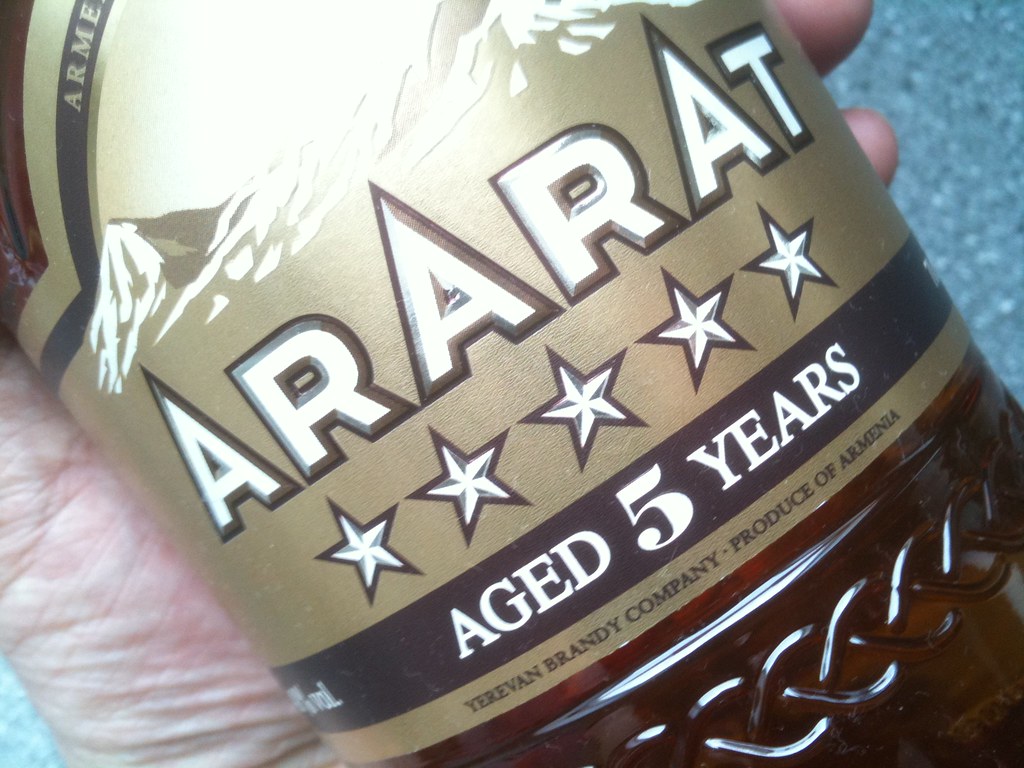
Neat service reveals ARARAT brandy’s complete character through maximum aroma release and flavor intensity. This traditional approach suits premium aged expressions, serious tasting, and cold weather contexts. Ice service works well for young expressions, warm weather, and casual drinking. Personal preference ultimately matters more than convention, and the same person may prefer different approaches for different expressions and contexts. Systematic exploration through side-by-side comparison allows discovery of your own preferences across ARARAT’s range.Featured photo: Ararat – Armenian brandy (5yrs) by mortsan, BY 2.0.