A restaurant video opens with tomatoes falling in slow motion, a knife crossing a board, and a finished plate under flattering light. The caption calls the dish fresh, vibrant, and made with care. Almost any restaurant could use the same sequence. The missing ingredient is a decision that belongs to this kitchen.
A more useful starting question is simple: what does the cook do differently because of how this dish should eat? The answer might concern assembly, texture, portioning, or the way two components meet. Find one choice that can be shown. It tells the filmmaker which action to stay with when there is time to capture only a few shots.
Ask The Cook About A Choice You Can Film
Imagine a small restaurant serving tomato toast. This is a hypothetical example, not a recipe or a report from a working kitchen. The cook wants the bread to retain some crispness, so the topping is added near the moment the plate leaves the counter. The story is in that assembly choice and the problem it addresses.
Ask what would happen if the dish were assembled earlier. Then ask the cook to show the stage at which they decide it is ready to finish. Those questions are more productive than “What makes your food special?” They invite an explanation of a visible practice rather than a string of adjectives a scriptwriter could have supplied without visiting.
The answer may be less romantic than expected. A component might be held separately because the counter is crowded, not because of a family tradition. Use the real explanation if it serves the film. Do not invent an inherited recipe, a local supplier, or an emotional origin story to make an ordinary decision seem important.
Put the cook’s explanation beside the action it describes. In Laper, separate dialogue and action elements let the reviewer check the spoken line against the planned assembly shot. Mark the actual words from the interview and distinguish them from proposed narration. That helps the reviewer see when a sentence is the cook’s account and when the filmmaker has added an interpretation.
Build The Scene Around Preparation And Assembly
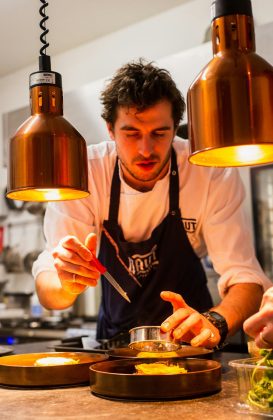
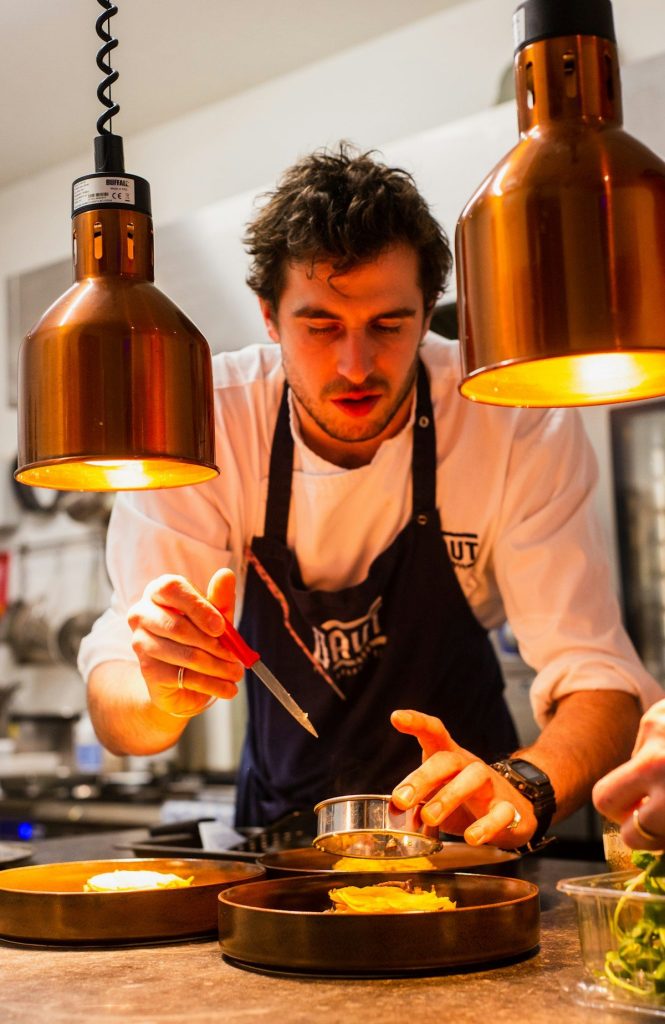
Once the choice is clear, the camera has something to follow. The tomatoes remain separate while the base is prepared. A hand reaches for the topping only when the plate is ready to move. The finished toast follows that action. The sequence can be short, but it now explains why the components were apart.
Show The Separate Components Before The Finished Dish
A finished plate cannot show the timing of its own assembly. Record the relevant preparation stage and the move that completes it. For this example, that could mean a view of the prepared bread beside the bowl of topping, followed by the final assembly. A close-up of a tomato skin may look good, but it does not answer the timing question.
Keep the work recognisable. If the cook normally assembles the dish at a particular station, filming it at a decorative table changes the context. A staged demonstration can still explain the process, but the team should know it is a demonstration and avoid presenting it as an untouched moment of live service.
Let The Cook Explain The Relevant Consequence
The spoken line needs to connect the visible choice to the intended result. “We finish it when the plate is ready to go” tells viewers what the action means. The cook may have a more natural way of saying it. Preserve that phrasing if it is clear, rather than replacing it with a sentence about a commitment to excellence.
An AI Script Writer can offer shorter narration around the interview, provided the request includes the confirmed choice and the actual footage available. Ask for a transition from preparation to assembly. Reject a line claiming that guests always prefer the result, or that the method guarantees a quality the filming has not established.
Laper can also keep shot planning attached to a selected screenplay scene. For this dish story, that lets the writer review the preparation and assembly as one sequence instead of treating each image as a separate promotional idea. The planning does not supply real footage or confirm that a shot is practical in this restaurant.
Plan A Demonstration That Fits The Kitchen
Before filming, ask when the chosen action can be demonstrated without disrupting the team’s work. A quiet setup with the cook may explain the assembly more clearly than trying to capture it during a crowded service. Choose the arrangement with the restaurant rather than assuming that authenticity requires filming at the busiest moment.
Keep the planned coverage narrow. You need the components before assembly, the decisive action, and enough of the result to make the explanation understandable. Record additional details if they support a transition, but do not turn the session into a catalogue of every ingredient and tool in the kitchen.
If a shot cannot be repeated, decide what you must see before the cook starts. The plate may leave the counter quickly, and rebuilding the moment can change the food’s appearance. A simple discussion of camera position is more useful than asking the cook to repeat the action indefinitely for slight visual variations.
Listen for the point where the topping reaches the toast. You might keep that sound under the cook’s explanation or leave a brief gap in the voiceover. A loud music bed at the same moment could obscure the action the scene was built to show. Read the draft aloud over the planned sequence. If the narration merely repeats the image, leave room for the cook’s words or the action itself.
Remove Claims The Finished Plate Cannot Support
During the edit, check every line against the material gathered. A cook explaining assembly timing does not establish where the tomatoes were grown. A close-up of a clean plate does not establish that guests finished the dish. These details can enter a video almost casually because they fit familiar restaurant advertising.
Use Laper for a targeted wording pass if the narration has become crowded. Preserve the confirmed kitchen decision and ask which lines duplicate the pictures. Keep the source interview available for checking the cook’s meaning. A smoother sentence is not worth turning a modest explanation into a claim the restaurant did not make.
Show the rough sequence to the cook and the person responsible for the menu description. Ask whether the film represents the dish currently served, including its assembly and portion. If the kitchen has changed the preparation since the interview, update the story before polishing the colour or captions.
If the rough cut could advertise almost any dish, compare it with the interview notes. Perhaps the cook explained when the topping is added, but the edit kept only the word “fresh.” Restore the assembly action and the line that explains it before adding another beauty shot.
Give Diners One Detail They Can Recognize
A short dish film does not need to explain the whole restaurant. It can give someone one concrete thing to notice when the plate arrives: how the topping meets the base, why the components stay separate, or what the cook chooses at the final moment.
This approach suits a kitchen willing to show and explain a real decision. It is less useful when there is no confirmed practice behind the proposed story. Keep the claim modest, let the action carry it, and leave viewers with a reason to recognise this dish rather than another promise that the food is unforgettable.