In a food recall, restaurants need to make four moves fast: confirm whether the affected lot is in your building, pull it from use and segregate it, record what you found, and settle the credit with your distributor. Everything else, from alert subscriptions to lot-code logs, exists to make those four moves fast.
This checklist covers how recalls are announced in the United States, what the recall classes mean, and what a kitchen should do before, during and after one. Print it, adapt it to your menu, and keep it with your food safety plan.
Key takeaways
- FDA oversees most foods; meat, poultry and processed egg products are regulated by USDA, whose Food Safety and Inspection Service handles those recalls.
- Class I is the most serious recall class: a reasonable probability of serious adverse health consequences or death.
- The FDA’s public recall list is built from press releases and notices, and the agency says not all recalls appear there.
- Match lot codes, dates and pack sizes exactly before you discard anything, and segregate suspect stock with a clear label.
- Photograph, count and log everything you pull. That record supports your supplier credit and any inspector’s questions.
In this guide
- Who announces a recall, and where
- Recall classes and what they tell you
- Before a recall: the standing checklist
- The day a recall hits: the response checklist
- Documentation and supplier credits
- Talking to guests and staff
- FAQ
- Run a mock recall this month
Who announces a recall, and where
Two federal agencies split the job. According to the FDA’s consumer guide, Food Recalls: What You Need to Know, FDA regulates all foods except meat, poultry and processed egg products, which are regulated by the U.S. Department of Agriculture. So a recall of bagged salad, cheese, spices or seafood usually comes through FDA, while ground beef, deli turkey or liquid egg products come through USDA’s Food Safety and Inspection Service (FSIS).
Most recalls are not ordered by government. The FDA’s recall definitions page says recalls may be conducted on a firm’s own initiative, by FDA request, or by FDA order under statutory authority. In practice that means the first word often reaches you from the manufacturer or your distributor, sometimes before the public announcement.
The channels to watch
- FDA’s public list. The Recalls, Market Withdrawals and Safety Alerts page gathers press releases and other public notices. The FDA notes that not all recalls have press releases or are posted there.
- FDA email alerts. The same page offers a sign-up for recall emails through GovDelivery, plus RSS feeds.
- The FDA Enforcement Report. The FDA’s consumer guide points to it as the place where recalls of FDA-regulated products can be found.
- USDA FSIS. Meat, poultry and egg product recalls are announced by FSIS rather than FDA, so subscribe to both agencies.
- Your distributor and manufacturers. Ask each supplier how it notifies customers and make sure the contact it holds for you is monitored every day.
Recall classes and what they tell you
The class tells you how urgent the hazard is, not how much work the recall will be. FDA and FSIS use three classes with very similar wording. FSIS’s recall plan guidance for meat and poultry businesses defines them in terms of eating the product; FDA’s definitions refer to use of or exposure to the product.
| Class | FDA definition (summarised) | What it means in your kitchen |
|---|---|---|
| Class I | Reasonable probability that the product will cause serious adverse health consequences or death | Stop using it immediately, across every location and prep area |
| Class II | May cause temporary or medically reversible health consequences, or serious harm is remote | Pull and segregate the same day; treat it as a real hazard |
| Class III | Not likely to cause adverse health consequences | Pull it; often a labelling or quality issue, but still not usable |
| Market withdrawal | A minor violation not subject to FDA legal action; the firm removes or corrects the product | Follow the supplier’s instructions and log it |
Read the reason for the recall as closely as the class. An undeclared allergen calls for a different response from a pathogen.
A recall notice is only as useful as your ability to find the exact lot in your own walk-in within ten minutes.
Before a recall: the standing checklist
The work you do on a quiet week decides how a recall week goes. FSIS’s recall guidance for processors stresses records and product coding as the tools that make tracing possible, and the same logic applies on the receiving end of the supply chain.
- ☐ Subscribe a shared inbox, not one manager’s personal address, to FDA and FSIS recall emails.
- ☐ Keep a current supplier list with a named contact and after-hours number for each distributor.
- ☐ Record lot codes, pack dates or use-by dates at receiving for high-risk items such as leafy greens, sprouts, soft cheeses, deli meats, ground meat and nut products.
- ☐ Keep invoices and delivery tickets long enough to cover the shelf life of what you buy. FSIS advises processors to keep records for longer than product shelf life.
- ☐ Label decanted product with the original product name and lot code, so the bulk bin of flour or spice still links back to its case.
- ☐ Write down who has authority to pull product and 86 menu items when the general manager is off.
That fourth point is where most kitchens fail. Once a case is broken down and the carton is in the recycling, the lot code is gone. A quick photo of the case label at receiving solves this for a few seconds of effort.
The day a recall hits: the response checklist
When a notice arrives, work through the steps in order. Speed matters, but so does accuracy: discarding the wrong lot costs you money, and missing the right one puts guests at risk.
- Read the whole notice. Note the product name, brand, pack size, lot codes, date ranges, establishment number for meat and poultry, and the reason for the recall.
- Check invoices first. Search the last several weeks of invoices for the product and supplier, so you know what to look for and where it may have gone.
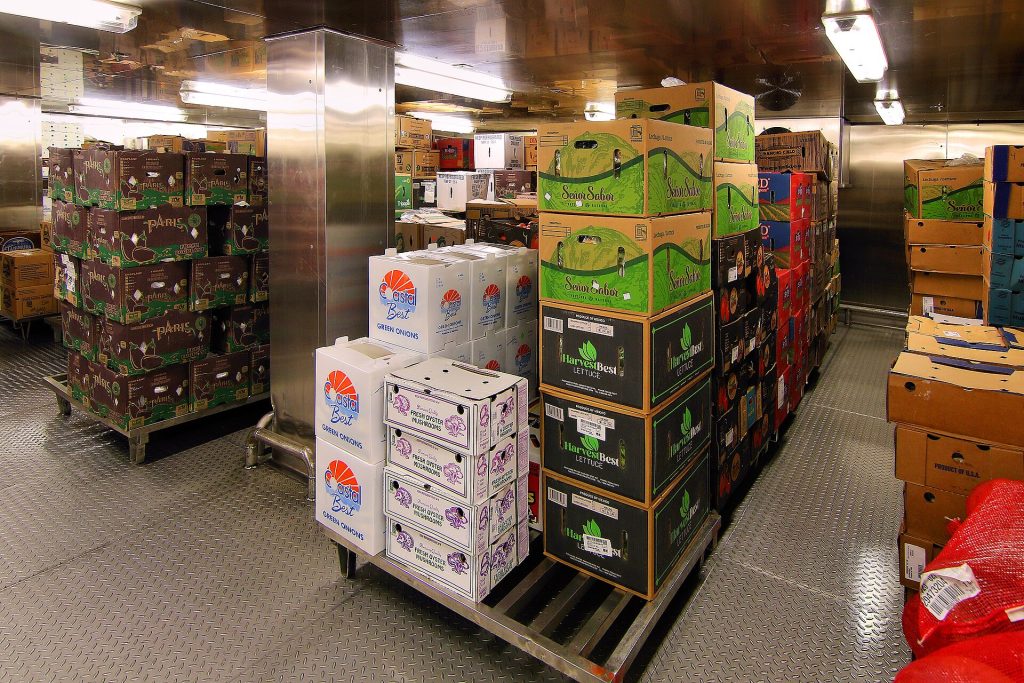
- Search every storage area. Walk-in, reach-ins, freezers, dry storage, the bar, the prep line and any off-site commissary or catering van.
- Match exactly. Compare lot codes, dates and pack sizes to the notice. If a code is unreadable, treat the item as suspect until the supplier confirms otherwise.
- Pull and segregate. Bag or box the product, label it “Recalled: do not use” with the date, and move it away from other food. Do not discard it until your supplier tells you whether it wants the product returned.
- Trace it into prepared food. Identify sauces, dressings, batches and portioned items made with the recalled product and pull those too.
- 86 affected dishes. Update the point-of-sale system, the menu boards and online ordering platforms.
- Clean and sanitise. For a pathogen recall, clean containers, shelves, cutting boards and equipment the product touched.
On that last point, the FDA’s consumer guidance recommends washing refrigerator walls and shelves, cutting boards and countertops, then sanitising them with a solution of one tablespoon of chlorine bleach to one gallon of hot water. Follow your local health code and your sanitiser’s label if they set a different concentration.
Quick check before you move on
- ☐ Every storage area searched and signed off by name.
- ☐ Recalled product labelled and segregated, not yet discarded.
- ☐ Prepared items made with it identified and pulled.
- ☐ Menu, POS and delivery apps updated.
Documentation and supplier credits
Your paperwork protects your money and your reputation. Suppliers generally issue credits for recalled product, but only when you can show what you had and what you did with it. An inspector asking about the recall will want the same information.
- ☐ Photograph the recalled product with its labels and lot codes visible before it leaves the building.
- ☐ Record quantities by unit and weight, the storage location where each was found, and the time you pulled it.
- ☐ Note any prepared food you discarded, with approximate quantities and the ingredient cost.
- ☐ Log the name of the supplier contact you spoke with and the disposal or return instructions they gave.
- ☐ Get the return, pickup or destruction confirmed in writing, and keep it with the invoice.
- ☐ Request the credit in writing within the supplier’s deadline, attaching the photos and counts.
Keep it all in one recall file. For more on receiving and storage routines, see our guide to restaurant food safety basics. If guests need to hear about a problem, our piece on handling guest complaints helps.
Talking to guests and staff
Most recalls never reach a guest, because the product is pulled before it is served. When a recalled item may already have been served, honesty and speed matter more than polish.
- Brief staff first. Tell servers which dishes are off, and give them one plain sentence to use if guests ask.
- Answer allergen questions directly. If the recall involves an undeclared allergen, guests who asked about that allergen deserve a clear answer.
- Contact affected guests where you can. Reservation and online order records may let you reach people who ordered the dish during the affected dates.
- Refer health questions to professionals. Staff should not give medical advice; point guests to their doctor or local health department.
FAQ
Does a restaurant have to follow a Class III recall?
Yes, treat it as mandatory in practice. FDA defines Class III as not likely to cause adverse health consequences, but the product is still violative and should not be served.
Which agency handles a recall of chicken or beef?
USDA’s Food Safety and Inspection Service. FDA covers all other foods except meat, poultry and processed egg products.
Should we throw recalled food away straight away?
Segregate and label it first. Many suppliers want the product returned or counted for credit, so wait for their instructions unless your health department directs otherwise.
Is every recall posted on the FDA website?
No. The FDA says not all recalls have press releases or are posted on its recalls page, which is why supplier notices matter.
Run a mock recall this month
Pick one high-risk product you buy every week, such as a bagged salad mix or a deli meat, and pretend it has just been recalled. Time how long it takes your team to find every case and every prep container that contains it, and whether the lot codes can be read. Fix whatever slowed you down, then repeat the drill with a different product next quarter. For more on the regulations and supply issues shaping kitchens, follow our industry news coverage, or see how other operators present their menus in our restaurant directory.
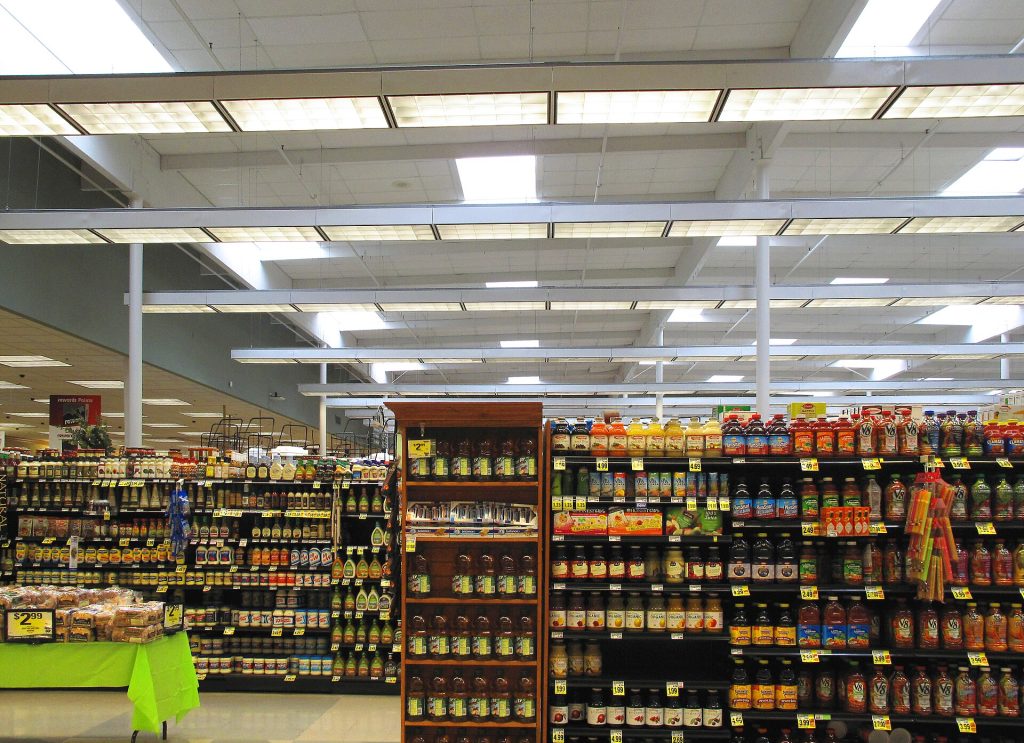
Featured photo: Shelves in a Ralphs grocery store by Downtowngal, BY-SA 3.0.