Holiday breads are enriched, often fruit-studded loaves that families bake or buy for one moment in the calendar. Germany has stollen, a buttery loaf dusted with sugar. Italy has panettone, a tall domed bread from Milan. Mexico cuts a ring-shaped rosca de reyes on 6 January, Norway slices cardamom-scented julekake, Chile serves pan de pascua, and Greece braids tsoureki for Easter.
What they share is richness: butter, eggs, sugar, dried or candied fruit and warm spices that were once expensive enough to save for feast days. What separates them is shape, texture and ritual, and in two cases, the law.
Below is a side-by-side comparison, then a closer look at where each bread comes from, what goes in it and when it is eaten.
Key takeaways
- Dresdner Stollen is an EU protected geographical indication, registered in 2010, and must be made in Dresden and 12 surrounding municipalities.
- Italian rules from 2005 require panettone to contain at least 16% butterfat, 4% egg yolk and 20% raisins and candied citrus peel, raised with a sourdough starter.
- Rosca de reyes is shared on 6 January in Mexico; whoever finds the hidden figurine hosts tamales on 2 February.
- Julekake relies on cardamom, raisins and candied peel; Chile’s pan de pascua is thought to descend from stollen and panettone.
- Tsoureki is a braided Greek Easter bread flavoured with mahlepi and mastiha, baked on Holy Thursday.
Holiday breads compared
Use this table as a quick reference. The breads fall roughly into three families: dense fruit loaves, tall airy sourdough breads, and soft braided or ring-shaped sweet breads.
| Bread | Origin | Key ingredients | Shape and texture | When eaten |
|---|---|---|---|---|
| Stollen | Dresden, Germany | Sultanas, candied orange and lemon peel, almonds, spices; brushed with butter and dusted with icing sugar | Hand-shaped loaf, dense and rich | Advent and Christmas |
| Panettone | Milan, Italy | Butter, eggs, sugar, raisins, candied citrus, sourdough starter | Tall dome, soft and airy | Christmas and New Year |
| Rosca de reyes | Mexico, from a European tradition | Sweet dough topped with crystallised fruit; hidden figurine | Ring or oval | 6 January, Three Kings Day |
| Pan de pascua | Chile | Butter, eggs, cinnamon, cloves, nutmeg, citrus zest, dried fruit, nuts, brandy or pisco | Dense, cake-like loaf | Christmas |
| Julekake | Norway | Cardamom, raisins, candied citrus peel | Round soft loaf, sliced | Christmas season |
| Tsoureki | Greece | Mahlepi, mastiha, anise, cardamom; often with red eggs | Braid, soft and stringy | Easter, baked on Holy Thursday |
Stollen and panettone: breads with rules
Stollen and panettone are the two most exported holiday breads in the world, and both are defined in writing. That gives buyers a benchmark that most home traditions lack.
Stollen
Stollen is older than most people expect. The European Commission records that the first written mention of stollen dates to 1474, on a bill at the hospital of St. Bartholomew in Dresden, when it was eaten as a fasting food. By 1530 it was being called Christstollen, tying it firmly to Christmas.
Since 2010, Dresdner Stollen, Dresdner Christstollen and Dresdner Weihnachtsstollen have been protected geographical indications. Only bakers in Dresden and 12 surrounding municipalities can use the names. The loaf is a yeast-raised wheat bread speckled with sultanas, candied orange and lemon peel, almonds and spices, made in fixed proportions. After baking it is brushed with butter and dusted with icing sugar.
The shape matters too. Dresden stollen is shaped by hand, with a knife run along the middle, and is never baked in a mould.
Stollen and panettone are not just recipes. They are definitions, and a label that uses the name has to live up to them.
Panettone
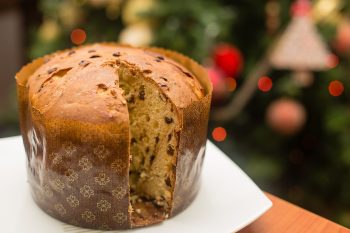
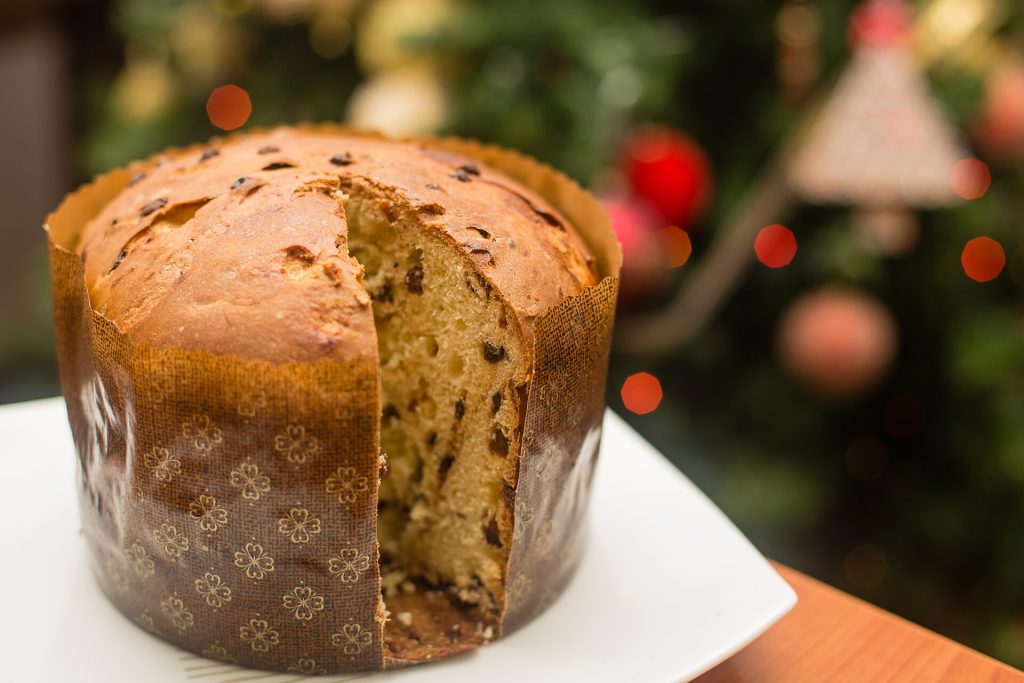
Britannica places panettone’s origins in Milan, possibly as far back as the 15th century under Duke Ludovico Sforza. The name means big bread, though the word did not appear in Italian dictionaries until 1839. Its famous dome is kept by hanging the bread upside down to cool, so the soft crumb does not collapse.
Italy set out what a panettone must contain in a decree dated 22 July 2005. The required ingredients are wheat flour, sugar, eggs or yolks giving at least 4% yolk, at least 16% butterfat, at least 20% raisins and candied citrus peel, a natural sourdough starter and salt. The decree also describes a round base, a cracked and characteristically cut top crust, and a soft crumb with elongated air holes.
Those rules explain the price gap on supermarket shelves. A slow sourdough fermentation and a high butter and fruit content cost more to make than a quick yeasted sweet bread.
Rosca de reyes and pan de pascua
Rosca de reyes
In Mexico, the Christmas season runs to 6 January, Día de Reyes, when families cut a rosca de reyes. According to La Crónica de Hoy, the ring shape stands for God’s eternal love and the end of one cycle and beginning of another, while the crystallised fruit on top represents the jewels in the Three Kings’ crowns.
Inside the dough is a small figurine of the baby Jesus. Whoever finds it in their slice takes on a debt: hosting the Día de la Candelaria on 2 February, with tamales and atole for everyone. The custom came from Europe, where France and Spain have their own kings’ cakes, and took root in Latin America during the colonial period.
Pan de pascua
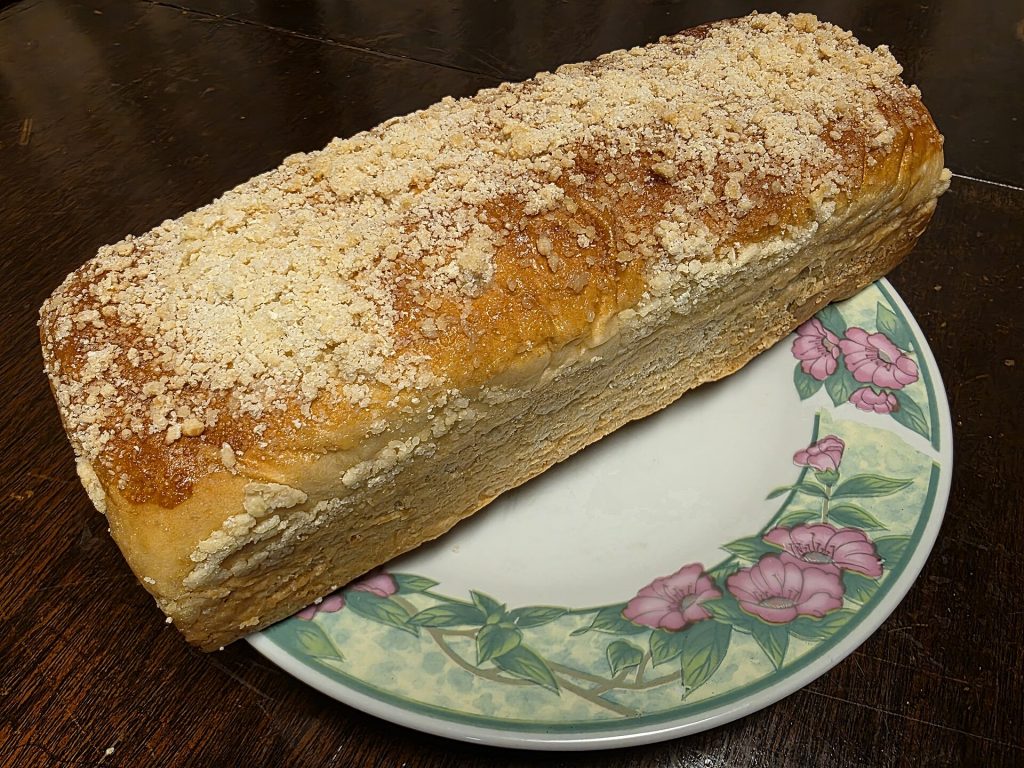
Chile’s Christmas loaf confuses English speakers because pascua means both Easter and Christmas in Spanish. Pan de pascua is a rich, dense cake-bread of butter, eggs and flour, spiced with cinnamon, cloves and nutmeg, flavoured with citrus zest and brandy or pisco, and packed with dried fruit and nuts. It is thought to have evolved from stollen and panettone.
It is traditionally served with cola de mono, a spiced alcoholic coffee drink that is another Chilean holiday custom. It also keeps well, up to about two weeks wrapped and refrigerated, so it is often made ahead.
Julekake and tsoureki: cardamom, mastiha and braids
Julekake
Julekake, also called julebrød, simply means Christmas cake in Norwegian. It is a soft yeasted loaf flavoured with cardamom and studded with raisins and candied citrus peel, known in Norway as sukat. The spices and citrus arrived in Norway through trade in the 17th century, and the white flour loaf gradually replaced earlier rye-based versions.
Julekake is kaffemat, food for coffee time. Norwegians slice it and spread it with butter, jam or brunost, the caramel-coloured brown cheese, and some eat it with cured meats.
Tsoureki
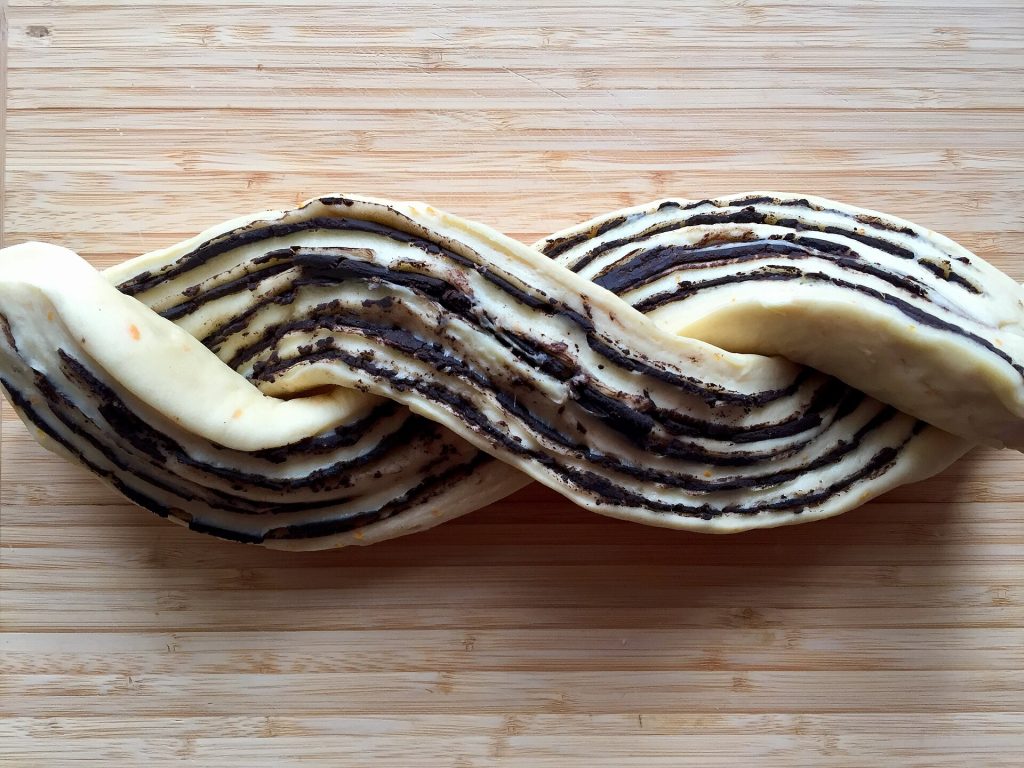
Tsoureki belongs to Easter rather than Christmas, but it sits squarely in the same family of enriched festive breads. As Neos Kosmos explains, Greek families traditionally bake it on Holy Thursday, flavouring the dough with mahlepi, mastiha, anise and cardamom and shaping it into braids after a long rise of eight to ten hours.
Tsoureki is often decorated with red-dyed eggs, which in Orthodox tradition symbolise life, rebirth and the triumph over death. The texture is soft and pulls apart in strands, closer to a brioche than to a fruit loaf.
For more stories like this, browse our food culture section and read how Christmas food traditions differ around the world.
FAQ
What is the difference between stollen and panettone?
Stollen is a dense, hand-shaped loaf packed with fruit and almonds and finished with butter and sugar. Panettone is a tall, airy sourdough bread that must contain at least 16% butterfat and 20% raisins and candied peel under Italian rules.
Can stollen be made outside Dresden?
Yes, but it cannot be sold as Dresdner Stollen. That name is protected and reserved for bakers in Dresden and 12 surrounding municipalities.
What happens if you find the figurine in a rosca de reyes?
You are expected to host the Día de la Candelaria on 2 February and provide tamales and atole.
Is tsoureki a Christmas bread?
No. Tsoureki is Greece’s Easter bread, traditionally baked on Holy Thursday, though it shares its rich, spiced dough with the Christmas breads in this guide.
Bringing a new bread to your table
Pick one bread you have never tried and serve it the way it is eaten at home: stollen in thin slices with coffee through Advent, panettone at the end of Christmas lunch, julekake with butter and brown cheese, pan de pascua with a glass of cola de mono, or a rosca on 6 January with a figurine hidden inside. When buying panettone or stollen, read the label for butter, fruit and a sourdough or Dresden origin. For more seasonal baking, see our holiday baking features.
Featured photo: Panettone – Nicolettone 2017 – IMG 7085 (31752542285) by N i c o l a from Fiumicino (Rome), Italy, BY 2.0.