 Living in a hot climate comes with unique challenges when it comes to roofing. Extreme heat, constant sun exposure, and seasonal storms can quickly wear down the wrong materials. That’s why choosing the right roofing system is one of the most important decisions for homeowners in these regions. The right choice helps keep your home cooler, lowers energy costs, and ensures long-term durability. The wrong choice, however, can lead to overheating, premature aging, and expensive replacements. Hot climates require roofing materials that reflect sunlight, resist thermal expansion, and withstand harsh UV rays. Energy efficiency is not just a luxury here — it’s a necessity that directly impacts your comfort and utility bills. With a wide variety of roofing materials available today, making the right decision can feel overwhelming. This guide offers practical tips to help you select roofing materials that thrive in hot weather conditions and protect your home for decades.

Factors to Consider in Hot Climates
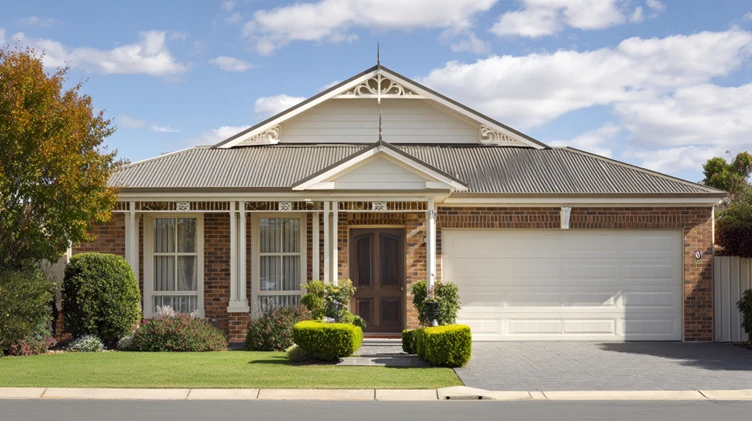
When selecting roofing materials for hot climates, there are several factors that must be carefully evaluated. Not all materials are designed to perform under prolonged heat and UV exposure. Reflectivity, insulation, weight, and maintenance requirements all play an important role in determining performance. You’ll also want to consider local building codes, as some regions have specific requirements for energy-efficient roofing. Ventilation is another key factor, as even the best materials can fail if the roof isn’t designed to release heat properly. Materials like asphalt shingles, while affordable, often deteriorate quickly under high heat. Meanwhile, metal roofing and tile systems tend to last longer and offer superior heat resistance. Understanding these factors upfront will help you choose wisely and avoid costly mistakes. Read more on this topic here: https://www.tiktok.com/@kompaq_roofing_adelaide .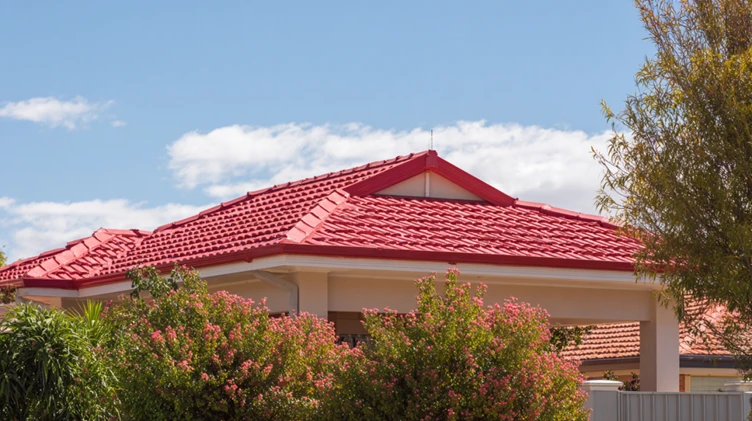
- Solar reflectivity and heat resistance.
- Ability to withstand UV exposure without fading.
- Durability under thermal expansion and contraction.
- Weight and compatibility with your home’s structure.
- Ventilation and insulation requirements.
- Local building codes and climate regulations.

Popular Roofing Materials for Hot Regions
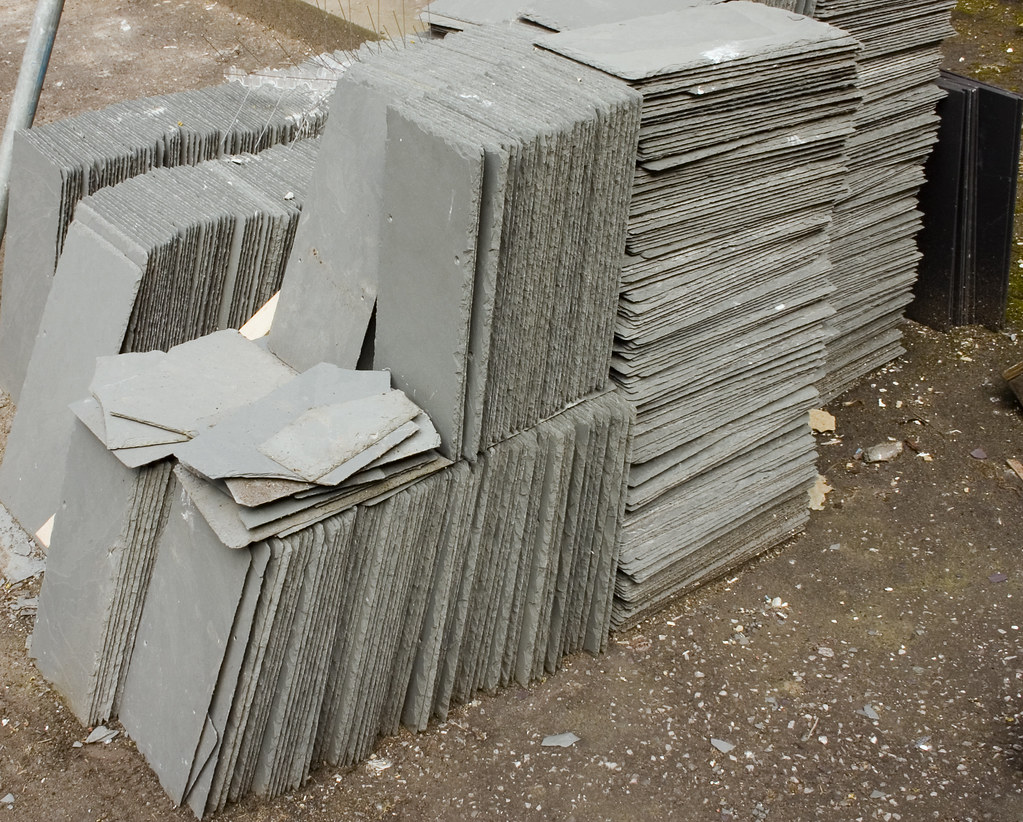
Different roofing materials perform very differently under the strain of hot climates. Metal roofing is a standout choice because of its reflective properties and long lifespan. Clay and concrete tiles are also excellent options, providing natural insulation and the ability to handle high temperatures. Slate offers unmatched durability, though it is heavy and more expensive. Modern solutions like cool roofs with reflective coatings can dramatically reduce heat absorption. While asphalt shingles are widely used, they are generally the least effective in extreme heat and may require frequent replacement. Table: Roofing Materials and Their Performance in Hot Climates| Material | Heat Resistance | Energy Efficiency | Average Lifespan | Notes |
| Metal Roofing | High | Excellent | 40–70 years | Reflective, lightweight, durable |
| Clay Tiles | Very High | Very Good | 50–100 years | Heavy but naturally insulating |
| Concrete Tiles | Very High | Good | 40–60 years | Strong, durable, requires structure support |
| Slate | Excellent | Very Good | 75–100+ years | Premium option, heavy and costly |
| Asphalt Shingles | Low | Poor | 15–20 years | Affordable but not heat-resistant |
| Cool Roof Coating | High | Excellent | Adds 10–15 years | Works with multiple base materials |

Energy Efficiency and Reflectivity
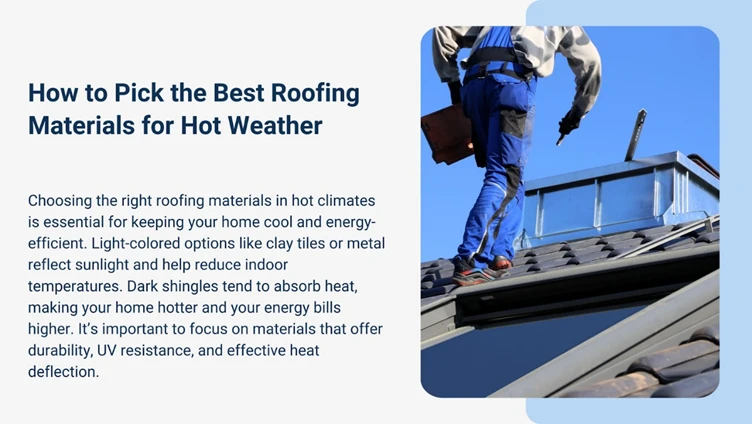
One of the biggest considerations for roofing in hot climates is energy efficiency. A roof that reflects more sunlight can dramatically reduce cooling costs during summer. Metal roofing with reflective coatings, clay tiles in lighter shades, and cool roof technologies are some of the most effective solutions. Light colours are generally better than dark ones for reflecting heat. Reflectivity reduces strain on HVAC systems, which in turn lowers energy bills and increases comfort. Energy-efficient roofing is not only good for your wallet but also environmentally friendly, reducing overall energy consumption. Homeowners who prioritise reflectivity can enjoy long-term savings and greater durability from their roofing system. Overlooking this factor often results in higher monthly costs and unnecessary wear on the roof structure. Discover expert recommendations here: https://medium.com/@Darren_Cormack .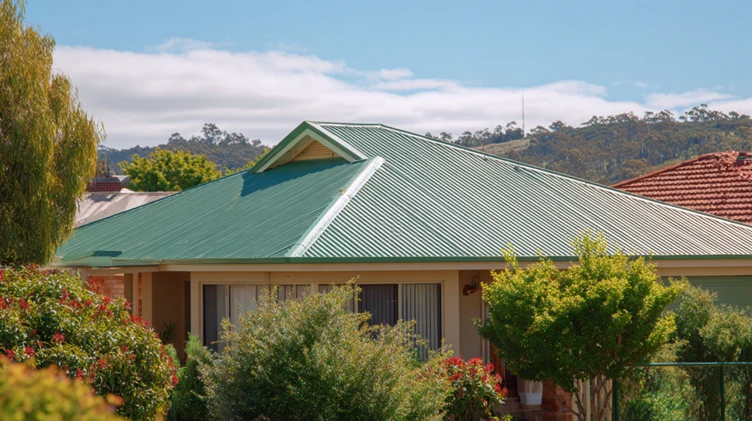

Maintenance Requirements of Hot Climate Roofs
All roofing systems require maintenance, but in hot climates, the demands can be more intense. Heat and UV radiation accelerate wear and tear, making inspections and upkeep critical. For example, sealants and coatings may break down faster under constant sun exposure, requiring more frequent reapplication. Clay and concrete tiles are durable but can crack due to thermal expansion. Metal roofs may require occasional repainting or resealing to maintain reflectivity. Proper gutter systems are also important to handle sudden storms that often accompany hot climates. Maintenance tips for hot climates:- Inspect sealants and coatings regularly.
- Replace cracked or broken tiles promptly.
- Repaint or reseal metal roofs as needed.
- Clean gutters to prevent stormwater buildup.
- Schedule annual professional inspections.
- Monitor insulation and ventilation systems.

Best Practices for Longevity
Ensuring a long-lasting roof in hot climates depends on more than the material itself. Professional installation is essential, since even the strongest roof will fail if fitted poorly. Proper ventilation and insulation help regulate indoor temperatures and reduce stress on the roof structure. Regular inspections allow early detection of cracks, worn sealants, or other small issues before they escalate. Reflective coatings can also improve energy efficiency and extend durability. With quality installation and consistent care, a roof can perform reliably for decades, even under intense sun and heat.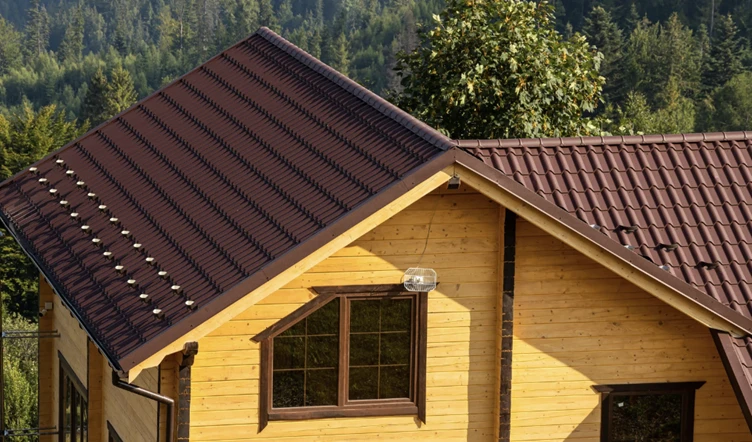 Choosing roofing materials for hot climates requires careful consideration of durability, energy efficiency, and long-term performance. Metal, clay, concrete, and slate stand out as the most effective options, with reflective coatings offering additional benefits. Energy efficiency and reflectivity are critical, as they directly impact both comfort and energy bills. Maintenance should never be overlooked, as even the best materials need care under extreme sun and heat. By following best practices like professional installation, proper ventilation, and regular inspections, homeowners can extend the life of their roofs dramatically.
Featured photo: Slate Roof Tiles – Brian Eno Speaker Flowers Sound Installation at Marlborough House by Dominic’s pics, BY 2.0.