Macadamia nuts have gained widespread attention in wellness conversations, and much of it stems from what science reveals about their value. While they’re often viewed as an indulgent snack, their health profile tells a more complex story. These nuts are rich in compounds that support heart function, brain health, and metabolic balance. Researchers continue to study the nutritional components of macadamias and their effects on the human body. Their role in balanced eating plans has expanded as more people prioritize clean and plant-forward ingredients. As nutrition trends evolve, understanding what these nuts actually provide becomes more important than ever.
Scientific research gives shape to what consumers often observe anecdotally: macadamias offer meaningful health contributions. Their naturally occurring fats, micronutrients, and low carbohydrate profile support various dietary approaches without compromising taste. While taste and texture drive popularity, the deeper story lies in what these nuts deliver at the molecular level. From aiding in inflammation control to supporting satiety, their benefits go beyond the surface. Nutrient density makes macadamias a standout, especially for people seeking sustainable wellness tools. This article dives into what the science says about their health impact and how they can fit into a variety of nutritional approaches.
Understanding the Nutrient Profile
Macadamia nuts offer a unique nutritional profile that differs significantly from other tree nuts. They contain one of the highest levels of monounsaturated fats among nuts, which are linked to reduced cardiovascular risk. This makes them a valuable addition for individuals focusing on heart-friendly food choices without sacrificing richness in flavor. The also reveals moderate protein and fiber levels, which support sustained energy and digestive health. Compared to almonds or cashews, macadamias have a higher fat content but a lower carbohydrate footprint. The macadamia nuts nutrition data shows how these nuts support this function. This balance plays an important role in low-carb or ketogenic dietary plans. Essential minerals like magnesium, manganese, and copper further contribute to their role in metabolic function.
Beyond macronutrients, macadamias also offer antioxidant compounds that support immune resilience and cell repair. Scientific analyses continue to highlight the presence of tocotrienols, a form of vitamin E with strong antioxidant effects. These compounds are being studied for their ability to protect brain cells from oxidative damage. Polyphenols and plant sterols found in macadamias may also influence inflammation, a key factor in chronic disease progression. As researchers look closely at the , they note promising links to reduced markers of oxidative stress. These findings add weight to the growing body of evidence suggesting macadamias can be more than just a snack. Instead, they emerge as a whole-food source of compounds that promote cellular health. This deeper value reinforces their place in functional diets.
Cardiovascular Health and Fat Composition
The link between diet and heart health is well established, and macadamias stand out in this area due to their lipid composition. Monounsaturated fats, which make up the majority of macadamia fat content, help reduce LDL cholesterol while supporting beneficial HDL levels. These fats are especially significant because they offer cardiovascular protection without introducing high levels of saturated or trans fats. According to peer-reviewed research, individuals who consume diets rich in monounsaturated fats may experience a reduction in overall heart disease risk. This aligns with findings from global nutrition bodies that advocate for replacing saturated fats with healthier lipid sources. The nutritional benefits of macadamia nuts show how these fats contribute to long-term heart function. This places them among functional foods that support heart health. When used strategically, they fit easily into heart-focused eating plans.
Importantly, the benefits go beyond fat composition alone. Macadamias are also low in omega-6 fatty acids, which, when consumed in excess, can contribute to inflammatory pathways in the body. By maintaining a lower omega-6 to omega-3 ratio, macadamias help restore dietary balance in individuals whose diets skew heavily toward processed seed oils. The presence of plant sterols adds to this heart-supportive potential by naturally blocking cholesterol absorption during digestion. Research continues to investigate how the unique fat ratio in these nuts influences endothelial function and arterial stiffness. These are both key indicators of long-term cardiovascular performance and resilience. For individuals looking to make meaningful changes to heart health through food, this benefit offers tangible support. Their simplicity and nutritional richness make them a practical ally in heart-smart living.
Metabolic and Cognitive Benefits
Scientific interest in how food affects cognitive performance and metabolic regulation has fueled deeper studies into nuts like macadamias. The combination of healthy fats, fiber, and trace minerals creates a slow-release energy profile that avoids the blood sugar spikes associated with many processed snacks. This stabilizing effect supports mental clarity and focus throughout the day. Nutrients like thiamine and magnesium found in macadamias also contribute to glucose metabolism and nerve signaling. This makes them an excellent choice for maintaining brain function under conditions of fatigue or stress. New research is exploring whether the antioxidant profile of these nuts may also have neuroprotective benefits. This includes potential support for aging populations dealing with memory loss. The nutritional content of macadamia nuts supports these functions in cognitive and metabolic health.
Metabolically, macadamias show promise for individuals managing weight, insulin resistance, or inflammatory conditions. The presence of good fats supports satiety, which reduces the likelihood of overeating between meals. Studies have observed that nut consumption in general, including macadamias, correlates with healthier body weight and reduced waist circumference. The fat content, rather than being detrimental, helps promote a feeling of fullness and better hormone regulation. Additionally, the unique nutrient density means that smaller portions still provide ample nourishment. While not a cure-all, the role of macadamias in managing appetite and glucose response is increasingly being validated by clinical data. These insights reinforce their usefulness in personalized nutrition strategies. Their relevance continues to grow as the science behind diet and disease deepens.
Environmental and Dietary Sustainability
Beyond the body, macadamias offer benefits that align with sustainability and long-term food system goals. As interest grows in plant-based diets that minimize environmental strain, nuts like macadamias offer both nutritional and ecological value. Their trees can grow in challenging climates and require fewer chemical inputs compared to many traditional crops. This makes them a viable solution for regions aiming to diversify agriculture without depleting natural resources. For consumers, the shift toward sustainable eating also brings questions about nutrient return per calorie. Macadamias perform well in this respect, delivering high-quality fats and essential nutrients in a compact form. Their naturally long shelf life also reduces waste in the supply chain. These features make them a strong option for climate-conscious meal plans.
At the dietary level, macadamias support the increasing preference for whole, minimally processed ingredients. They can serve as alternatives to highly refined snack items that often come with poor nutritional profiles. When added to salads, yogurts, or grain bowls, macadamias elevate both taste and nutrient content without compromising dietary goals. Their versatility also supports cultural food variations and fusion recipes that embrace global eating styles. For health practitioners and dietitians, this presents opportunities to recommend nutrient-dense foods that fit a wide range of preferences. As sustainability and wellness continue to converge, macadamias stand out as both functional and eco-conscious. Their contribution to clean eating is as practical as it is impactful. The more they are understood, the more valuable they appear in modern diets.
Wrap Up
Scientific research continues to shine a light on the potential of macadamia nuts in modern nutrition. From their heart-supportive fats to their role in cognitive performance, their nutrient makeup supports multiple aspects of health. The appeal of these nuts lies not just in flavor but in what the data reveals about their inner structure. When consumed as part of a balanced diet, macadamias offer nutritional value without relying on heavy processing or additives. Their unique profile puts them in a category of functional foods that deliver both enjoyment and utility. As health-conscious eating habits continue to grow, so does interest in nutrient-dense, versatile ingredients. Macadamias fit this mold well, offering both scientific credibility and everyday practicality. Their place in global food conversations is becoming more established with every new study.
What sets macadamias apart is their ability to support body and mind through a single, whole ingredient. They represent a food that reflects both ancient agricultural traditions and forward-thinking wellness strategies. For individuals focused on optimizing their intake, these nuts deliver value across multiple nutritional dimensions. From metabolic regulation to immune system support, the effects are both wide-ranging and well-supported. While not a silver bullet, they contribute meaningfully to goals around wellness, sustainability, and flavor. Their relevance continues to grow as new evidence emerges and dietary patterns evolve. With consistent scientific backing and practical application, macadamias deserve thoughtful attention in long-term health strategies. The story they tell is not one of hype but one of verified value.
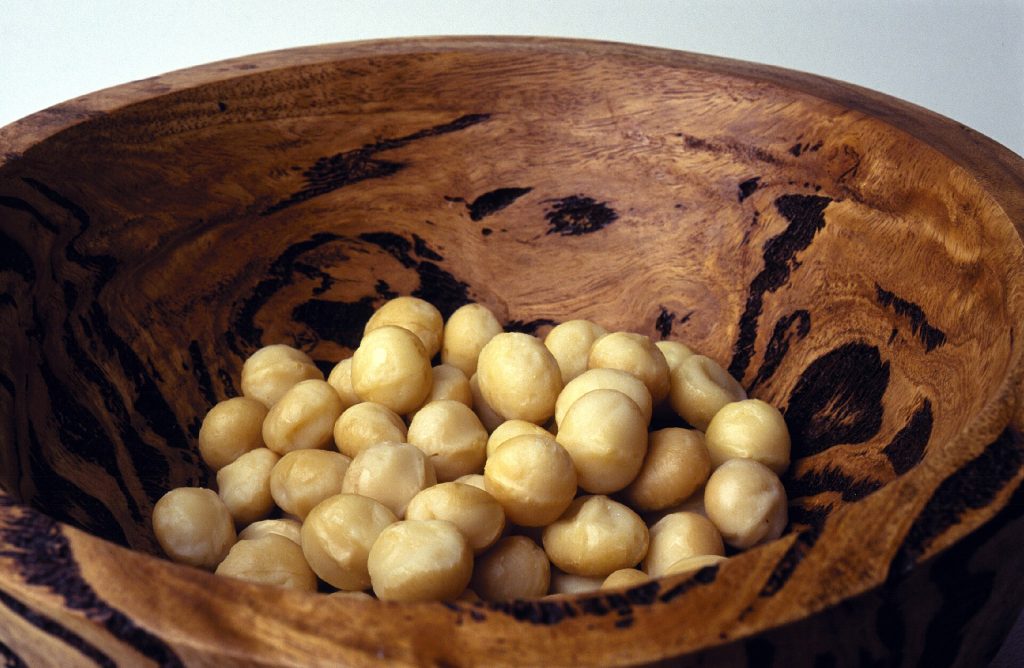
Featured photo: CSIRO ScienceImage 3083 CSIRO has identified the ideal macadamia preferred by consumers by Carl Davies, CSIRO, BY 3.0.