Every year, millions of kilograms of perfectly edible fresh produce never make it to grocery store shelves or dinner tables. The culprit isn't spoilage, disease, or poor handling. It's appearance. Fruit that's too small, vegetables with unusual shapes, and produce bearing minor blemishes get rejected at the farm gate simply because they don't meet the cosmetic standards set by major retailers. This invisible waste represents a significant gap between what we grow and what we actually eat, with ripple effects across farming communities, household budgets, and environmental sustainability.
The disconnect between cosmetic perfection and actual quality has become a defining feature of modern food systems. While consumers often assume that grocery store produce represents the full harvest, the reality is far more complex. Farmers face intense pressure to deliver uniform, unblemished products, and when they can't meet those exacting visual standards, the surplus gets left behind. Understanding this system, and the alternatives emerging to challenge it, reveals important truths about food waste, farmer economics, and what's actually possible when we rethink how fresh food reaches our homes. Some grocery services, like funky food, have begun working directly with growers to redirect this rejected produce, but the broader issue extends well beyond any single business model.
The Scale Of Cosmetic Rejection
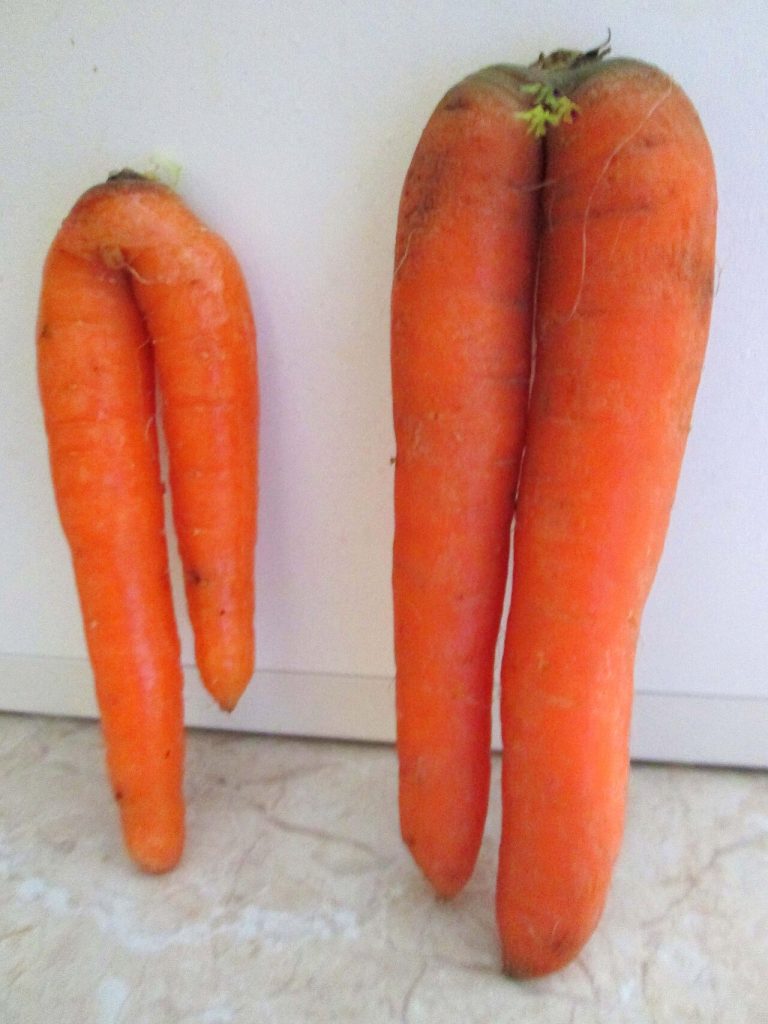
The numbers tell a stark story. In Australia, approximately 30 percent of fresh produce grown on farms never reaches the consumer market due to cosmetic rejection alone. That's not a rounding error or a minor inefficiency. It represents millions of kilograms of food that met every nutritional and safety standard but failed an arbitrary visual test. A carrot that's slightly bent, an apple with a small mark, or a potato with an unusual shape gets culled from the supply chain before it ever has a chance to nourish a family.
This rejection happens early in the supply chain, often at the farm itself. Growers know what major retailers expect, and they sort accordingly. The produce that doesn't meet those specifications gets left in the paddock, sold to secondary markets at drastically reduced prices, or disposed of entirely. For farmers operating on thin margins, this waste represents lost revenue and wasted resources. The water, fertilizer, labor, and land that went into growing that produce yielded nothing.
Why Cosmetic Standards Exist
The cosmetic standards that drive this waste didn't emerge by accident. They developed over decades as retail systems scaled up and supply chains became more complex. Uniform appearance made sorting, packing, and display easier. It simplified logistics. It created a visual language that consumers could read: bigger and more uniform meant fresher and higher quality, even though that connection was never scientifically grounded.
Supermarket buyers, working with limited information about where produce came from and how it was grown, used appearance as a proxy for quality. A perfectly round apple seemed safer than a slightly misshapen one, even though both were equally fresh and nutritious. This logic made sense in a system where traceability was limited and information flowed only one direction, from retailer to consumer. But it created perverse incentives throughout the supply chain. Farmers had to invest in sorting equipment and labor to meet these standards. They had to accept lower yields because a portion of their crop would inevitably fail the visual test.
The Environmental And Economic Toll
The waste of cosmetically rejected produce carries real environmental costs. All the water, pesticides, fertilizer, and labor that went into growing that food represents embedded resources. When produce gets left in the field or sent to landfill, those resources are wasted. The carbon footprint of growing food that never feeds anyone is pure loss.
For farmers, the economic impact is equally significant. They invest in seeds, soil amendments, water, and labor with no guarantee that their entire harvest will be marketable. When major retailers control the buying standards and can reject produce on cosmetic grounds, farmers have little negotiating power. They accept the terms or find no market for their crop. This dynamic has contributed to the consolidation of farming operations and the exit of smaller growers from the market.
Households also feel the impact, though it's less visible. The cosmetic standards that drive waste also drive up prices. When retailers can only sell a portion of what's grown, the cost per unit rises. Consumers pay more for produce, partly because they're subsidizing the waste embedded in the supply chain. The produce that does make it to shelves has to cover the losses from the produce that didn't.
Alternative Models And Direct Relationships
Some growers and retailers have begun experimenting with different approaches. By working directly with consumers or with retailers willing to accept cosmetically imperfect produce, farmers can capture more of their harvest and reduce waste. These models typically rely on transparency about where food comes from and why it looks the way it does. When consumers understand that a slightly misshapen carrot is just as nutritious and flavorful as a perfectly uniform one, they're often willing to buy it, especially if the price reflects the savings from reduced waste.
Direct relationships between growers and retailers also shift the power dynamic. Instead of farmers having to meet arbitrary cosmetic standards set by distant buyers, they can communicate directly about what's actually possible and what consumers actually value. This conversation often reveals that appearance matters far less than freshness, flavor, and fair pricing. Growers can focus their efforts on producing quality food rather than sorting out produce that fails a beauty pageant.
What Consumers Can Do
Individual choices matter in shifting these systems. When you buy produce that's not perfectly uniform, you're signaling to retailers and growers that cosmetic perfection isn't necessary. You're reducing the incentive to waste food on appearance alone. You're also often saving money, since cosmetically imperfect produce typically costs less than its uniform counterparts.
Beyond individual purchases, consumers can support policy efforts aimed at reducing food waste. Many countries have begun setting targets to halve food waste by specific dates, and these initiatives often include provisions to reduce cosmetic standards in retail. Supporting these policies, and the retailers and growers working to implement them, helps shift the broader system.
Conclusion
The cosmetic standards that govern fresh produce represent a choice, not an inevitability. They made sense in a particular historical moment when information was scarce and supply chains were opaque. But that moment has passed. We now have the tools and knowledge to build food systems that waste less and serve growers and consumers better. Challenging cosmetic standards won't solve food waste entirely, but it's a concrete place to start, with immediate benefits for farmers, households, and the environment.