Selecting the right furniture for a restaurant is a multidimensional decision involving design practicality cost and long term brand positioning. For restaurateurs who wish to create a timeless upscale atmosphere marble furniture often appears as an attractive choice. Its refined appearance and association with luxury make it a favorite in fine dining spaces upscale lounges and boutique cafes. The question remains is marble furniture worth the investment for restaurants and does it offer enough benefits to outweigh the challenges of maintenance and durability concerns.
Marble dining aesthetics and the growing trend in restaurants
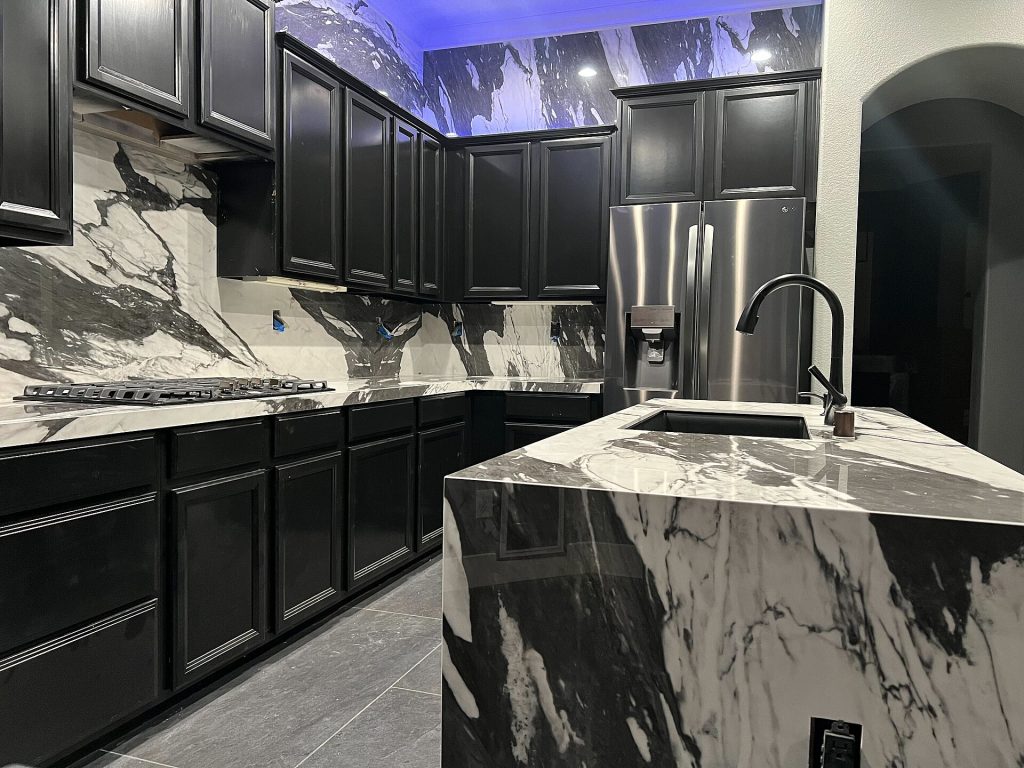
Marble has been admired for centuries in architecture sculpture and interior design. In restaurants its role is more than decorative. It helps define the personality of the space. A room furnished with marble feels polished elegant and thoughtfully curated. Many high end dining rooms and patisseries rely on marble to convey exclusivity and quality. The reflective glow under pendant lighting the smooth cool touch of the stone and the intricate natural veins all contribute to an environment that feels elevated and memorable.
Restaurants looking to reinforce a premium dining experience or attract customers who appreciate luxurious interiors often find marble particularly compelling. At this stage many establishments choose to invest in marble dining table and chairs sets to unify the space aesthetically while enhancing the overall customer experience. The presence of marble makes patrons feel they are in a refined setting which often translates into higher perceived value for food and service.
Why marble appeals to restaurant designers and owners
Apart from beauty marble brings functional advantages. It is naturally cool to the touch ideal for pastry presentation and cold seafood service. Its heat resistance prevents damage from hot serving dishes reducing the likelihood of warping or burn marks that often occur with less resilient materials. In restaurants where presentation and visual storytelling are vital marble quickly becomes part of the brand identity.
Another reason for marble’s popularity is its individuality. No two slabs are identical. This uniqueness allows restaurateurs to avoid a mass produced look giving the venue a sense of originality. Guests increasingly value immersive dining settings and marble helps create a visually striking backdrop that photographs well for social media. In a digital age where online aesthetic presence impacts footfall marble becomes an asset both offline and online.
Benefits that make marble furniture an attractive investment
Enhances the dining atmosphere
Marble creates an immediate sense of sophistication. It highlights plated meals more vividly and complements modern and classic interior design styles. Whether the restaurant features warm ambient lighting or clean bright minimalism marble adapts seamlessly.
Durable when maintained correctly
With the right sealing and care marble can last for decades. Restaurants that plan for long term branding will appreciate the enduring freshness of marble compared to wood finishes that fade or laminate surfaces that peel over time.
Heat tolerance suitable for active dining service
Serving dishes directly onto marble does not typically result in burns or heat stains meaning service staff have fewer limitations when setting tables quickly during busy periods.
Resists lingering odors and bacteria when sealed
Once properly sealed marble provides a smooth surface that does not absorb food smells or bacterial growth. Regular cleaning becomes easy requiring only non acidic products and gentle wiping between seatings.
Matches a variety of restaurant styles
Marble comes in bright whites deep blacks rich greens and soft greys. Whether a restaurant wants a vintage European atmosphere or a sleek contemporary identity marble adapts effectively.
Limitations and challenges to be aware of
While marble offers excellence in appearance it demands responsible ownership. Reconsidering its downsides helps restaurateurs make well informed decisions.
Prone to staining and etching
Marble is porous. Lemon wine tomato vinegar and countless acidic foods can temporarily or permanently stain the surface if spills are not addressed quickly. Frequent resealing becomes essential to preserve its clean look.
Can scratch if not handled with care
Hard though it is marble can still wear from heavy cutlery movement rough cleaning tools or dragging centerpieces across the table. Micro scratches accumulate slowly and become more visible over time.
Heavy and labor demanding
A marble tabletop is significantly heavier than wood or composite surfaces. Moving tables for events redesigns or cleaning requires more staff effort and sometimes additional support in flooring and furniture base structure.
Higher initial purchase cost
Although marble lasts long the upfront price is notably higher than laminate resin concrete or quartz. For newly established restaurants capital allocation must consider maintenance budgets and break even expectations.
Appearance inconsistency from piece to piece
Since marble is natural patterns vary. Replacing one tabletop years later may not perfectly match the rest. Some find this organic variance charming while others prefer uniformity.
When using marble makes the most business sense
Marble is most suitable for restaurants aiming to stand out visually and deliver a premium guest experience. Fine dining setups tasting menu venues champagne bars boutique patisseries and Mediterranean bistros often see marble as a return generating investment. Customers willingly pay more when the interior feels meticulous sophisticated and memorable. In these spaces marble reinforces value perception helps story driven branding and elevates plating presentation.
Restaurants operating with extremely high table turnover or layouts that change daily may find marble logistically challenging. In fast casual dining durability ease of handling and budget efficiency may outweigh the importance of luxury. For such concepts engineered stone or porcelain alternatives can offer similar aesthetics with reduced maintenance.
Considering cost value and long term ROI
The real question is not whether marble is costly but whether it earns back more than it consumes. Many restaurants report improved visual appeal increased customer photography greater online engagement and a rise in perceived meal value when marble is part of the interior. Over years a well maintained marble piece may cost less per year than repeatedly replacing cheaper alternatives.
However cost analysis must include sealing labor and restoration. Owners should prepare proactive maintenance budgets rather than responding reactively. A sustainable care model usually ensures marble remains profitable attractive and structurally sound.
Exploring alternatives for similar aesthetics
Those uncertain about full marble commitment can experiment with alternatives. Engineered quartz resembles marble with more stain resistance. Porcelain slabs offer durability with minimal upkeep and lighter weight. High grade laminates mimic marble visually at a fraction of the cost though they lack tactile charm and natural depth. Each alternative suits different business goals and operational demands.
Conclusion
Marble furniture offers unmatched visual elegance durability when maintained and a powerful contribution to restaurant atmosphere. It requires more care than synthetic materials and demands thoughtful investment yet in return it elevates perception enhances presentation and leaves guests with lasting impressions. For businesses seeking luxurious identity timeless beauty and long term interior stability marble stands as a compelling choice.
When considering a purchase restaurateurs may explore trusted furniture suppliers for the right fit in material finish and support. Those interested in bringing refined stone aesthetics into their space should consider marble dining table and chairs sets from Furniture in Fashion where quality craftsmanship comfort and visual sophistication come together.