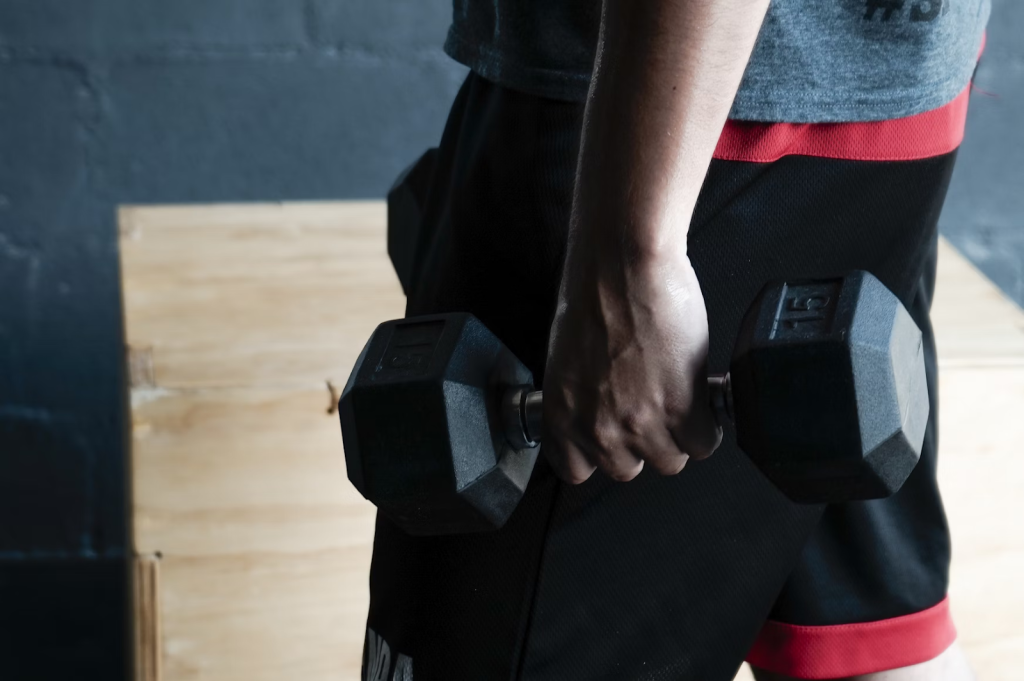
Dumbbell Workouts 101: Beginner to Pro Full Body Exercises
Dumbbell workouts offer a versatile and effective way to enhance fitness at any level. From beginners to seasoned pros, anyone can benefit from incorporating dumbbells into their exercise routines. Dumbbell workouts can not only help build strength and muscle but also improve overall health. According to the Mayo Clinic, weight training supports bone health, helps manage weight, and enhances quality of life.
In this article, we’ll guide you through dumbbell exercises starting from simple moves up to more advanced routines. The core idea is to equip you with a full body workout routine using only dumbbells, no matter your current fitness level. Whether you aim to tone muscles, increase strength, or improve endurance, there’s a dumbbell workout suited for you.
Starting Simple: Beginner Friendly Dumbbell Exercises
For those new to dumbbells, starting with easy exercises can build a solid foundation:
- Bicep Curls: Targeting the upper arm, this exercise involves holding a dumbbell in each hand and curling the weights towards your shoulders.
- Shoulder Press: Standing or sitting, press a weight in each hand from shoulder height above your head.
- Dumbbell Squats: Hold weights by your sides, squat down, keeping your back straight and knees over your toes.
- Tricep Extensions: With a dumbbell in both hands over your head, lower the weight behind you, then return to the starting position.
To avoid injury, focus on proper form:
- Keep your back straight.
- Engage your core.
- Move through a full range of motion without rushing.
Creating a simple total body dumbbell workout can be done by combining these basic exercises. A suggestion for beginners would be:
- 10 Bicep Curls
- 10 Shoulder Presses
- 10 Dumbbell Squats
- 10 Tricep Extensions
Repeat this circuit 2-3 times, resting as needed. This routine can help establish a basic fitness level and provide a stepping stone to more complex workouts.
Crafting a 20 Minute Full Body Dumbbell Workout
Creating an efficient total body dumbbell workout is a great way to target all major muscle groups in a short time. This 20-minute plan is perfect for those who want to maximize their exercise routine in a limited timeframe.
20-Minute Workout Plan
Here’s a structured workout to get you started:
- Warm-Up (3 Minutes)
- Jumping jacks
- Arm circles
- Bodyweight squats
- Workout Routine (15 Minutes)
- Bent-Over Rows: 3 sets of 10 reps
- Lunges: 3 sets of 10 reps each leg
- Consider variations on previously introduced exercises for added intensity.
- Cool Down (2 Minutes)
- Stretching exercises focusing on all major muscle groups
Tips for Optimizing Your Workout
- Maintain Proper Form: Ensure each movement is controlled, which helps prevent injury and improve results.
- Time Management: Keep rest periods between sets short, about 30 seconds, to stay within the 20-minute frame.
- Gradual Progression: Increase weights over time to keep challenging your muscles.
Visualization of the Plan
You can create a simple chart or write down your plan on a whiteboard to help visualize your progress and stay motivated.
Dumbbell Circuit Workout: Taking it to the Next Level
For those ready to increase intensity, a dumbbell circuit workout is an effective way to boost both endurance and strength. This style of training involves performing exercises one after another with little rest in between.
Benefits of a Dumbbell Circuit Workout
- Enhanced Cardio: Keeps your heart rate up.
- Efficient Calorie Burn: Leads to significant calorie expenditure.
- Increased Endurance: Sustains performance over time.
Circuit training can burn calories efficiently while improving cardiovascular fitness.
Sample Circuit Workout Outline
- Deadlifts: 10 reps
- Push-Ups with Dumbbells: 10 reps
- Dumbbell Swings: 10 reps
- Renegade Rows: 10 reps
- Dumbbell Russian Twists: 15 reps per side
Repeat this circuit 3 times with a 30-second rest between circuits.
Differentiation from Other Styles
Unlike traditional isolated workouts, circuits combine strength and cardio, making them effective for time-constrained schedules.
Calorie Burn and Muscle Tone
This form of workout not only assists in toning muscles but also accelerates calorie burn. Consistent practice can result in improved body composition and endurance.
By focusing on these routines, you can tailor your exercise regime to fit your lifestyle while steadily advancing your fitness journey with full body dumbbell workouts.
Full Body Dumbbell Workout for Muscle Gain
Building muscle involves strategic workouts and smart training techniques. Dumbbells are great tools for muscle gain because they help engage various muscle groups while allowing you to manage weights easily. Let’s explore how you can maximize muscle growth with a full body dumbbell workout.
Key Exercises for Muscle Growth
To gain muscle effectively, incorporate these essential exercises into your routine:
- Bent-over Dumbbell Row: Works on your back and biceps.
- Dumbbell Deadlift: Strengthens lower back, glutes, and hamstrings.
- Reference earlier sections for additional foundational exercises.
Importance of Weight Progression and Recovery
- Weight Progression: Gradually increase the weight you’re lifting to challenge your muscles and promote growth.
- Recovery: Essential for muscle repair and growth. Consider rest days, adequate sleep, and nutrition as part of your routine.
Introduction to Periodization
Periodization involves cycling through different phases of training intensity and volume to prevent plateaus and promote continuous improvement. Here’s a simple way to get started:
- Phase 1: High reps with low weight. Focus on endurance.
- Phase 2: Moderate reps with medium weight. Mix of strength and size.
- Phase 3: Low reps with high weight. Focused on maximum strength.
Advanced Dumbbell Training for Strength and Fitness
Once you’ve got the basics down, it’s time to push your limits with advanced dumbbell training techniques. These methods not only enhance muscle strength but also improve overall fitness levels.
Techniques for Advanced Training
- Supersets: Perform two exercises back-to-back without resting, boosting workout intensity and saving time.
- Drop Sets: Start with a heavier weight and progressively drop to lighter weights as you fatigue. This maximizes muscle fatigue and growth.
Methods to Break Through Plateaus
Breaking through a plateau can be challenging, but these methods can help:
- Change Up Your Routine: Alter exercises, order, or rep ranges every few weeks.
- Increase Weight: Periodically test heavier weights to shock muscles.
- Focus on Form: Ensure perfect technique to fully engage muscles.
Personalizing Your Workouts
Customize your workouts to align with your personal goals:
- Identify Weak Areas: Focus extra attention on muscles or movements you find challenging.
- Keep It Fun: Try new exercises or styles to keep your workouts exciting and engaging.
By integrating these advanced dumbbell techniques and steadily increasing demands on your body, you’ll not only improve muscle gain and strength but redefine your fitness standards.
Designing a Full Body Workout Routine: Dumbbells Only
Creating a workout plan that relies solely on dumbbells offers both flexibility and convenience. You can easily adjust your routine to fit your home or gym setting. Here’s how to get started with a dumbbell-only workout routine:
- Identify Your Goals:
- Determine if you’re focusing on muscle gain, endurance, or weight loss.
- Tailor your exercises to meet these goals.
- Basic Equipment Setup:
- Invest in a set of adjustable dumbbells to vary weight without needing multiple pairs.
- Ensure you have a suitable workout space, ideally with a mirror to check your form.
- Key Exercises for a Full Body Workout:
- Upper Body:
- Bicep curls
- Shoulder press
- Tricep extensions
- Lower Body:
- Squats
- Lunges
- Deadlifts
- Core:
- Russian twists
- Dumbbell side bends
- Planks with dumbbell row
- Upper Body:
- Structuring Your Routine:
- Perform 3-4 sets of 8-12 repetitions for each exercise.
- Include a variety of exercises targeting major muscle groups each session.
- Progression and Variation:
- Gradually increase weights as you build strength.
- Change up exercises every few weeks to keep the routine challenging and engaging.
Dumbbells offer a versatile and effective way to target your whole body. Whether you aim to tighten, tone, or build muscle, this accessible equipment can help you reach your goals.
Bringing it All Together for a Balanced Fitness Regimen
Integrating dumbbell workouts into your fitness routine can provide robust benefits. Here’s how to balance your regimen for optimal health:
- Weekly Workout Plan:
- Monday: Upper body dumbbell exercises
- Wednesday: Lower body dumbbell exercises
- Friday: Full body dumbbell workout
- Saturday: Dumbbell circuit workout for endurance
- Balance with Other Activities:
- Include cardio exercises like jogging or cycling on non-dumbbell days.
- Consider yoga or stretching routines to enhance flexibility.
- Diet and Lifestyle:
- Pair your workouts with a balanced diet rich in protein and nutrients.
- Stay hydrated and practice mindful eating for overall well-being.
Consistency is key to success. Sticking to a regular schedule helps build muscle and burn calories efficiently. For more guidelines on a balanced fitness routine, refer to the National Institute on Aging.
By incorporating these strategies into your week, you can create a well-rounded and sustainable workout routine that keeps you motivated and progressing. Start small, be consistent, and adjust as needed to suit your changing fitness journey.